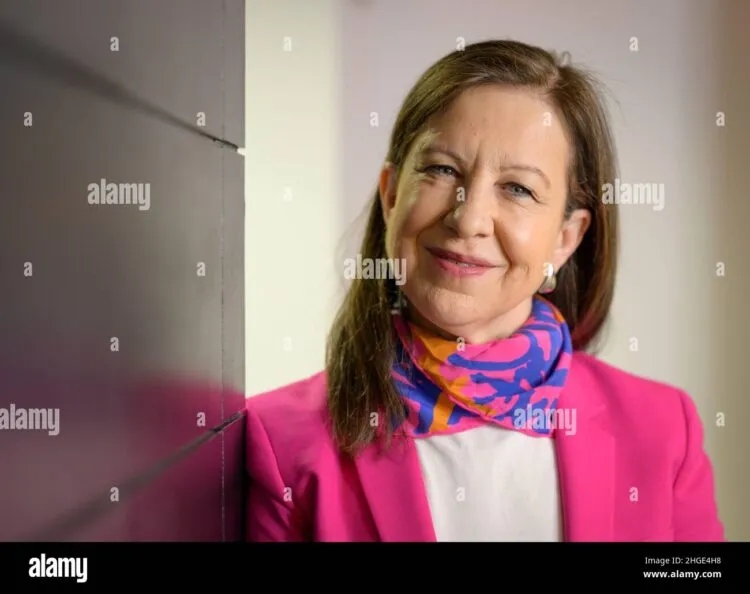
“Iran does not want a ceasefire, it will not negotiate a ceasefire, even though President Trump, according to Israeli media, is now looking for a one month ceasefire,” stated Lyse Doucet, reflecting on the complexities of international negotiations. Doucet, a prominent journalist, is now in the spotlight for a different reason: she has been shortlisted for the Women’s Prize for Nonfiction 2026.
The Women’s Prize for Nonfiction, which was launched in 2024, aims to address the gender gap in nonfiction publishing, a gap that has been starkly highlighted by research showing that only 35.5% of winners across major UK nonfiction awards over the past decade were women. This year, the prize boasts a £30,000 award, which will be awarded to the winner on June 11, 2026.
Doucet’s book, titled The Finest Hotel in Kabul, intricately traces Afghanistan’s modern history through the lens of a single hotel, offering readers a unique perspective on the country’s tumultuous past. Her inclusion on the shortlist is a testament to her impactful storytelling and commitment to shedding light on significant global issues.
The shortlist features six talented authors, including renowned figures such as Arundhati Roy, Judith Mackrell, Jane Rogoyska, Ece Temelkuran, and Daisy Fancourt. Each author brings their unique voice and perspective, contributing to a rich tapestry of nonfiction literature.
Last year’s winner was Rachel Clarke, who received acclaim for her work The Story of a Heart. The inaugural award was won by Naomi Klein for her book Doppelganger, setting a high standard for future contenders.
As the literary community eagerly anticipates the announcement of the winner, the Women’s Prize for Nonfiction continues to play a crucial role in promoting female voices in a field where men dominate, particularly in categories like business and management, where they account for 93% of authors.
In recent years, there has been a notable increase in women’s representation in popular science, rising from 11% in 2023 to 22% in 2025. However, the journey towards equality in nonfiction publishing remains ongoing.
With the announcement date approaching, many are hopeful that Doucet’s powerful narrative will resonate with the judges and the broader audience, further amplifying the importance of women’s contributions to nonfiction literature.
As the literary world gears up for this exciting event, the spotlight remains on Doucet and her fellow nominees, each of whom embodies the spirit of resilience and creativity in their writing.