Introduction
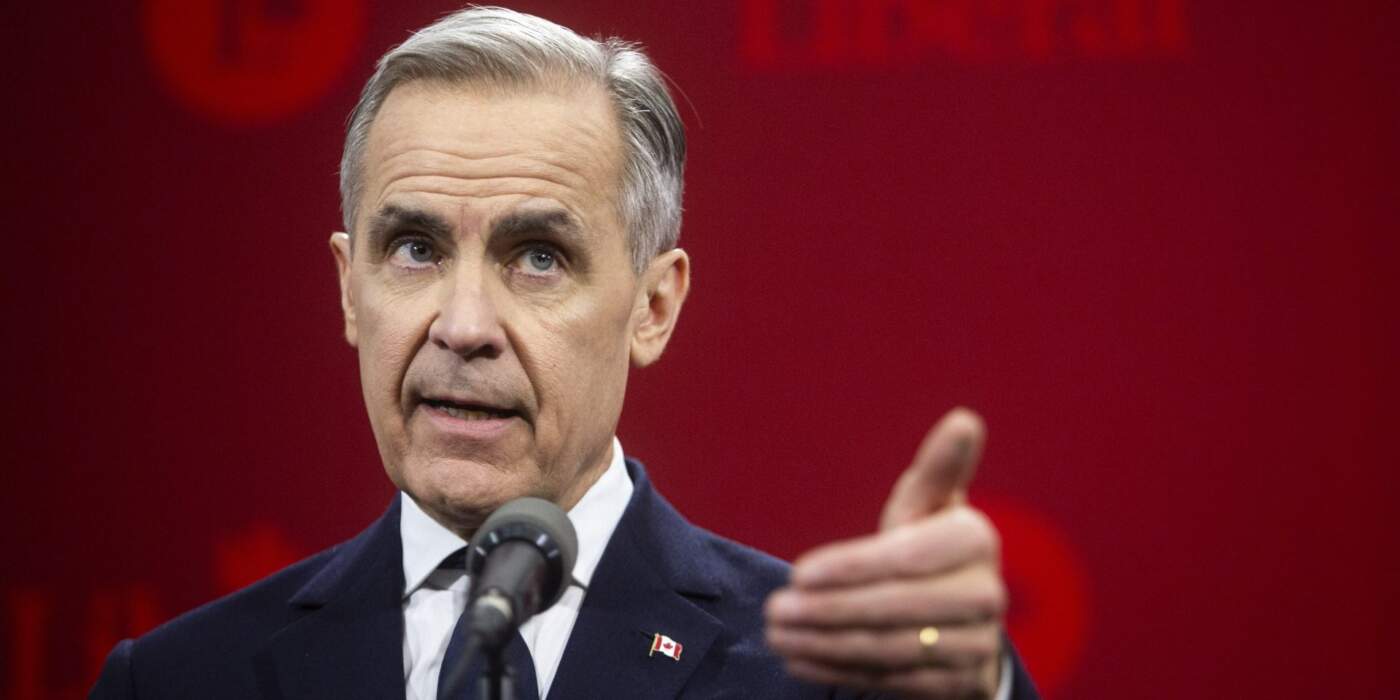
Mark Carney, the former Governor of the Bank of England and a prominent figure in the financial sector, has recently garnered attention for his efforts in intertwining climate change with global finance. As the realisation of the financial sector’s role in tackling environmental issues gains momentum, Carney’s advocacy serves as a critical turning point in this dialogue. His insights not only highlight the risks posed by climate change but also present opportunities for sustainable investment strategies.
Background and Career
Born in Fort Smith, Canada, in 1965, Carney has had a distinguished career in economics and finance. He served as the Governor of the Bank of England from 2013 to 2020, during which he was praised for guiding the UK through the post-Brexit financial upheaval and the COVID-19 pandemic. Beyond his duties in central banking, Carney has held various leadership roles in international finance, including serving as the Chair of the Financial Stability Board.
Climate Action Initiatives
Mark Carney’s influence extends into climate advocacy, where he has been a vocal proponent for integrating climate-related risks into mainstream financial practices. His work as the UN Special Envoy for Climate Action and Finance has been pivotal in promoting the Task Force on Climate-related Financial Disclosures (TCFD). This initiative encourages companies to disclose climate-related financial information, empowering investors with the data needed to make informed decisions.
In 2021, Carney co-founded the Glasgow Financial Alliance for Net Zero (GFANZ), a coalition aimed at accelerating the transition to a net-zero economy. This initiative unites various financial institutions worldwide, committing them to align their investment strategies with climate science and supportive policies.
Recent Developments
As of late 2023, Carney continues to be a key player in ongoing discussions about sustainable finance. In recent statements, he has highlighted the importance of transitioning to green energy and the potential of financial markets to drive this transformation. His ongoing collaboration with global leaders and finance ministers aims to ensure that climate considerations remain at the forefront of economic recovery plans post-pandemic.
Conclusion
Mark Carney’s influence on global finance and climate change initiatives cannot be overstated. As financial leaders increasingly acknowledge the importance of sustainable practices, Carney’s efforts are likely to shape the future of investment and economic policies. His work points to an emerging consensus that climate change and finance are inextricably linked, making him a crucial figure in both sectors moving forward.