Introduction
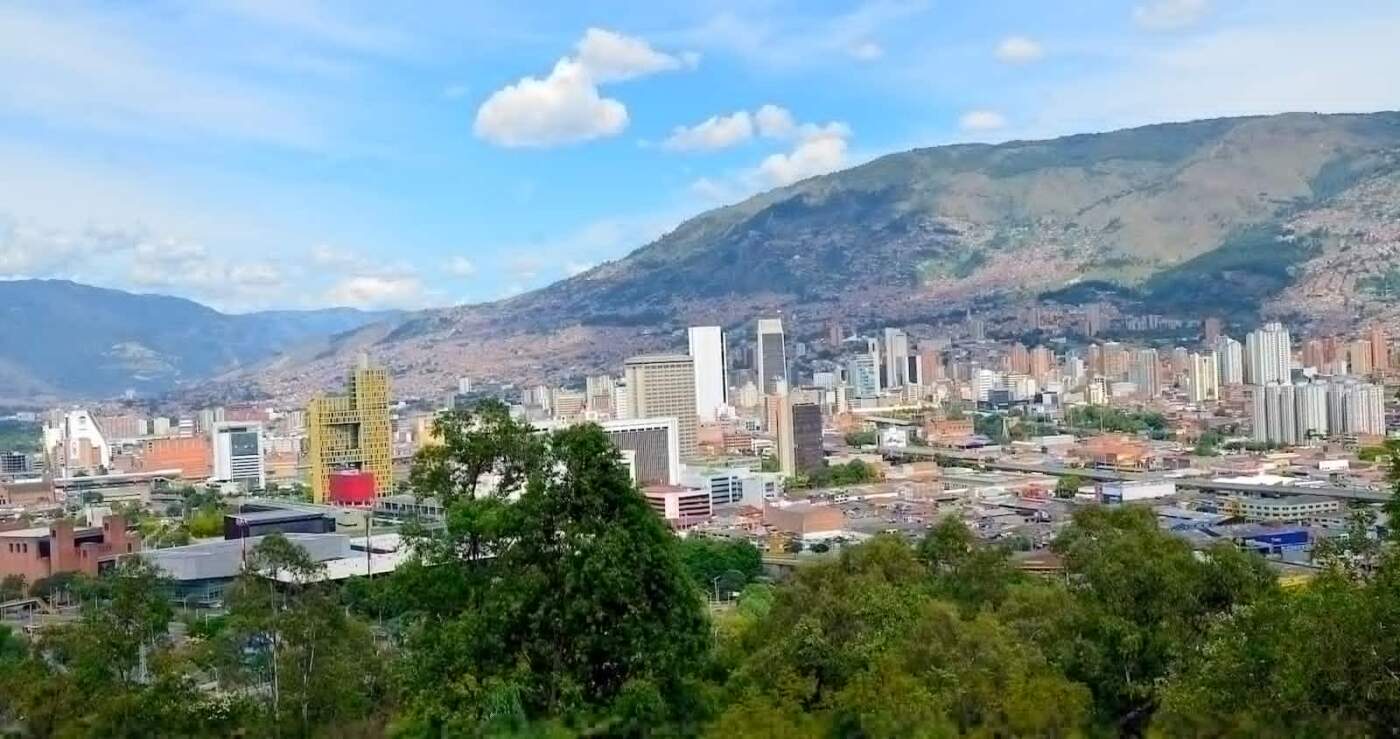
Medellin, the second-largest city in Colombia, has undergone a remarkable transformation over the past few decades. Once infamous for its connection to drug cartels and violence, Medellin has reinvented itself as a hub of innovation, technology, and culture. Today, it is celebrated for its advancements in urban planning and social inclusion, making it a significant point of interest not just for tourists, but also for global observers looking at urban development.
Recent Developments
According to a report from the World Economic Forum, Medellin has emerged as a model city for innovation and investment. In 2022, the city was awarded the title of “Innovative City of the Year” by the Global Innovation Index for its efforts in enhancing public transport, urban parks, and access to technology. One of the most notable projects is the Medellin Metrocable, a cable car system that connects low-income neighborhoods to the city centre, significantly improving mobility and access to services.
The city has also focused on education and technology, leading to the establishment of numerous start-ups in the technology sector. Initiatives such as the Medellin Innovation District serve as a breeding ground for new ideas and solutions, encouraging local and international collaboration.
Culture and Community
While Medellin has made strides in innovation, its rich culture remains intact. The city is known for its vibrant arts scene, festivals, and historical sites. The annual Festival of the Flowers, for example, attracts tourists from around the world and showcases the region’s floral diversity and cultural heritage. Moreover, Medellin’s commitment to improving local quality of life has fostered a sense of community resilience, with citizens participating in various social initiatives aimed at inclusivity.
Conclusion
Medellin’s journey from a city marred by violence to a beacon of hope and innovation is a powerful narrative of resilience and transformation. As it continues to grow and evolve, Medellin serves as an inspirational case study for other cities globally facing similar challenges. Its emphasis on urban innovation, cultural heritage, and community engagement signifies a promising future for both residents and visitors alike, making it a must-visit destination in South America.