Who is involved
The attack on Pearl Harbor, which occurred on December 7, 1941, was a critical inflection point in history. Before this tragic event, the United States was largely focused on its internal affairs and maintaining a stance of isolationism. The expectation was that the nation would remain uninvolved in the escalating conflicts abroad, particularly in Europe and Asia. However, this perception was shattered in a matter of hours as the Japanese Imperial Navy launched a surprise attack on the U.S. naval base in Hawaii.
The immediate aftermath of the attack was devastating. A total of 1,177 sailors from the USS Arizona were killed, marking one of the deadliest days in American military history. The USS Arizona and the USS Oklahoma were the only battleships that did not return to service after being sunk or severely damaged during the assault. This shocking loss of life and military capability forced the United States to reevaluate its position and ultimately led to its entry into World War II.
The direct effects of the Pearl Harbor attack were profound. Families across the nation mourned the loss of their loved ones, and the attack galvanized public opinion in favor of entering the war. It united a previously divided nation, as Americans rallied together to support the war effort. The Pearl Harbor Memorial now stands as a solemn reminder of the lives lost and the sacrifices made during that tumultuous time.
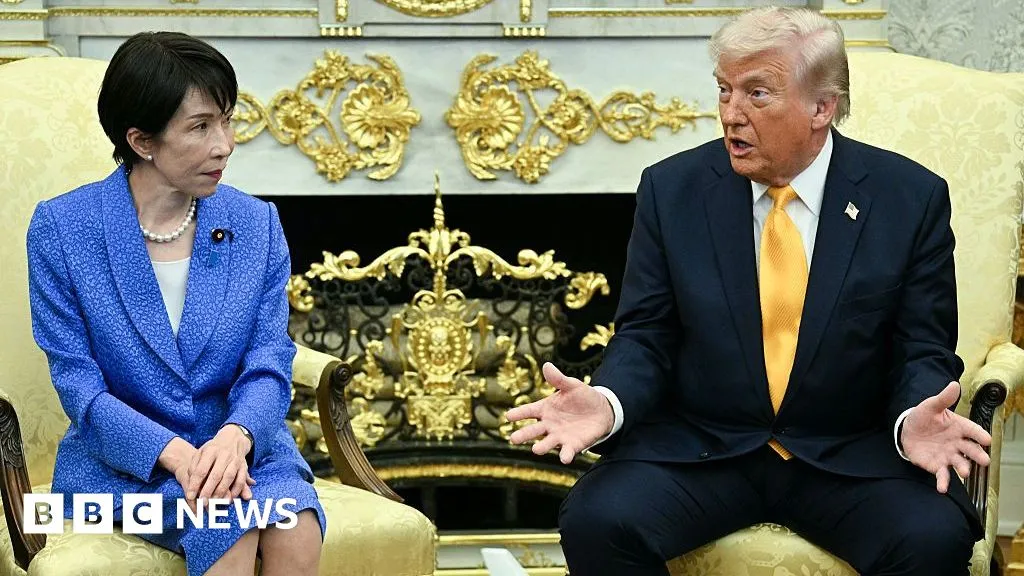
In recent years, the legacy of Pearl Harbor has been brought back into the spotlight, particularly through comments made by public figures. Notably, former President Donald Trump made a controversial joke about Pearl Harbor during a meeting with Japanese Prime Minister Sanae Takaichi. He quipped, “Who knows better about surprises than Japan?” This comment, along with another where he asked, “Why didn’t you tell me about Pearl Harbor?” left many feeling uncomfortable and questioning the appropriateness of such remarks.
These comments have sparked a renewed discussion about the sensitivity surrounding Pearl Harbor and its historical significance. Experts emphasize the importance of remembering the attack not just as a military event, but as a moment that reshaped international relations and the course of history. The attack on Pearl Harbor serves as a reminder of the fragility of peace and the devastating consequences of conflict.
As we reflect on the events of December 7, 1941, it is essential to honor the memory of those who lost their lives. The Pearl Harbor Memorial stands as a testament to their sacrifice and a place for future generations to learn about the past. The USS Arizona remains trapped at the bottom of Pearl Harbor, a poignant symbol of the cost of war and the importance of peace.
Details remain unconfirmed regarding the broader implications of Trump’s comments, but they have certainly reignited conversations about how we discuss and remember pivotal moments in history. The legacy of Pearl Harbor continues to resonate, reminding us of the lessons learned and the importance of fostering understanding and respect among nations.