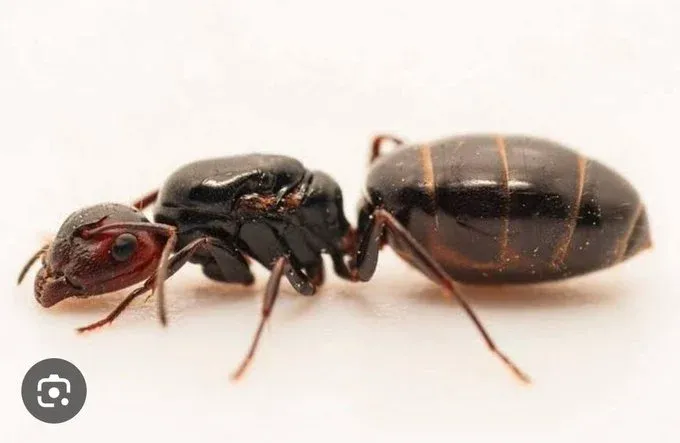
Recent Developments in Ant Smuggling
In a significant incident at Jomo Kenyatta International Airport in Nairobi, a Chinese national named Zhang Kequn was arrested for attempting to smuggle live queen ants into the country. This event marks a continuation of a troubling trend in Kenya, where the smuggling of insects has been on the rise, drawing attention from wildlife authorities and conservationists alike.
On the day of his arrest, officials discovered a total of 2,238 live garden ants in Zhang’s luggage. Among these, 1,948 were meticulously packed in test tubes, while 300 were concealed within tissue paper. This discovery not only highlights the lengths to which smugglers will go but also raises concerns about the ecological impact of such trafficking.
Previous Cases and Legal Implications
The Kenya Wildlife Service (KWS) is currently investigating Zhang’s case as part of a broader probe into insect smuggling operations. This comes on the heels of a previous case from last year, where four men were sentenced to one year in prison or fined $7,700 for attempting to smuggle thousands of live queen ants. The KWS described that ruling as a ‘landmark case’, indicating a shift in legal focus towards the protection of lesser-known species.
Interestingly, the ants seized last year were identified as giant African harvester ants, which are ecologically important. The average value of each giant African harvester ant is estimated at £175 ($233), making them a lucrative target for smugglers. This financial incentive is driving the illicit trade, as enthusiasts in Europe and Asia are willing to pay high prices for these insects.
Broader Trends in Biopiracy
Smuggling ants has become a lucrative but illicit business, reflecting a broader trend in biopiracy that is shifting focus from iconic large mammals to smaller, yet ecologically critical species. The KWS has noted that this case signals a landmark shift in biopiracy trends, underscoring the need for increased vigilance and enforcement against such activities.
Moreover, on the same day as Zhang’s arrest, a similar shipment of ants from Kenya was seized in Bangkok, further illustrating the international dimensions of this issue. The growing trend of insect trafficking poses significant risks not only to biodiversity but also to the ecological balance within affected regions.
Current State and Future Implications
As of now, the investigation into Zhang’s activities continues, with authorities working to understand the full extent of the smuggling network involved. Zhang had previously evaded arrest in Kenya last year and had a ‘stop order’ on his passport, indicating a persistent effort to engage in this illegal trade.
The implications of these events are profound for those involved, as the smuggling of queen ants and other insects threatens ecological integrity and highlights the challenges faced by wildlife conservation efforts in Kenya. The ongoing investigations by the KWS are crucial in addressing this emerging threat and ensuring that appropriate legal measures are enforced to protect these vital species.