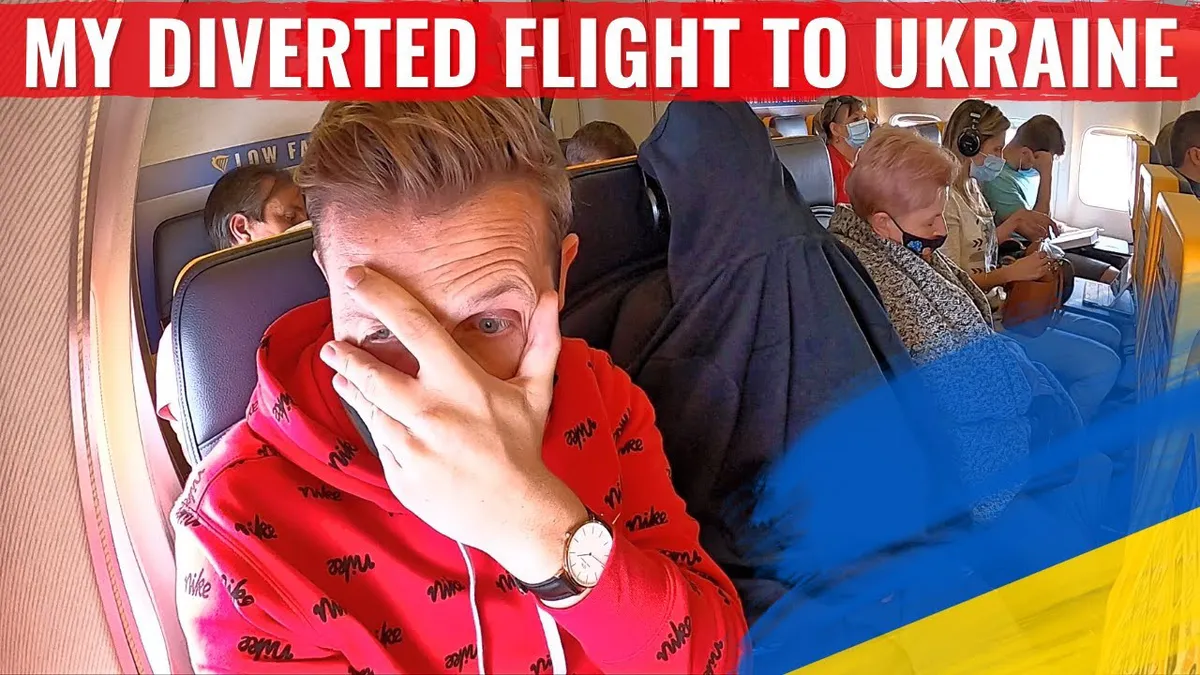
A Ryanair flight from Bristol to Dublin was significantly impacted by Storm Amy, which brought severe weather conditions, including winds reaching 100 mph. As a result, the flight was diverted to Manchester after two failed landing attempts.
Initial Expectations
Passengers aboard the flight initially expected to reach their destination without issue. However, after being diverted, they were left on the plane for six hours without any complimentary refreshments, leading to growing frustration.
Change in Circumstances
Upon landing in Manchester, Ryanair recorded the flight as having landed in Dublin, which led to the airline denying refund claims for hotel and transport costs incurred by the passengers. One passenger reported a total cost of £900 for the trip, along with an additional £240 for hotel and transport expenses.
Ryanair’s Response
Ryanair initially refused to issue a refund, insisting that the passenger had missed a ‘phantom flight.’ This claim was met with skepticism, as the airline’s customer service directed the passenger to an online portal that did not list the flight as cancelled or delayed.
Decisive Moment
The situation took a turn when a newspaper intervened, prompting Ryanair to reassess the case. Following this intervention, the airline admitted that the passenger had been ‘incorrectly advised’ and subsequently processed a refund.
Impact on Passengers
The experience left passengers feeling abandoned, as one individual recounted, “We were told Ryanair staff would organise taxis and hotels, but no crew disembarked with us, and the terminal was deserted.” This highlights the lack of support provided during the disruption.
Expert Perspectives
Experts have criticized Ryanair’s handling of the situation. A source noted, “Claiming a passenger missed a flight that was chronologically impossible to board constitutes a failure of professional diligence.” This raises questions about the airline’s customer service protocols.
The incident underscores the challenges faced by passengers during flight disruptions and the importance of clear communication from airlines. As the travel industry continues to navigate such situations, the expectations for customer service remain high.