The numbers
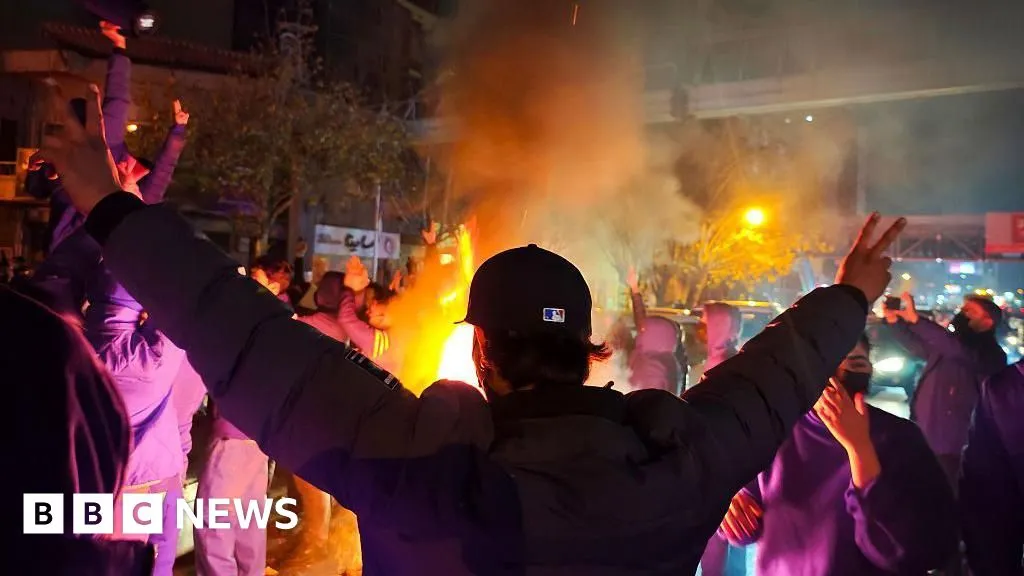
On March 19, 2026, Saleh Mohammadi was executed by hanging at the young age of 19, following accusations of killing two police officers during protests. His execution is part of a broader crackdown on dissent in Iran, raising serious concerns among human rights activists and international organizations.
Mohammadi, who had previously won a bronze medal in wrestling at the Saytiyev International Cup in September 2024, was arrested during protests in January 2026. His trial, which many observers have described as lacking due process, resulted in a death sentence handed down by the Iranian judiciary on February 4, 2026. The trial reportedly involved forced confessions, leading to widespread condemnation from human rights advocates.
Alongside Mohammadi, two other men, Saeed Davoudi and Mehdi Ghasemi, were executed, bringing the total number of young protesters executed in this wave of state-sanctioned violence to three. The Iranian regime has claimed that these individuals acted on behalf of foreign powers, specifically Israel and the United States, as part of their justification for the executions.
Nima Far, a prominent human rights advocate, stated, “His execution was a blatant political murder, part of the Islamic Republic’s pattern of targeting athletes to crush dissent and terrorize society.” This sentiment echoes the concerns of many who see Mohammadi’s death as a chilling message to other young activists in Iran.
The Center for Human Rights in Iran (CHRI) condemned the executions, labeling them as “state-sanctioned murder designed to terrorize the population and send a clear message: any act of dissent will be met with death.” This reflects a growing fear among citizens that expressing dissenting views could lead to severe repercussions.
Internationally, the U.S. State Department expressed deep concern over the execution of Mohammadi, emphasizing the troubling nature of the Iranian regime’s actions against its youth. Alizreza Nader, a noted commentator, remarked, “I feel very bad for him and his family. There should be a boycott of the regime when it comes to international sport.” This call for action highlights the potential for global solidarity against the Iranian government’s oppressive measures.
As the international community grapples with the implications of Mohammadi’s execution, observers are left to ponder the future of dissent in Iran. The ongoing crackdown raises questions about the safety of activists and the potential for further violence against those who dare to speak out. Details remain unconfirmed regarding the regime’s next steps in its campaign against dissent, but the chilling precedent set by the execution of Saleh Mohammadi will likely resonate for years to come.