Reaction from the field
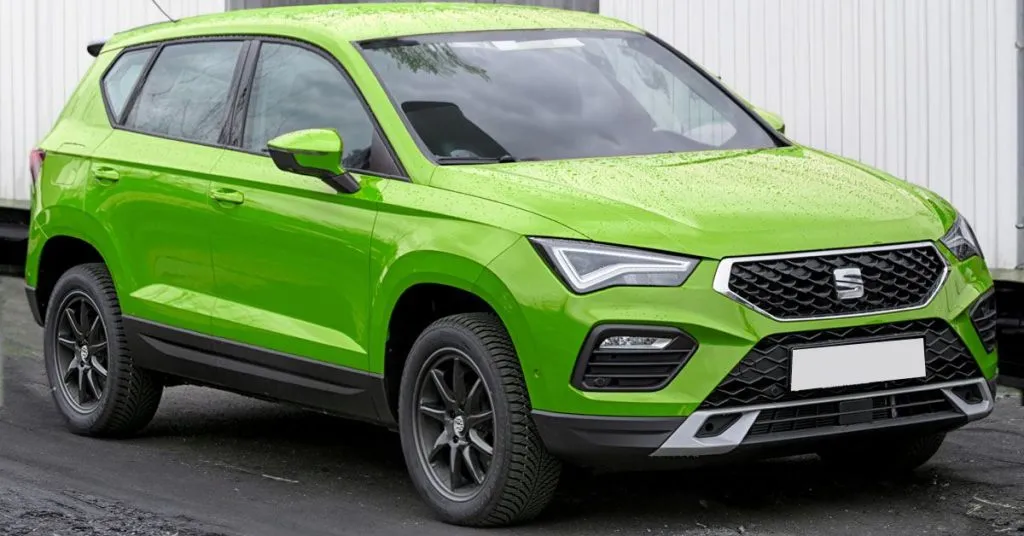
The recent decision to withdraw the Seat Ateca and Cupra Ateca from the UK market after 10 and 8 years on sale respectively has left many in the automotive community reflecting on the impact of this change. The Ateca, which first graced UK roads in 2016, has played a pivotal role in establishing Seat’s presence in the competitive SUV segment. However, as the automotive landscape evolves, so too must the strategies of the brands that navigate it.
According to a spokesperson for Seat and Cupra, “The move reflects local market decisions and ensures alignment with Seat’s evolving range.” This shift is not merely a withdrawal; it is a strategic repositioning as Seat aims to redefine itself as an affordable mobility brand. The Ateca remains available in other markets, including Spain, albeit in a single trim level, highlighting the brand’s focus on streamlining its offerings.
The Cupra Ateca, introduced two years later in 2018, has also seen its role diminished as newer models like the Formentor and Terramar step into the spotlight. Both models are now only available from remaining stock in the UK, marking a significant transition for the brand. The decision to phase out these models underscores the relentless pace of change in the automotive world, where consumer preferences and technological advancements dictate the direction of brands.
As part of its future strategy, Seat is committed to renewing its entire range with electrified options by 2028. Mild-hybrid versions of the Ibiza and Arona are expected to debut in 2027, while a full-hybrid powertrain for the Seat Leon is anticipated in 2028. However, the Ateca is notably absent from this electrification roadmap, indicating a clear shift away from traditional combustion engines toward more sustainable alternatives.
While the Seat Ateca has been a beloved choice for many drivers, its exit from the UK market reflects broader trends in consumer demand and environmental considerations. The automotive industry is undergoing a transformation, and brands must adapt to remain relevant. The spokesperson for Seat and Cupra emphasized, “The entire Seat range will be renewed with electrified options by 2028,” signaling a commitment to innovation and sustainability.
As the community processes this change, many are left wondering what the future holds for the Seat brand in the UK. The spokesperson noted, “Further updates regarding the Ateca will be communicated in due course,” leaving room for speculation about potential returns or new offerings. For now, the focus remains on the transition to electrification and the introduction of new models that align with changing consumer preferences.
The Seat Ateca’s departure is not simply a loss; it is a reflection of the automotive industry’s dynamic nature. As brands like Seat pivot towards electrification and sustainability, the community can expect to see new innovations that cater to the evolving needs of drivers. While the Ateca may no longer be a part of the UK market, its legacy will undoubtedly influence the future direction of the brand.