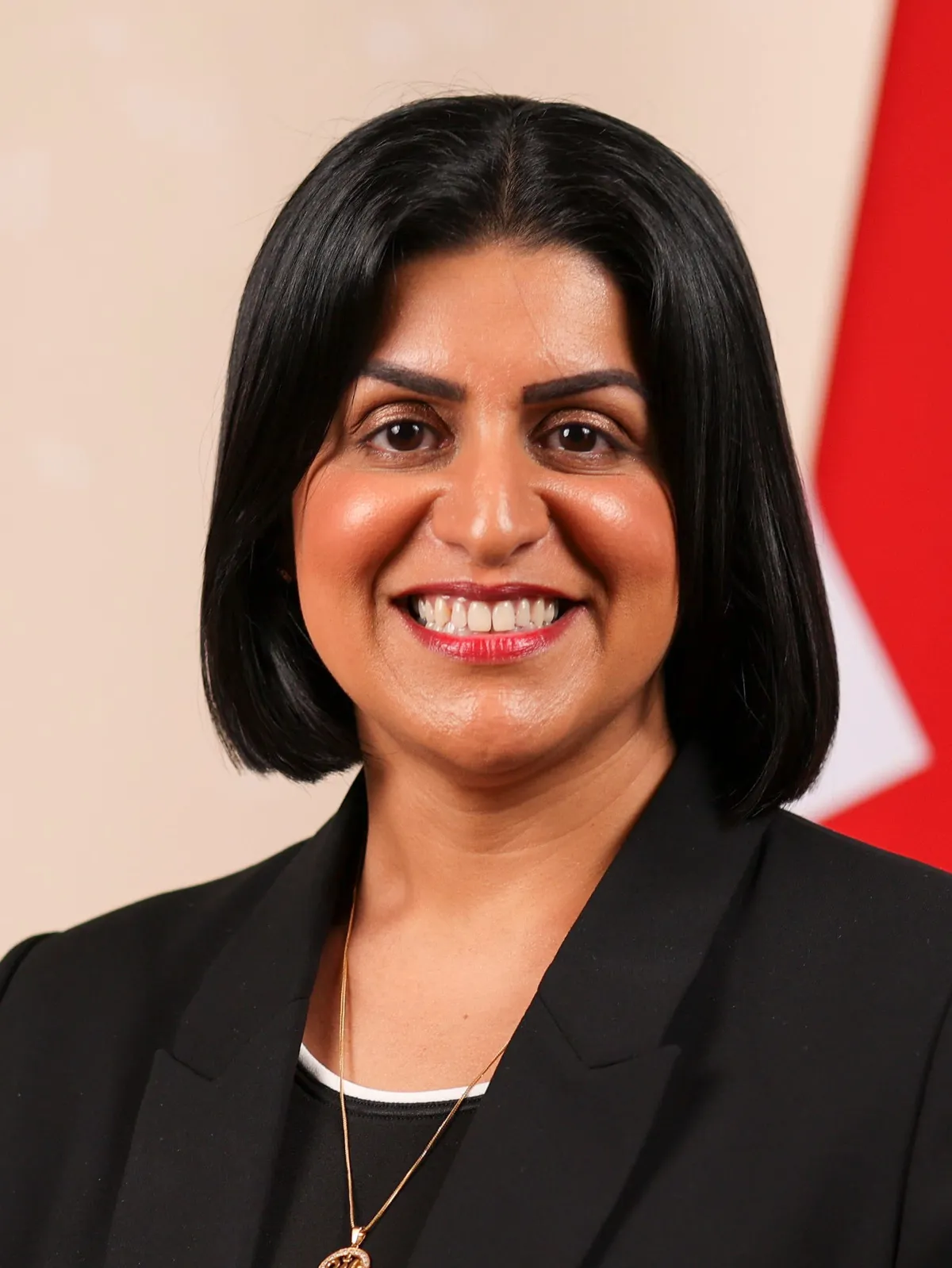
The Home Secretary has declared that refugee status will now be temporary and will be reviewed every 30 months for all adults seeking asylum starting today.
Protection will continue for all refugees who remain at risk in their home nations. Those from countries that are now deemed safe and no longer in need of protection will be required to return. This adjustment comes after Home Secretary Shabana Mahmood’s recent trip to Denmark, which has implemented a similar strategy in the past few years. The Danish have managed to decrease asylum applications by over 90% within a decade.
New Refugee Status Policy
In November of last year, the government unveiled its most extensive reforms aimed at addressing illegal migration since World War II, declaring that refugee status would now be temporary. Concurrently, refugees wishing to remain in the UK and possessing skills will have the opportunity to apply for new work and study visas, facilitating their integration and contributions to society.
Britain is set to introduce new, secure, and lawful pathways, with community sponsorship becoming standard practice. This comprehensive strategy aims to transform the asylum process in Britain, steering it away from perilous, unlawful crossings and reducing the influx of applications from individuals lacking valid asylum claims.
As a result of these modifications, adults and children traveling with them who are seeking asylum from this point forward will be granted a protection period of 30 months, if approved. During a review at the 30-month mark, refugees who still require safety will have their protection extended, whereas those from countries now considered secure will be anticipated to return to their homeland.
Temporary Protection Review
Previously, the system allowed refugees to receive five years of protection and the ability to reunite with their families, followed by a nearly automatic, cost-free path to permanent residency, along with ongoing access to benefits and housing. This was one of the most accommodating arrangements for refugees in any Western European nation. The Home Secretary contends that this has created an incentive, leading to a significant increase in asylum applications in Britain, including many thousands of fraudulent claims annually, while other countries in the continent see a decline.
Under the updated system, refugees will be required to either renew their stay permission or seek a legal visa option. The family reunion process is currently on hold as new regulations are being formulated to align financial and integration criteria with those expected of British citizens.
The overhaul of Britain’s asylum proposal, influenced by Denmark’s achievements, aims to motivate individuals seeking to establish a life in the UK to pursue legal pathways while diminishing the factors that contribute to unlawful migration. A significant shift towards a new ‘core protection’ framework will be initiated with a modification to the Immigration Rules later this week.
Impact of Danish Model
Shabana Mahmood, the Home Secretary, remarked:
This nation will consistently offer refuge to individuals escaping conflict and oppression. However, we must also ensure that our asylum framework does not create incentives that encourage perilous journeys across the globe, thereby empowering and financing human traffickers. Authentic refugees will find safety in the UK, but we must also diminish the motivations that attract individuals here in such large numbers, including those who do not have a valid claim for protection. Therefore, once a refugee’s homeland is secure and they can return, they will be expected to do so. This represents a strict yet just strategy, reinstating order and control over Britain’s borders while safeguarding those fleeing conflict and tyranny.
As Denmark reduced asylum applications to their lowest level in 40 years, the UK experienced a 13% rise in claims in the year leading up to September 2025. Meanwhile, the EU as a whole saw a 22% decline in applications during the same timeframe.
Government’s Migration Reforms
Since 2015, Denmark has implemented temporary refugee status (which is reviewed every two years), imposed limitations on family reunification, and extended the period for permanent residency to 8 years, contingent upon stringent integration and employment criteria.
According to reforms introduced last autumn, refugees in the UK will need to wait two decades for settlement unless they transition to a legal visa pathway, as part of the ‘core protection’ framework.
New pathways will be established as an alternative to ‘core protection’ for individuals who can engage through employment or education, promoting the use of the legal migration framework and enhancing social cohesion. Additional information regarding these will be detailed in upcoming changes to the Immigration Rules.
Unaccompanied minors will still be granted a five-year residency, as the government evaluates the suitable long-term strategy for this demographic. More information will be provided in the future.
Effective measures for assessing age are already implemented to eliminate fraudulent claims from migrants asserting they are minors. The AI technology currently under evaluation will enhance this process even further.