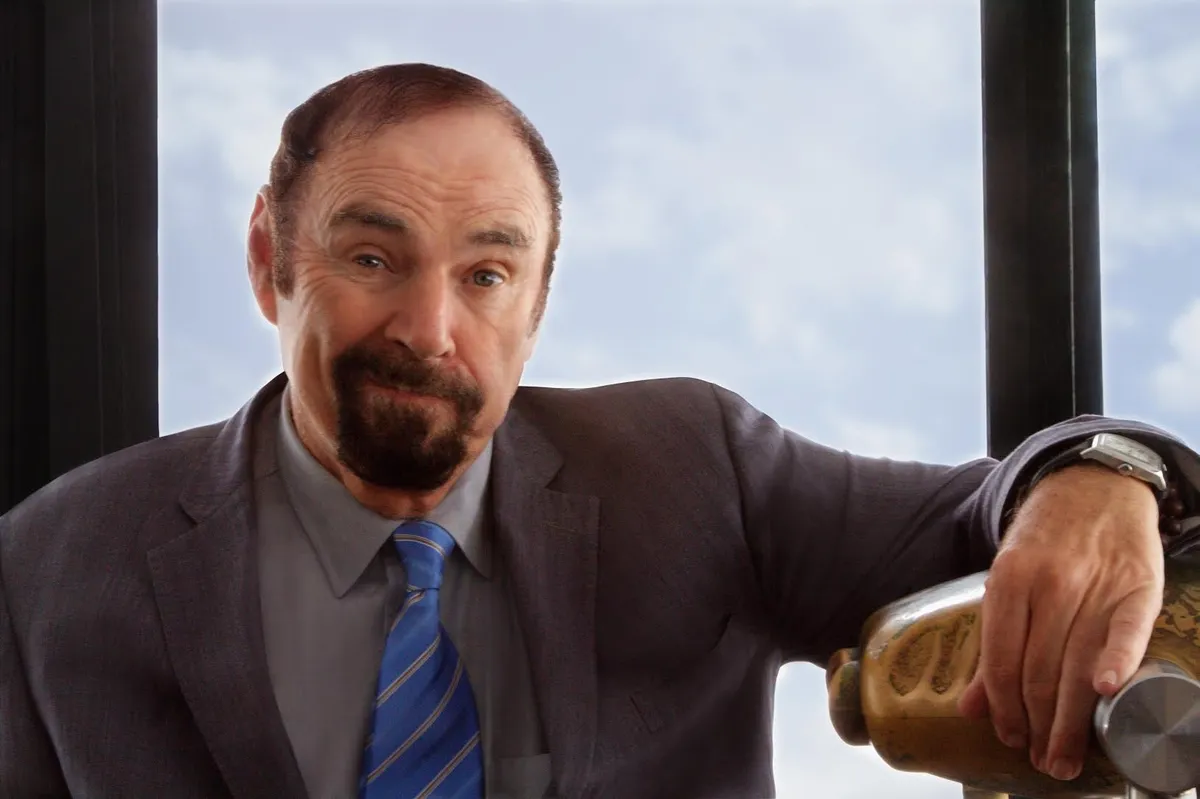
What does the recent injury of journalist Steve Sweeney in southern Lebanon signify for press safety in conflict zones? It underscores the ongoing dangers faced by reporters, especially in regions experiencing heightened military activity. Sweeney, who serves as the Lebanon bureau chief for Russia Today, was injured by shrapnel from an Israeli air strike while he and his cameraman were filming.
The attack occurred on March 19, 2026, in an area that has seen a surge in Israeli air strikes and ground operations. Both journalists were wearing clearly marked press gear at the time of the incident, which raises serious concerns about the targeting of media personnel in conflict situations.
Margarita Simonyan, editor-in-chief of RT, confirmed the incident, stating, “Our correspondent Steve Sweeney has been wounded by an Israeli strike in Lebanon.” This incident is part of a troubling trend, as the Committee to Protect Journalists has called for an investigation into the targeting of journalists in the region.
In recent years, the safety of journalists has come under increasing scrutiny, especially with reports indicating that two-thirds of all press killings in 2024 and 2025 were attributed to Israeli actions. The alarming statistic of 200 journalists killed in Gaza alone highlights the perilous environment for media professionals working in these areas.
Following the attack, Sweeney and his cameraman were treated for their injuries at a nearby hospital. The Israeli military has stated that it does not target civilians or journalists and operates in accordance with international law, but the circumstances of this incident have led to widespread concern and condemnation.
As Sara Qudah from the Committee to Protect Journalists remarked, “Journalists are civilians and must never be targeted – this is a clear binding legal obligation.” The international community continues to advocate for the protection of journalists in conflict zones, emphasizing the critical role they play in reporting the truth.
Aaron Bastani, a fellow journalist, expressed his disbelief at the incident, stating, “The only explanation was they were trying to kill a journalist. There’s nothing else there.” This sentiment reflects a growing apprehension among journalists about their safety while covering conflicts.
As the situation evolves, the world watches closely, hoping for a resolution that ensures the safety of journalists like Steve Sweeney. Details remain unconfirmed regarding the full implications of this incident, but it is clear that the risks for reporters in conflict zones remain alarmingly high.