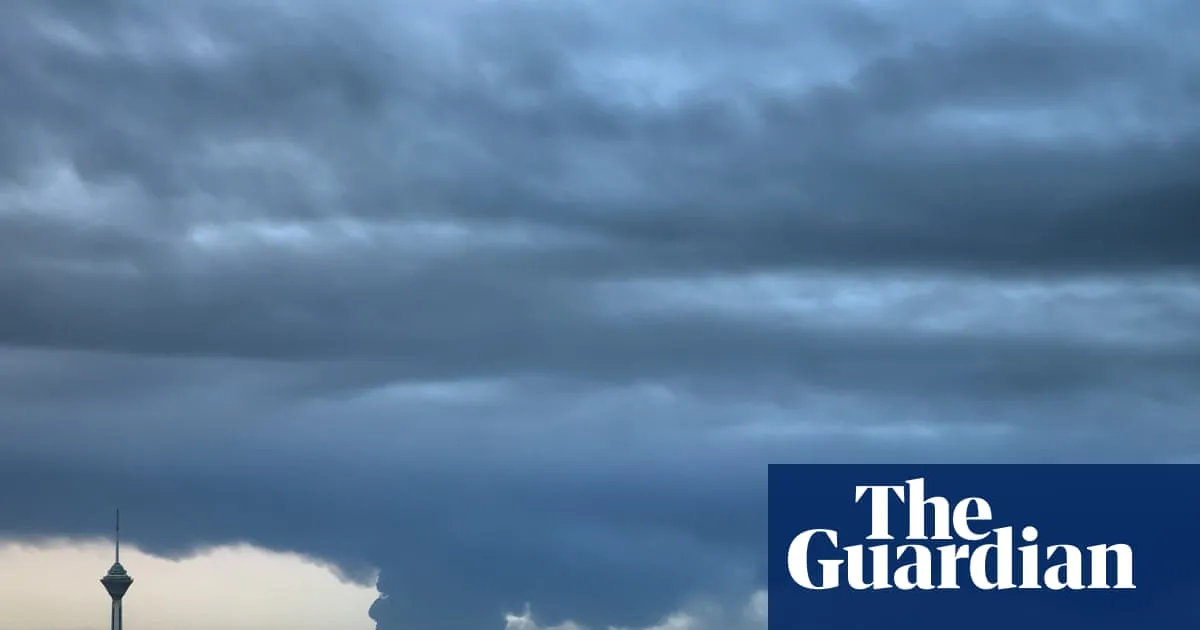
Tehran is grappling with a severe environmental crisis following Israeli bombings on oil depots, with satellite images revealing toxic fires that have blanketed the city in hazardous smoke. Residents are reporting alarming health issues, including headaches, eye and skin irritation, and difficulty breathing, as pollutants such as soot, oil particles, and sulphur dioxide fill the air.
The attacks, which occurred on March 7, have been described by Iranian officials as ‘ecocide’, highlighting the extensive environmental destruction caused. Notably, the Aqdasieh oil depot was still visibly burning ten days after the strikes, raising concerns about the long-term impact of the smoke and toxic emissions.
Dr. Tedros Adhanom Ghebreyesus, head of the World Health Organization, warned that the attack poses severe health risks, particularly for vulnerable populations such as children and the elderly. He stated, “The attack risked contaminating food, water and air – hazards that can have severe health impacts especially on children, older people, and people with pre-existing medical conditions.”
Furthermore, the United Nations Environment Programme has echoed these concerns, indicating that pollution from uncontrolled fires may leach into groundwater and contaminate food supplies. The symptoms reported by residents align with those typically associated with oil fires, which produce harmful compounds that can form acids when mixed with rainwater.
Tehran has a long-standing issue with chronic air pollution, exacerbated by the use of low-quality heating oil. The recent bombings have intensified these challenges, leading to a turning point among some anti-regime residents who are increasingly vocal about their grievances.
As the smoke continues to rise from the burning oil, the air quality in Tehran has been described as unbreathable, a situation that has persisted for years. Rescue workers are actively involved in saving lives following missile strikes in southern Tehran, further complicating the humanitarian situation.
With the air quality deteriorating and health risks escalating, the community is left to grapple with the immediate and long-term implications of this environmental disaster. Observers are closely monitoring the situation as the full extent of the damage and health impacts remains to be confirmed.