Introduction
The Chagos Archipelago, a group of over 60 islands in the Indian Ocean, has been at the centre of a contentious geopolitical dispute for decades. The significance of the Chagos Islands lies not only in their strategic military location but also in the humanitarian implications for its former inhabitants, the Chagossians. The ongoing struggle for their rights and the archipelago’s ecological value make this topic especially relevant today.
The Dispute Over Chagos
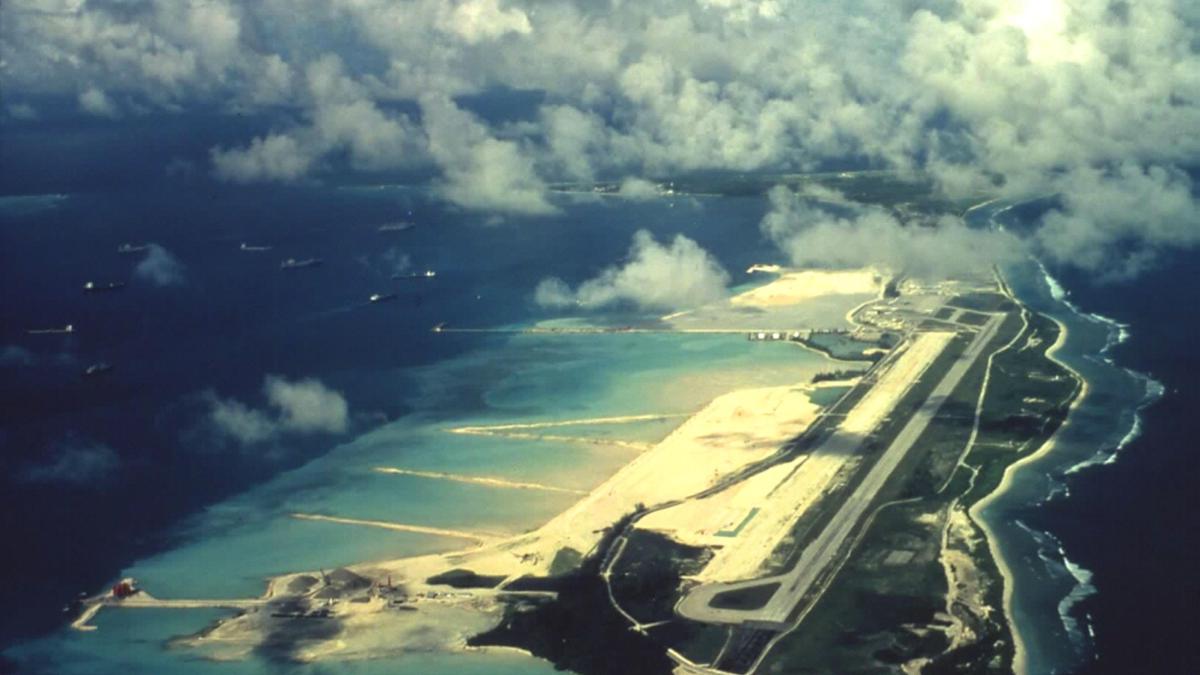
The dispute began in the 1960s when the United Kingdom removed the indigenous population from the islands to establish a military base for the United States on Diego Garcia, the largest island in the archipelago. This removal has sparked international outrage and legal challenges, with many calling it a violation of human rights. In a landmark ruling in 2019, the International Court of Justice (ICJ) concluded that the UK’s continued administration of the islands is unlawful and called for the return of the territories to Mauritius, which claims sovereignty over the islands.
Humanitarian Impact
The Chagossians, who were forcibly removed from their homes, have fought a decades-long battle for the right to return. Their plight highlights the broader issues of colonialism and displacement, drawing attention to how vulnerable populations are often overlooked in geopolitical strategies. In 2022, the UK Government faced renewed pressure to address the wrongs done to the Chagossians, as human rights organisations and local activists pushed for justice and reparations.
Environmental Significance
Beyond socio-political concerns, the Chagos Archipelago is an ecological treasure. The waters surrounding the islands represent one of the last intact coral reef ecosystems on the planet, rich in biodiversity. Conservationists argue that the islands must be protected not only for their intrinsic ecological value but also as a bulwark against climate change. Current discussions surrounding marine protection underscore the intersection of environmental and social justice.
Conclusion
The Chagos Archipelago case exemplifies the complexities of post-colonial territorial disputes, highlighting enduring injustices faced by indigenous populations, as well as the pressing need for environmental conservation. The outcome of this dispute may redefine international law regarding colonial legacies and set a precedent for addressing similar conflicts globally. As discussions continue, it’s clear that the future of the Chagos Archipelago will impact not only the Chagossians and the UK but also the wider international community and ecological health of our planet.