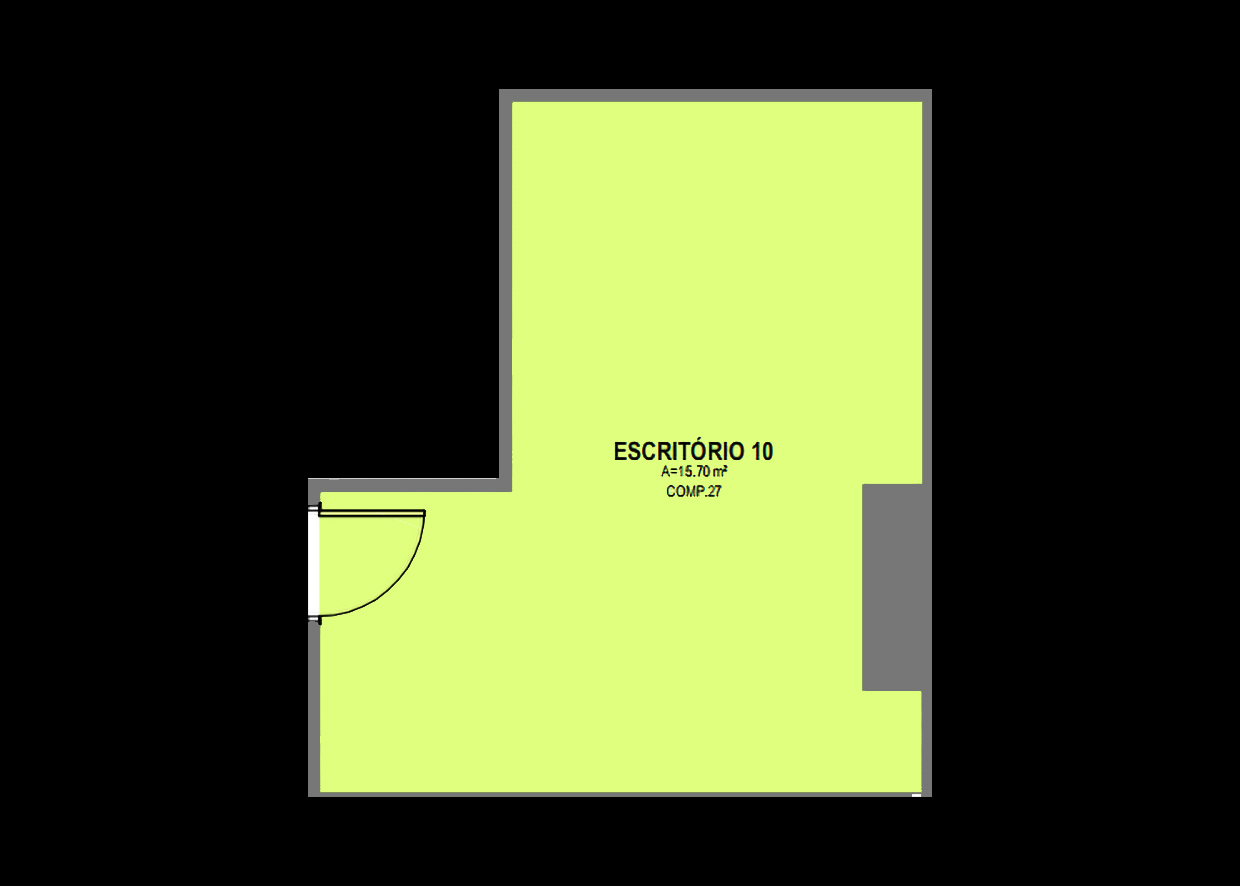
The Importance of Modern Office Design
As companies adapt to the challenges presented by the COVID-19 pandemic, the significance of a well-designed office environment has become more paramount than ever. The shift towards remote and hybrid working models has transformed traditional perspectives on office spaces, making this topic highly relevant for both employers and employees.
Recent Developments in Office Spaces
Recent studies indicate a significant decrease in the demand for conventional office environments. According to a report by Global Workplace Analytics, approximately 25-30% of the workforce is expected to work remotely multiple days a week by the end of 2023. This ongoing trend has compelled organisations to rethink their office utilisation, moving towards flexible working spaces that can accommodate varied work arrangements.
Moreover, businesses are investing in enhancing their office environments to prioritise employee well-being. Features like open-plan layouts, ergonomic furniture, and spaces promoting collaboration are becoming standard. A recent survey by Gensler reveals that 70% of employees seek a balance between remote work and in-person collaboration. This shift is pushing companies to design offices that foster interaction while allowing for privacy.
Technological Integration in Offices
Another critical aspect of modern office spaces is the integration of technology. High-speed internet, video conferencing facilities, and collaborative software are now essential components of an effective office environment. Companies like Microsoft and Google are investing heavily in creating technologically advanced workspaces, focusing on tools that enhance productivity and communication among teams that may not be physically together.
Conclusion: A Forward-Looking Perspective
As we navigate through 2023, it’s clear that the future of office environments is not about returning to pre-pandemic norms, but rather about embracing flexibility and adaptability. The ongoing evolution of office spaces presents unique opportunities for organisations to rethink and redesign how work is conducted. Businesses that can effectively integrate hybrid work models and create engaging environments will not only attract top talent but also enhance productivity and employee satisfaction.
In conclusion, the modern office is evolving into a dynamic space that prioritises flexibility, technology, and employee well-being. Companies that align their office design with these principles are likely to lead in the ever-competitive work landscape.