Introduction
The Elizabeth Line, officially opened in May 2022, represents one of the most significant expansions of London’s transport network in recent years. This high-frequency railway line enhances connectivity across the city, offering residents and visitors a modern, efficient, and reliable travel option. Its importance cannot be understated as it plays a crucial role in alleviating congestion on existing transport routes and fostering economic growth in the regions it serves.
Details of the Elizabeth Line
Stretching over 100 kilometres, the Elizabeth Line connects Reading and Heathrow in the west to Shenfield and Abbey Wood in the east. The new line serves 41 stations, with 10 new stations constructed specifically for this project, including key stops at Bond Street and Woolwich. The line has been developed not only to improve journeys into central London but also to reduce travel times, with certain trips cut by up to 30 minutes compared to previous travel options.
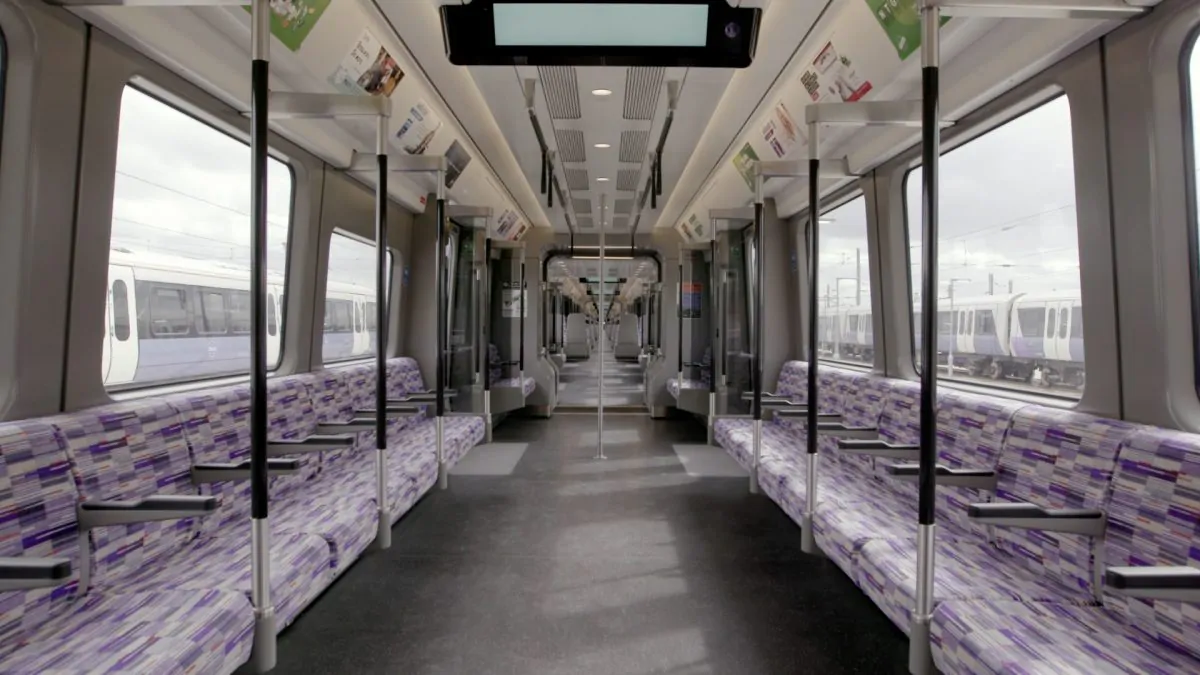
As part of the £19 billion investment into the project, the Elizabeth Line utilises cutting-edge technology, allowing trains to run every 2.5 minutes during peak hours. Each train can carry over 1,500 passengers, making it an important alternative for those accustomed to using the Underground or other rail services. The supporting infrastructure, including dedicated track and signalling systems, ensures an efficient service amid the busy urban landscape.
Impact on London and Beyond
The impact of the Elizabeth Line has already been felt throughout London, highlighted by increasing passenger numbers since its launch. Early reports estimate around 10 million journeys were made within the first few months of operation. Local businesses are likely to benefit from increased footfall in areas previously underserved by efficient rail transport.
Moreover, the line is seen as a vital piece in London’s post-pandemic recovery strategy, encouraging more people to return to the office and local attractions, thus aiding in revitalising the economy. Additionally, the Elizabeth Line is poised to create job opportunities both in construction and in the hospitality and retail sectors along the route.
Conclusion
The Elizabeth Line is more than just a transportation project; it embodies London’s aspirations for a modern, interconnected future. As demand for rail travel continues to grow, the importance of services such as the Elizabeth Line will only increase. Commuters can expect continued enhancements and investments aimed at improving their travel experience while contributing to the overall resilience of London’s transport infrastructure.