Introduction
The Day of the Jackal, a historical thriller novel written by Frederick Forsyth in 1971, has maintained its status as a seminal work in the genre. Its intricate plot revolving around an assassination attempt on French President Charles de Gaulle captivates readers even decades after its publication. The relevance of this novel goes beyond mere entertainment; it offers a profound exploration of political themes and the complexities of the human psyche, demonstrating why it continues to be celebrated in contemporary literature and film adaptations.
Summary of Key Events
The narrative follows the meticulous and suspenseful plans of an anonymous British assassin, known only as ‘Jackal’, who is hired to kill de Gaulle. Forsyth’s research into real events and meticulous attention to detail lends an air of authenticity to the story, engaging readers from the outset. The Jackal’s cold determination and the ensuing cat-and-mouse game with the French police create an atmosphere of tension that keeps readers on the edge of their seats. The novel’s climax is both thrilling and intellectually rewarding, leading to a conclusion that challenges the reader’s understanding of morality and justice.
Impact and Adaptations
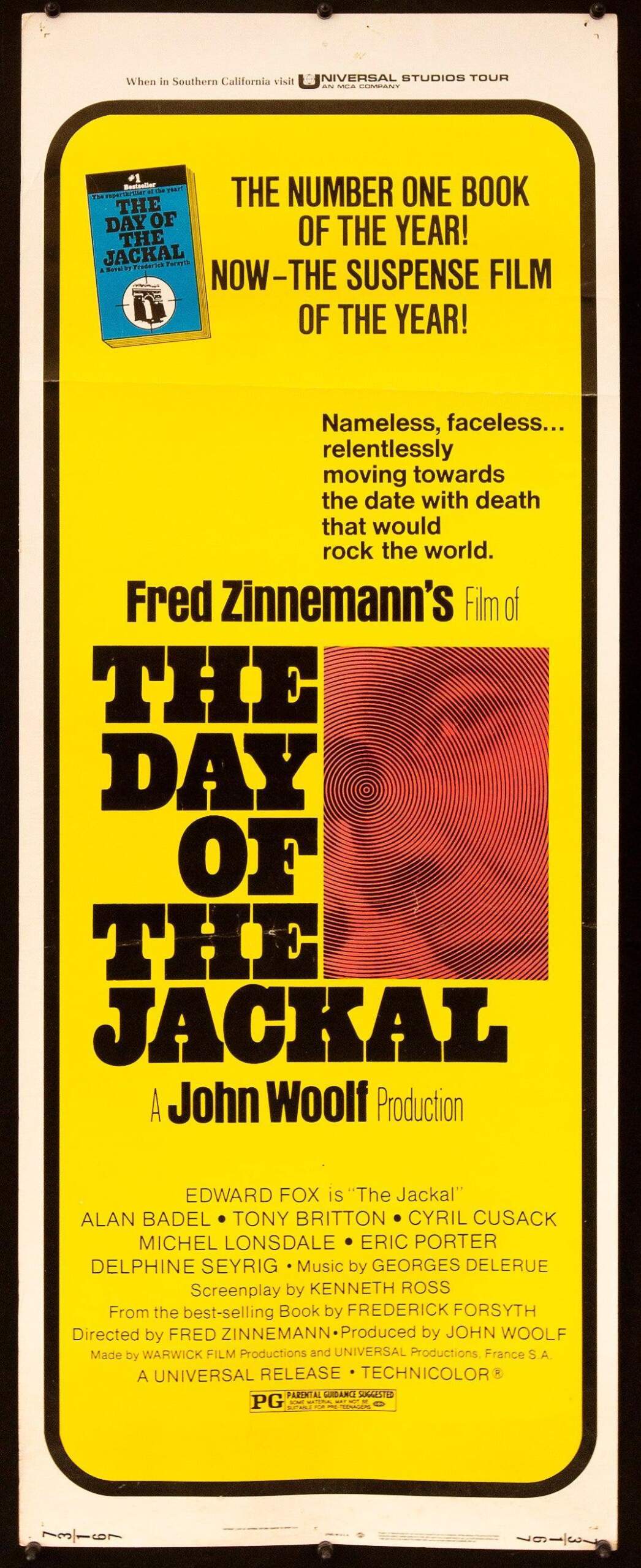
The lasting influence of The Day of the Jackal is notable in its adaptations into film, most famously in 1973 directed by Fred Zinnemann, which received critical acclaim. The film not only preserved the intricate plot but also expanded the audience’s engagement with the narrative. Further, the story inspired numerous works in the thriller genre, paving the way for modern espionage narratives that interlace political intrigue with personal dilemmas.
Conclusion
In conclusion, The Day of the Jackal remains a crucial work that transcends time. Its intricate exploration of themes such as political assassination, identity, and moral ambiguity continues to resonate with readers and filmmakers alike. As we look forward, the narrative’s fundamental questions about power, duty, and the human condition ensure its relevance in discussions around contemporary conflicts and espionage in our world today. Forsyth’s masterpiece serves as a reminder of the complexities of global politics, making it an indispensable read for anyone interested in thrilling literature and historical contexts.