Introduction to Solar Eclipses
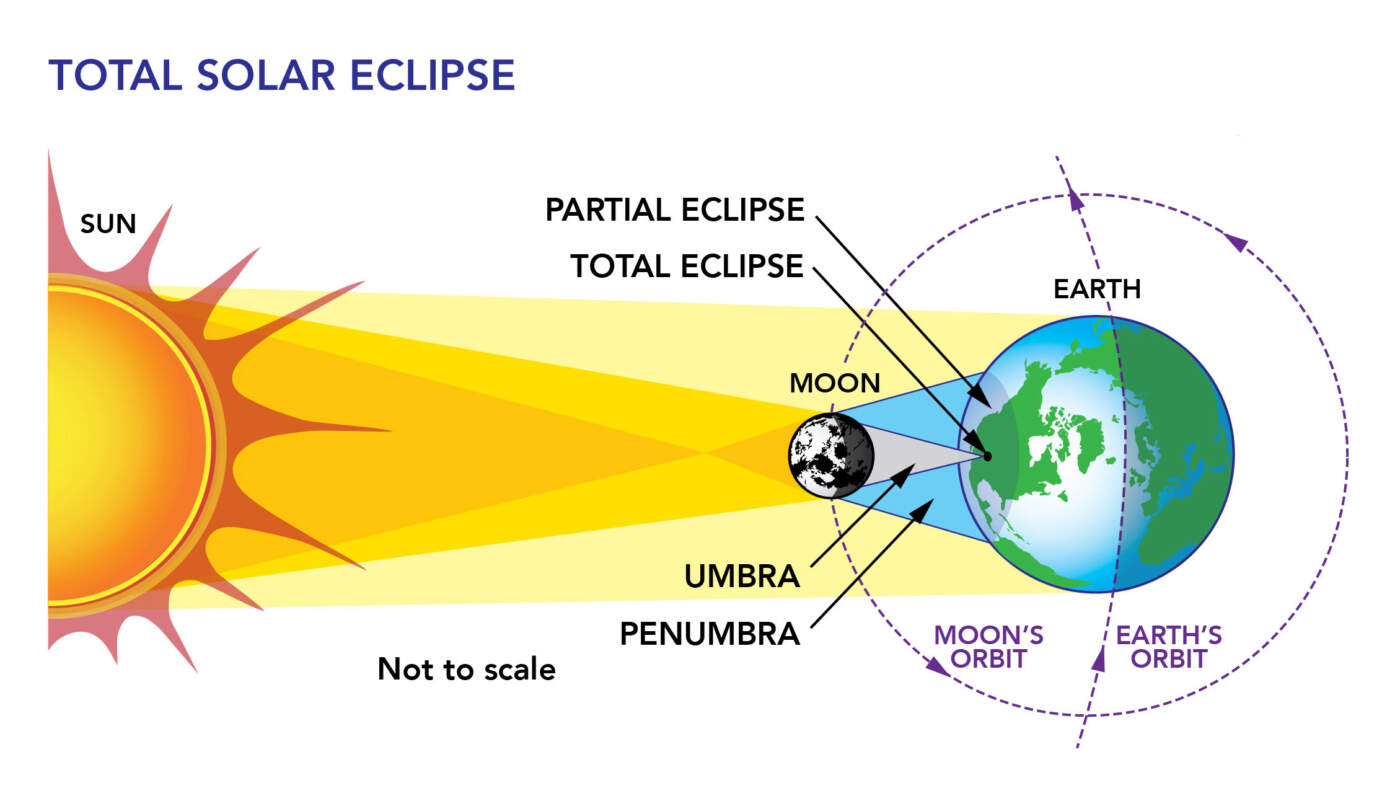
Solar eclipses are a captivating astronomical event that occurs when the Moon passes between the Earth and the Sun, temporarily obscuring the Sun’s light. These occurrences not only provide stunning visuals but also serve as important scientific opportunities and cultural phenomena. Understanding solar eclipses is essential for anyone interested in astronomy or the natural world.
The Science Behind Solar Eclipses
There are three types of solar eclipses: total, partial, and annular. A total solar eclipse occurs when the Moon completely covers the Sun, plunging the Earth into darkness, while a partial eclipse only obscures part of the Sun’s disc. An annular eclipse happens when the Moon is too far from Earth to completely cover the Sun, resulting in a ring-like appearance. The path of totality—where a total solar eclipse can be seen—is a narrow band on Earth, making these events rare for any given location.
Recent and Upcoming Solar Eclipses
In 2023, two prominent solar eclipses captured global attention. The April 20 hybrid solar eclipse, visible in Australia and parts of Southeast Asia, marked a significant moment for astronomers and skywatchers alike. Subsequently, on October 14, 2023, an annular solar eclipse will be visible across parts of North America, providing a unique opportunity for those in the path to witness this spectacular event. The last total solar eclipse visible in the UK occurred on August 11, 1999, and the next will not be until November 23, 2030.
Cultural Significance and Observational Practices
Throughout history, solar eclipses have been viewed with awe and reverence in various cultures. Ancient civilisations often interpreted them as omens or signs from the gods. Today, educators and astronomical societies encourage public engagement through viewing parties and educational seminars to promote understanding of these phenomena. It is crucial, however, to observe solar eclipses safely, using proper eye protection such as eclipse glasses or solar viewers to prevent serious eye injury.
Conclusion: The Future of Solar Eclipses
Solar eclipses continue to inspire curiosity and research across various fields, including astronomy, physics, and cultural studies. Future solar eclipses, such as the total eclipse on April 8, 2024, expected to traverse a significant portion of North America, will usher in further opportunities for discovery and celebration. As technology advances, more people can engage with these celestial events, making the fascination with solar eclipses likely to endure for generations to come.