Introduction
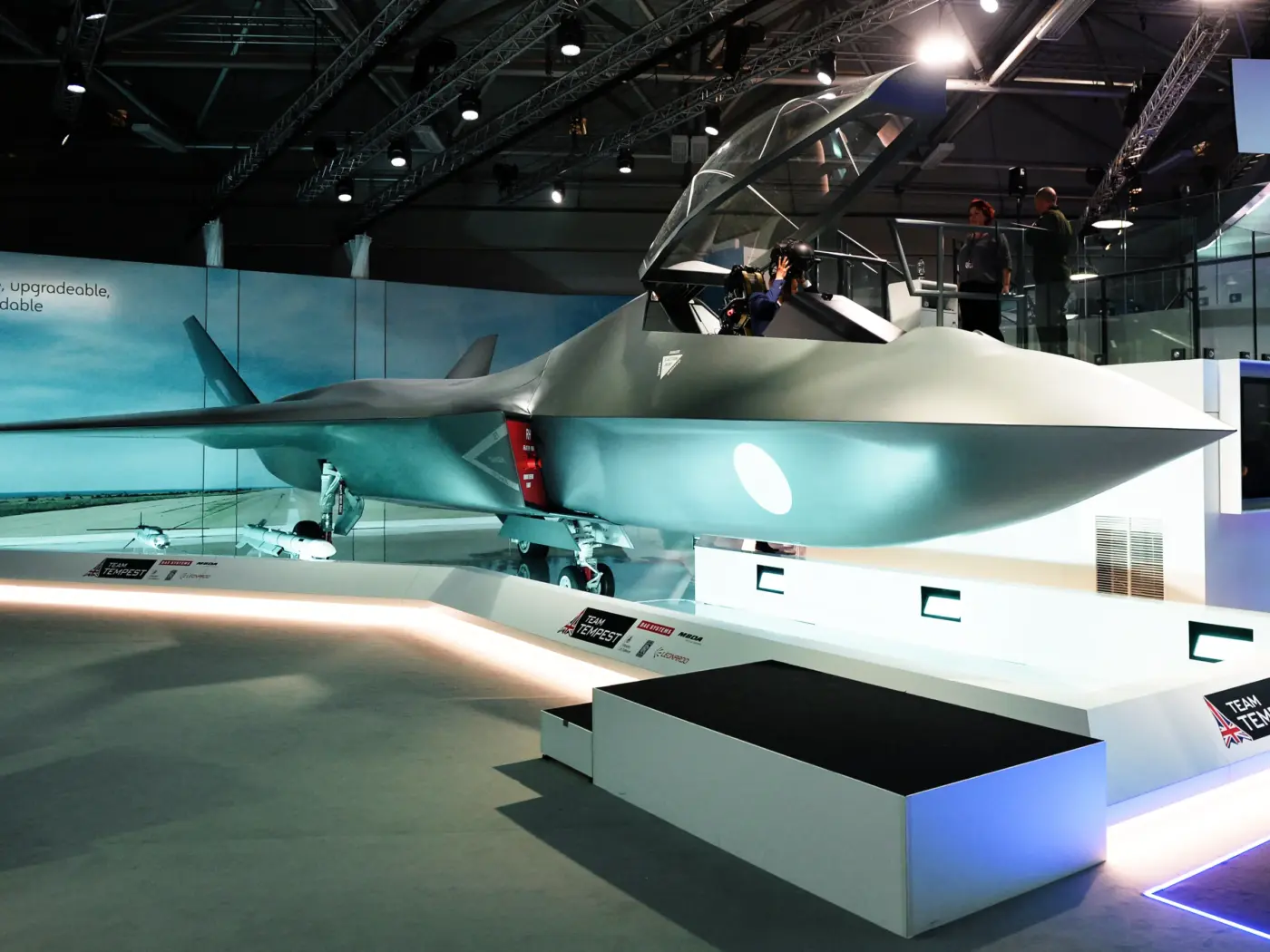
The Tempest fighter jet project represents a significant leap forward in military aviation, aimed at maintaining and enhancing the United Kingdom’s aerial combat capabilities. With the rapid advancements in technology and the evolving nature of warfare, the Tempest is designed to be a state-of-the-art solution for modern air defence, ensuring that the UK remains at the forefront of military innovation. This project not only holds relevance for the UK’s defence strategy but also for international partnerships in the field of aerospace.
Development and Collaboration
The Tempest programme, launched in 2018, is a collaborative effort led by BAE Systems, with participation from Rolls-Royce, Leonardo, and MBDA, along with industry partners from Italy and Sweden. The UK Ministry of Defence envisions the Tempest as not just a replacement for older aircraft like the Eurofighter Typhoon, but as a fully integrated system capable of working alongside unmanned aerial vehicles (UAVs) and advanced missile systems. The project is estimated to cost £2 billion over the development phase and aims for a first flight by 2035.
Technological Advancements
One of the most intriguing aspects of the Tempest is its incorporation of cutting-edge technology. The aircraft is expected to feature stealth capabilities, advanced avionics, and the ability to harness artificial intelligence for enhanced decision-making and battlefield management. Notably, the Tempest will also have an emphasis on connectivity, allowing it to operate as part of a larger network of military assets, sharing data in real time to improve situational awareness and response times.
Strategic Importance
With growing concerns about security threats from adversarial nations and the rise of new technologies in warfare, the Tempest fighter jet serves as a vital component of the UK’s defence strategy. It is designed to adapt to the changing landscape of aerial combat, countering emerging threats such as enemy drones and cyber warfare. The UK government has recognised this need, announcing an increase in defence spending as part of a broader strategy to bolster national and allied security.
Conclusion
The Tempest fighter jet is not just a symbol of technological progress; it represents a strategic investment in the future of air combat. As the project continues to evolve, its implications will extend well beyond the UK, influencing global defence partnerships and capabilities. As 2035 approaches, stakeholders will be keenly watching the development of the Tempest, which aims to redefine aerial warfare and ensure that the UK maintains its competitive edge in military aviation for years to come.