Introduction
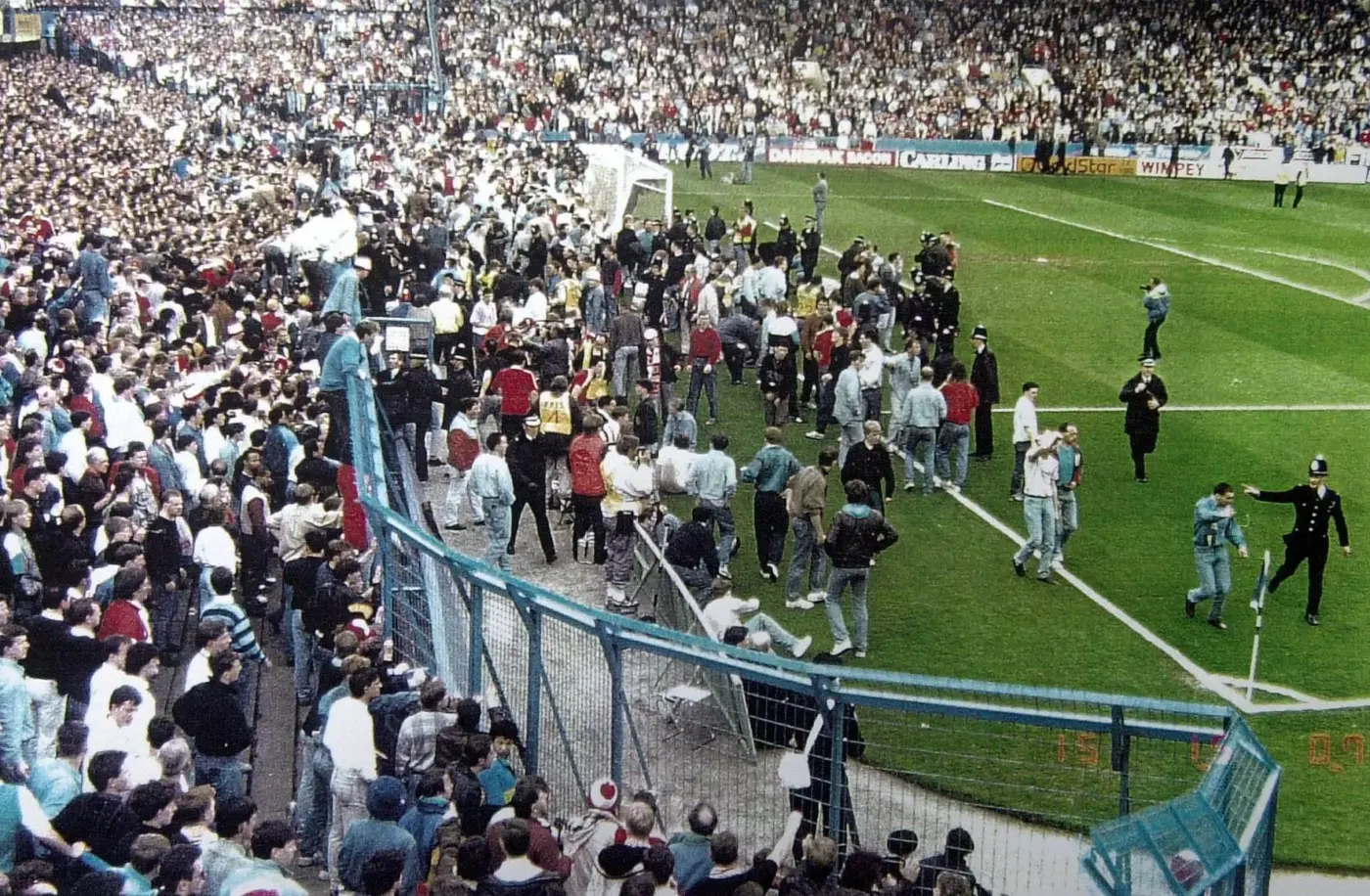
The Hillsborough Disaster, which occurred on 15 April 1989, is one of the most significant tragedies in the history of British football. During an FA Cup semi-final match between Liverpool and Nottingham Forest at Hillsborough Stadium in Sheffield, 96 supporters lost their lives in a crush, highlighting serious flaws in crowd management and safety protocols. The disaster not only shocked the nation but also led to widespread changes in football regulations and stadium safety measures.
Details of the Incident
On the fateful day, approximately 24,000 Liverpool fans attended the match, which was held at a neutral venue due to the nature of the competition. As fans surged towards the terraces, barriers were forced against the crowd, leading to a fatal crush. Emergency services were overwhelmed, and the chaos of the situation was exacerbated by poor management and communication failures at the stadium. Many who died were young people, and the incident remains a poignant reminder of the importance of safety in sports venues.
Aftermath and Inquest
In the days following the disaster, initial media reports, supported by police statements, unfairly blamed the victims for their own deaths. However, this narrative was robustly challenged. Over the years, multiple inquiries followed, including the Hillsborough Independent Panel report in 2012, which clear up many misunderstandings. It revealed evidence of police mismanagement and a cover-up of the true circumstances surrounding the disaster.
Changes to Football Safety
The ramifications of the Hillsborough disaster extended well beyond the immediate tragedy. It led to pivotal changes in football safety regulations, including the introduction of all-seater stadiums as mandated by the Taylor Report, published in 1990. This report fundamentally altered the landscape of football in the United Kingdom, prioritising spectator safety and rethinking stadium design. The event has since been a catalyst for a broader discussion on emergency response procedures and crowd management in large venues.
Conclusion
The Hillsborough Disaster remains an indelible mark on the history of football, standing as a tragic reminder of the vulnerabilities in crowd management. The lessons learned have resulted in significant improvements in stadium safety protocols, generally impacting all sports. Furthermore, ongoing commemorations and inquiries reflect society’s commitment to remembering those who were lost and ensuring such a tragedy is never repeated. As football continues to evolve, the legacy of Hillsborough remains a critical chapter in conversations about fan safety and rights.