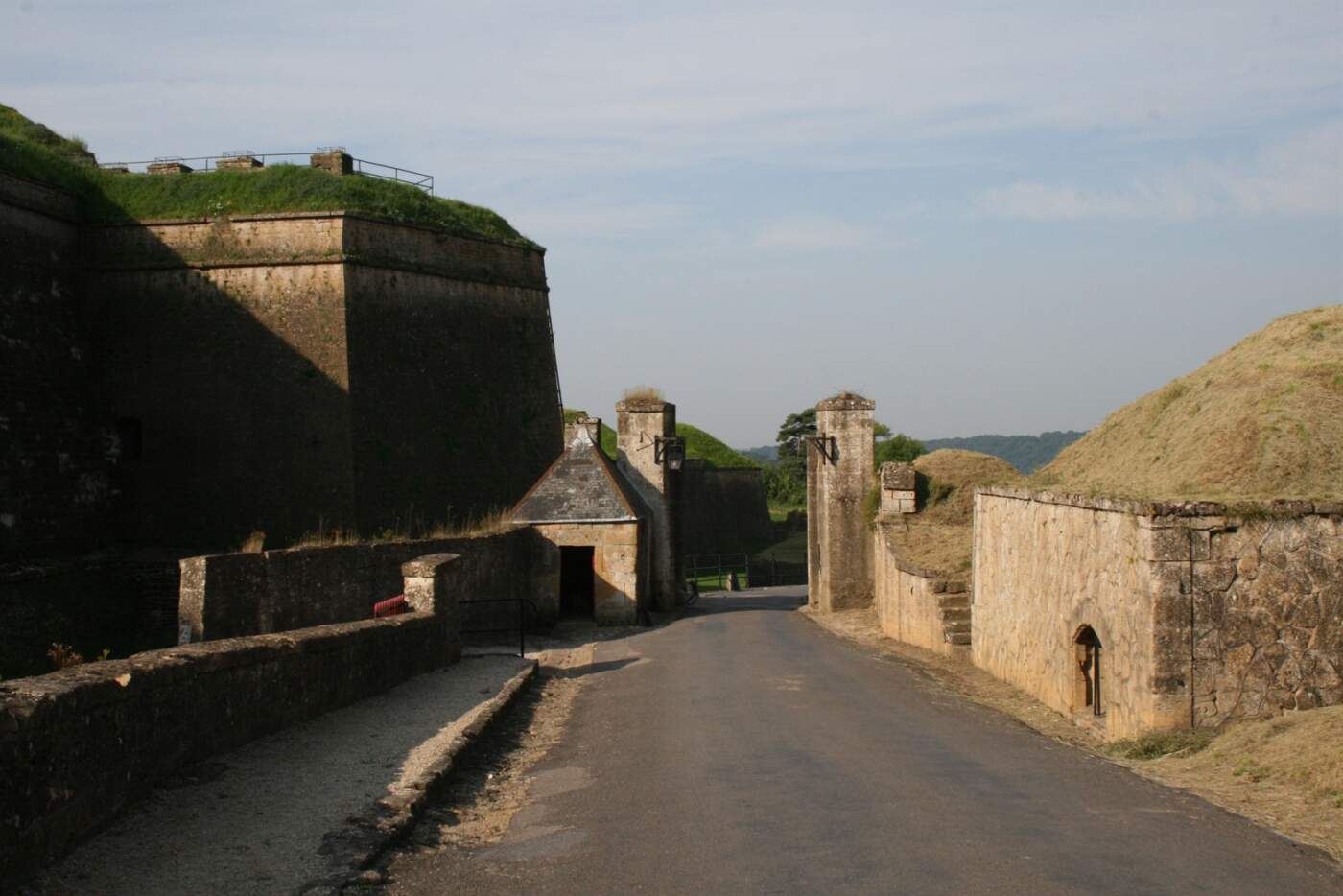
Introduction to Verdun
Verdun, a commune in northeastern France, is not only known for its picturesque landscapes but also for its crucial role in the First World War. The Battle of Verdun, which took place from February to December 1916, became one of the war’s longest and most grueling engagements, symbolising French determination and resilience. Today, it serves as a reminder of the devastating impacts of war and the importance of remembering those who sacrificed their lives.
The Battle of Verdun
The Battle of Verdun was initiated by the German Empire, with the intention of bleeding France white through a war of attrition. The French Army, under the command of General Philippe Pétain, famously declared, “They shall not pass!” This became a rallying cry for French forces. The fighting was characterised by intense trench warfare, with soldiers facing constant artillery bombardments and brutal living conditions. The battle resulted in approximately 700,000 casualties, making it one of the deadliest battles in history.
Commemoration and Legacy
In the years following the war, Verdun transformed into a site of remembrance. Numerous memorials and cemeteries, such as the Douaumont Ossuary, were constructed to honour the fallen soldiers. The ossuary alone holds the remains of 130,000 unidentified soldiers and serves as a powerful symbol of the immense human cost of the battle. Each year, commemorative events are held in Verdun, attracting visitors and historians keen to learn about its historical significance.
Current Relevance
In recent years, Verdun has also become a focal point for discussions on military history and the impact of war on society. With the 100th anniversary of the end of World War I having been marked in 2018, there has been a renewed interest in studying the strategies employed during the battle and how they influenced modern warfare. Additionally, the lessons learned from Verdun continue to resonate in contemporary discussions about conflict resolution and the importance of diplomacy in preventing war.
Conclusion
Verdun’s historical legacy is profound, standing as a testament to the resilience of the human spirit in the face of unimaginable hardship. As the world navigates modern conflicts, the remembrance of Verdun reminds us of the consequences of war and the critical need for peace. The ongoing interest in Verdun ensures that the stories of bravery and sacrifice will live on, educating future generations about the value of peace and the horrors of war.