Introduction
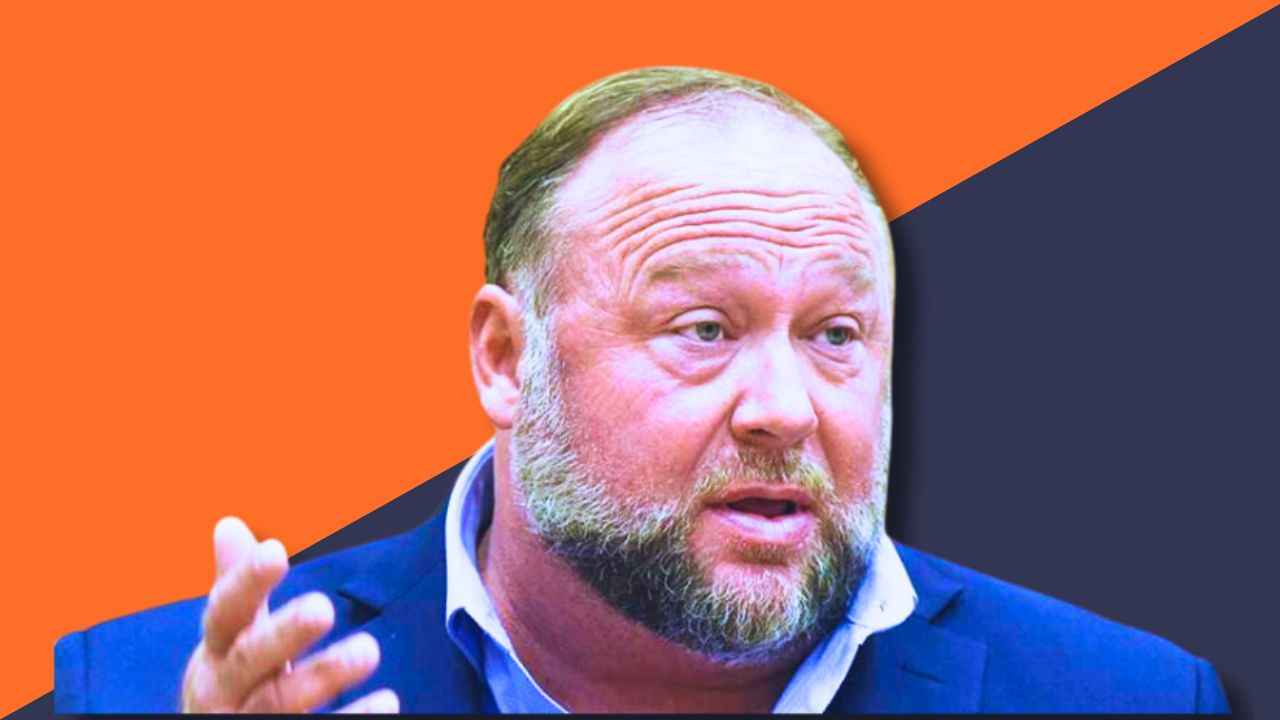
Alex Jones, the controversial media figure and founder of the far-right website Infowars, has been a central figure in discussions about misinformation, media ethics, and free speech. His claims ranging from denying the Sandy Hook Elementary School shooting to promoting conspiracy theories have raised important questions about the boundaries of free speech and the responsibility of media in the digital age. As misinformation continues to spread online, examining Jones’s influence becomes increasingly relevant.
Background of Alex Jones
Born on February 11, 1974, in Dallas, Texas, Alex Jones began his media career in the 1990s with a public access cable show. He later expanded his reach through the internet, where his website, Infowars, gained significant followers. Over the years, Jones has been known for his extreme conspiracy theories, including his assertion that the government is involved in a cover-up of critical information related to 9/11, the New World Order, and many other supposed plots.
Recent Developments
In 2022, Jones faced legal repercussions for his claims regarding the Sandy Hook shooting, where he was found liable for defamation against the families of victims. In a significant trial, a jury awarded nearly $1 billion in damages to the families affected. This case has drawn national attention, sparking debates about the limits of free speech and accountability for misinformation. Furthermore, it highlighted the emotional toll that such theories can take on victims’ families and advocates for media accountability.
As the courtroom proceedings unfolded, it commenced broader discussions about the implications of online platform content and how they can host or amplify divisive rhetoric. Platforms like Facebook and Twitter have been scrutinised over their content moderation practices, as misinformation continues to proliferate.
The Broader Implications for Society
The influence of Alex Jones goes beyond his immediate fan base, impacting a larger discourse on media integrity and the persistence of conspiracy theories. Experts argue that Jones’s brand of media undermines public trust in legitimate news sources, contributing to a fragmented society where different groups hold radically divergent views of truth.
Conclusion
As misinformation remains a pervasive challenge in the digital age, the ongoing scrutiny of figures like Alex Jones is vital for upholding democratic standards and social responsibility within media. His case serves as a cautionary tale of the potential consequences of unfettered free speech in the age of misinformation. As society evolves, the need for robust media literacy and critical thinking skills becomes paramount to combat false narratives and promote informed public discourse. The balance between free speech and the moral responsibility to fact-check continues to be a pressing topic for everyone, from policymakers to everyday social media users.