Introduction
The Last of Us has garnered significant attention as one of the most beloved video games of all time. Originally released in 2013 by Naughty Dog, the game has since transcended the gaming industry to become a cultural phenomenon. Its blend of storytelling, character development, and emotional depth has not only captivated players but also attracted a diverse audience through its adaptation into a television series by HBO. As we explore the relevance of The Last of Us in today’s media landscape, it is essential to consider its lasting impact and the implications for future adaptations.
The Journey of The Last of Us
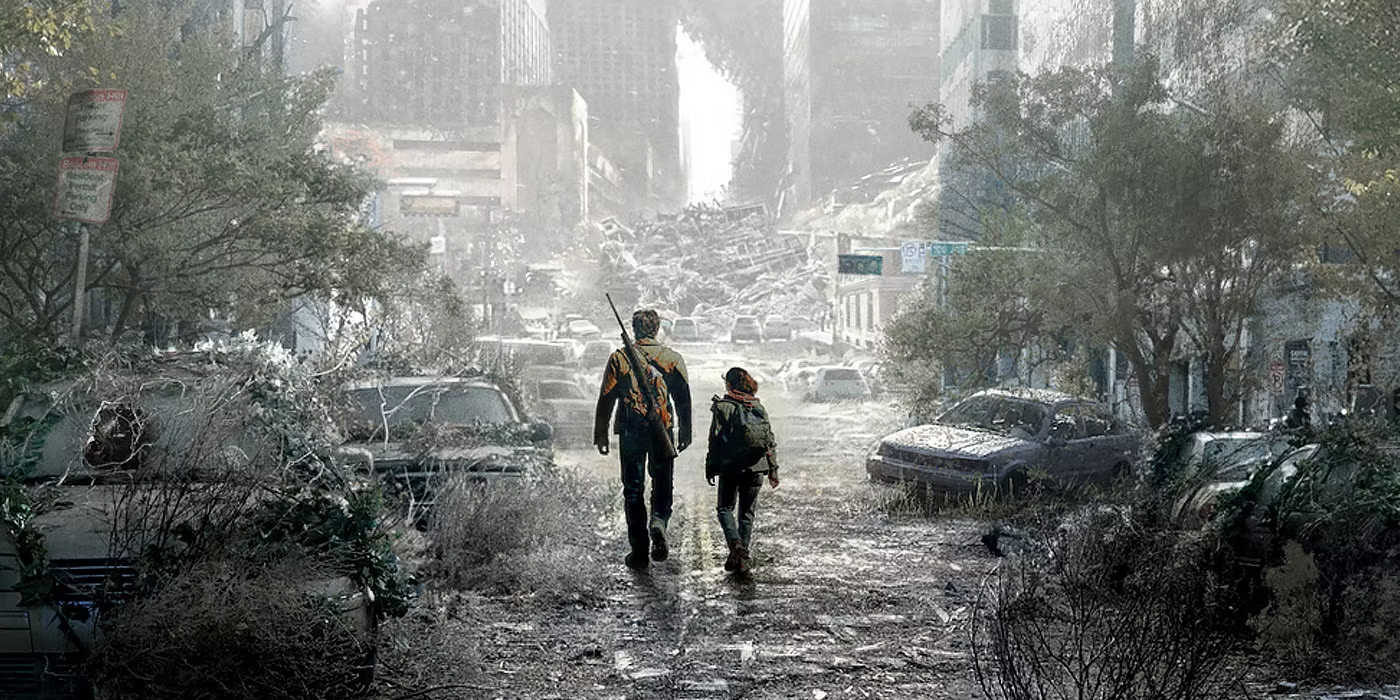
The Last of Us tells the story of Joel and Ellie in a post-apocalyptic world overrun by infected creatures. The game emphasises themes of love, sacrifice, and morality amid survival. This narrative complexity is what set it apart from traditional video games and appealed to a broader audience. In January 2023, HBO premiered its adaptation of the game, which quickly became one of the most watched shows on the platform, achieving record-breaking viewership and critical acclaim.
Television Adaptation and Cultural Impact
The HBO adaptation has been praised for its fidelity to the source material, featuring nuanced performances by Pedro Pascal as Joel and Bella Ramsey as Ellie. Critics have noted how the series not only captures the game’s essence but also expands upon its character backgrounds and themes. The show’s success is indicative of the growing acceptance of video game adaptations in mainstream media. According to recent reports, it has revitalised interest in the original game, leading to a surge in sales and new players engaging with the franchise.
Future of Video Game Adaptations
The Last of Us serves as a blueprint for future adaptations, showcasing the potential for storytelling in video games to resonate with audiences through different media. With the success of the series, other game franchises are now exploring similar adaptations, providing opportunities for richer narratives. However, the challenge remains in balancing authenticity to the gaming experience while appealing to a wider television audience.
Conclusion
The Last of Us stands at the forefront of a new era in entertainment, bridging the gap between gaming and television. Its emotional depth and intricate storytelling have not only captured the hearts of its fans but also set a precedent for future adaptations. As audiences continue to embrace the convergence of these two worlds, we can anticipate a wealth of creative projects that honour the artistry of video games while introducing them to a broader audience. The success of The Last of Us demonstrates that the potential for storytelling lies not only in traditional mediums but also in those that once appeared exclusive to niche markets.