Introduction
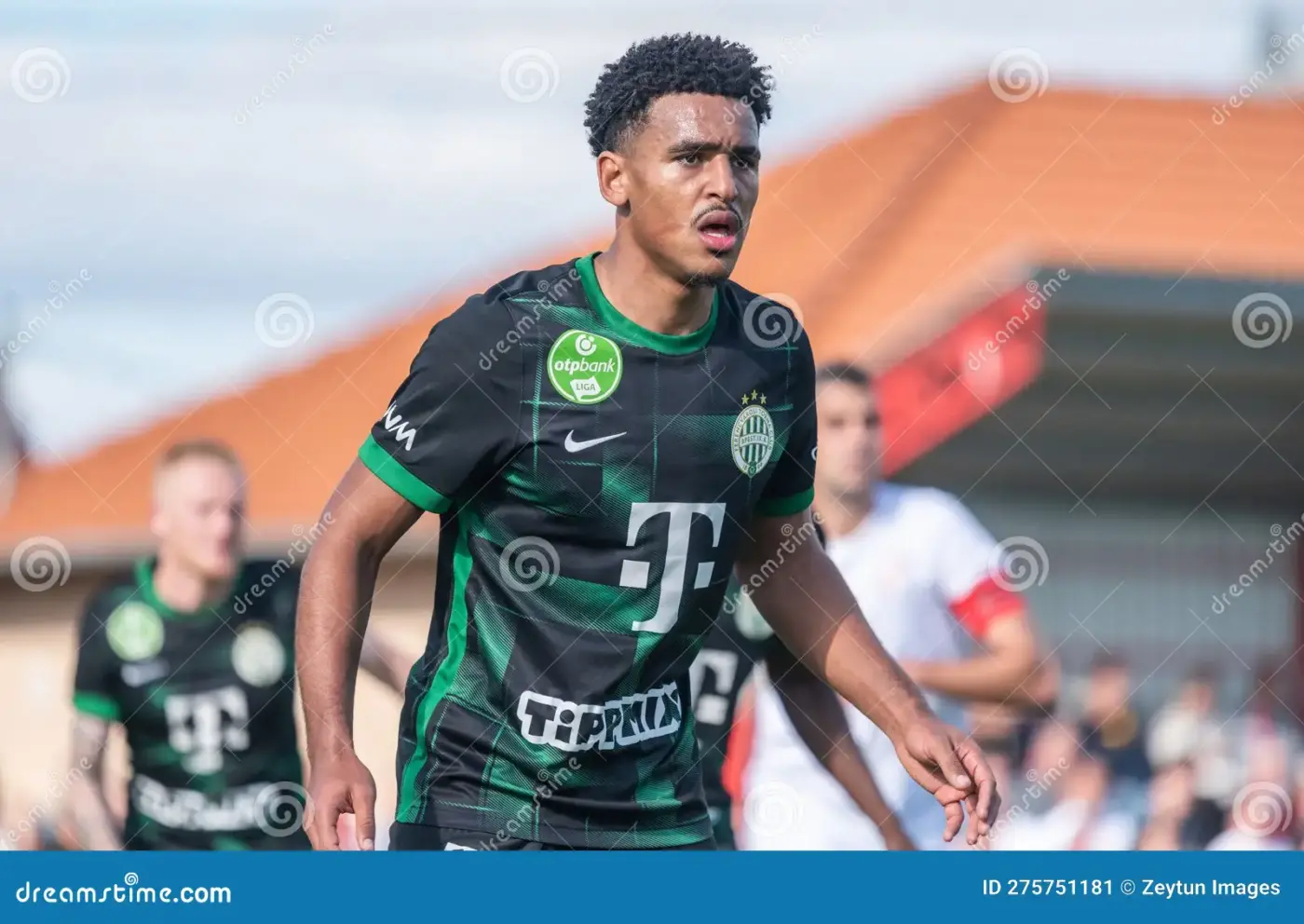
Ferencvárosi Torna Club, commonly known as Ferencváros, is more than just a football club; it is an emblem of Hungarian sports culture and history. Established in 1899, the club has amassed a rich legacy that spans over a century, becoming a source of pride for its supporters and a critical player in Hungary’s football scene. The significance of Ferencváros lies not only in its achievements on the pitch but also in its role in fostering community spirit and national pride.
Recent Performance
In the 2022-23 season, Ferencváros continued to showcase its dominance in the Hungarian football landscape by securing yet another league title in the Nemzeti Bajnokság I, the top tier of Hungarian football. With an impressive squad led by coach Stanislav Cherchesov, they displayed resilience and skill in both domestic and European competitions. Furthermore, Ferencváros made headlines by progressing to the group stages of the UEFA Europa League, where they faced off against formidable teams and further established their presence on the international stage.
Community Engagement
The role of Ferencváros extends beyond football; the club has deep roots in the community, engaging with fans through various initiatives and outreach programmes. Their commitment to building a stronger community is evident in their youth academies, which aim to nurture the next generation of football talent in Hungary. These academies not only provide sports training but also focus on personal development and education, ensuring young players receive a well-rounded experience.
Future Prospects
Looking ahead, the future seems bright for Ferencváros as they continue to invest in player development and infrastructure. With plans for an enhanced training facility and a focus on international recruitment, the club is poised to strengthen its competitive edge not only in Hungary but also across Europe. Fans remain hopeful that the club will return to its glory days in European competitions, where it once graced the continental stage with pride.
Conclusion
In summary, Ferencváros is not only a football club but a significant cultural institution in Hungary. Its longstanding history, recent successes, and strong community ties underline its importance in the sporting world. As the club moves forward, it stands as a beacon of hope and dedication for young athletes and an enduring source of pride for its fans. The continued success of Ferencváros highlights the influential role sports play in bringing people together and fostering national identity.