Introduction
Al Pacino is indisputably one of the most celebrated actors in the history of cinema, known for his intense performances and dynamic characters. His work not only embodies the essence of classic Hollywood but has also significantly influenced modern acting. As audiences continue to engage with his films, understanding Pacino’s evolution as an actor and his impact on the film industry remains pertinent.
Early Life and Career
Born on April 25, 1940, in New York City, Al Pacino was raised in the Bronx by his Italian-American parents. He showed an early passion for acting and attended the Actors Studio, where he honed his craft alongside renowned mentors. Pacino’s breakthrough came in 1972 with his role as Michael Corleone in Francis Ford Coppola’s epic film, The Godfather. This performance not only established him as a leading man but also earned him his first Academy Award nomination.
Rise to Fame
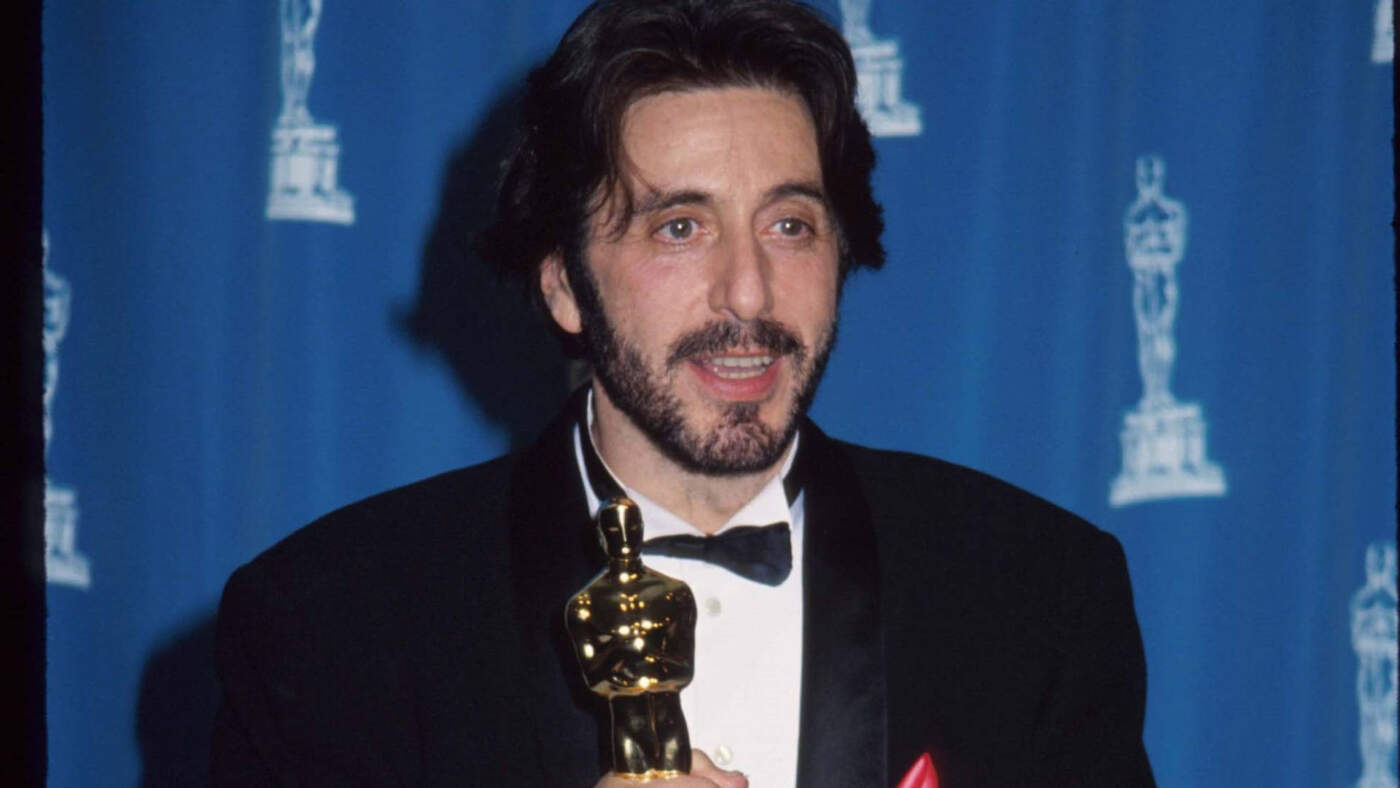
Following his success in The Godfather, Pacino starred in a series of critically acclaimed films throughout the 1970s and 1980s, including Serpico (1973), Dog Day Afternoon (1975), and Scarface (1983). His portrayal of complex characters often reflects societal issues, making his films resonate widely. Pacino’s remarkable ability to convey emotions has garnered him numerous accolades, including an Academy Award for Best Actor for his role in Scent of a Woman (1992).
Recent Works and Contributions
In recent years, Pacino has continued to thrive in both film and television, showcasing his versatility. Projects such as The Irishman (2019) illustrate his ability to evolve with contemporary cinema while still preserving the intensity that defines his performances. Even in the world of theatre, where he started his career, Pacino has directed and starred in numerous noteworthy productions, earning further respect within the arts community.
Conclusion
Al Pacino’s impact on film is profound and enduring. As he continues to take on new roles and challenges, his contributions to cinema inspire generations of actors and film enthusiasts alike. His legacy not only highlights the transformative power of acting but also serves as a catalyst for conversations about storytelling and character development in film. Looking ahead, audiences can expect to see more from this iconic figure, who refuses to fade into the background of Hollywood’s storied history.