Introduction
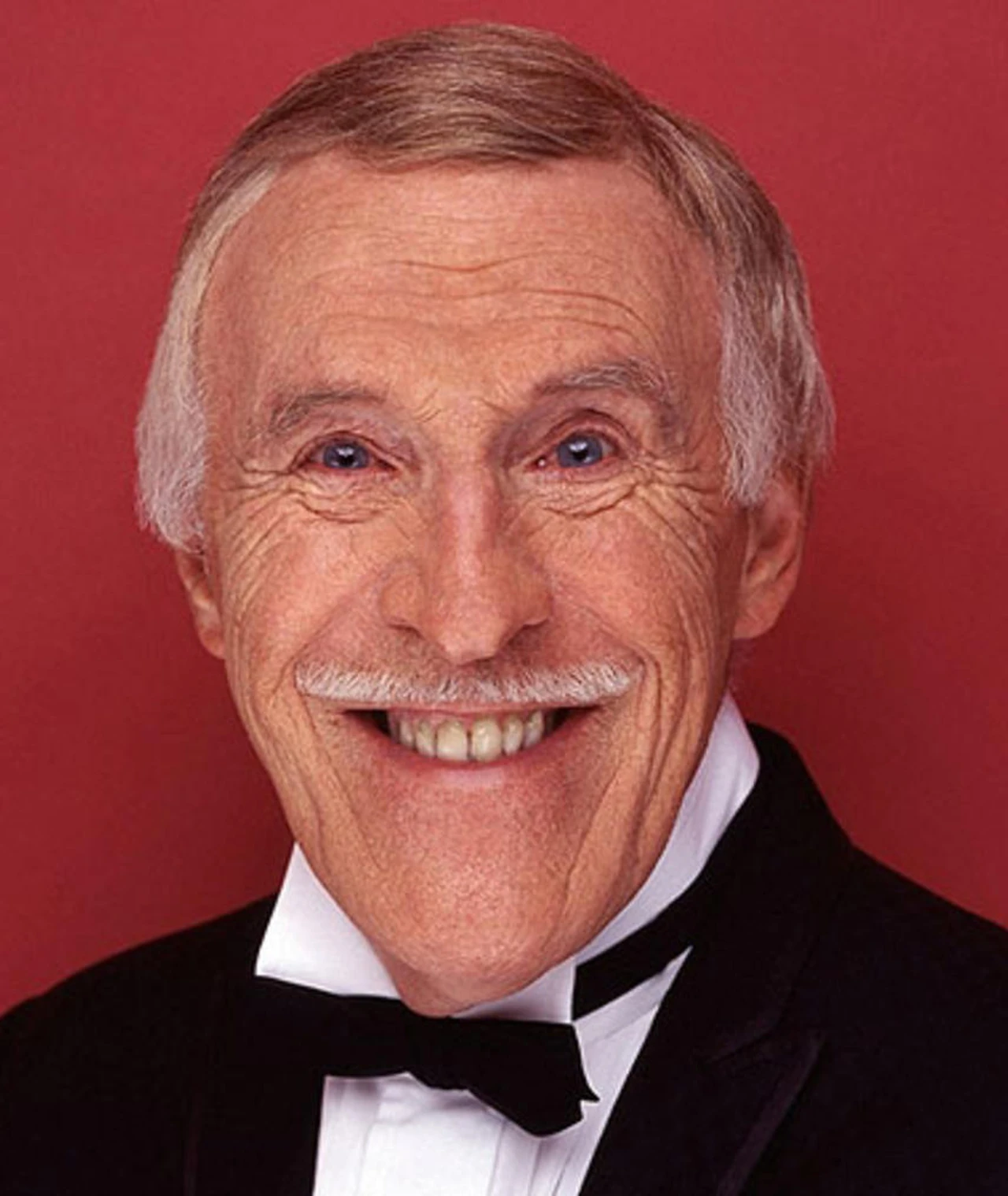
Bruce Forsyth, the beloved British television presenter and entertainer, captivated audiences for more than seven decades. His career spanned multiple genres, including variety shows, game shows, and talent contests, making him a household name. Forsyth’s unique charisma and wit left an undeniable mark on British entertainment, and his legacy continues to influence new generations of performers.
Early Life and Career
Born on February 22, 1928, in Edmonton, London, Forsyth displayed a passion for performance from a young age. He started his showbiz journey at the age of 14, working as a dancer in London’s West End. His big break came in the 1950s with the variety show ‘Sunday Night at the Palladium,’ where he became known for his charm and ability to engage the audience. From then on, Forsyth’s career skyrocketed, leading him to host several successful game shows, including ‘The Generation Game’ and ‘Play Your Cards Right.’
Television Career and Achievements
Forsyth became a staple of British television throughout the 70s and 80s, showcasing his knack for entertainment in various formats. His ability to connect with contestants and audiences was unparalleled, earning him numerous awards, including BAFTA accolades. Forsyth was also known for his catchphrases, notably ‘Nice to see you, to see you nice!’ which resonated with viewers and became part of pop culture.
In 2004, Forsyth made a memorable return to television with ‘Strictly Come Dancing,’ which reignited his popularity, introducing him to a younger audience. He hosted the show until 2014, announcing his retirement at the age of 86, but continued to appear in special episodes, showing his enduring passion for entertainment.
Legacy and Impact
Bruce Forsyth passed away on August 18, 2017, leaving behind a remarkable legacy. His influence on television is undeniable, having paved the way for future presenters and entertainers. The warmth and fun he brought to British television created a familial atmosphere that viewers appreciated, making him a significant part of many people’s lives.
Conclusion
In reflection, Bruce Forsyth was not just a television presenter; he was a beloved cultural figure whose impact on British entertainment continues to be felt today. As new talents emerge and old shows are revived, Forsyth’s spirit remains. His contributions to the arts exemplify the joy and connection that television can foster, ensuring that he will forever be remembered as one of the greats.