Introduction
The Munich Air Disaster remains one of the darkest days in the history of football, highlighting the fragility of life and the impact of tragedy on sporting communities. On February 6, 1958, a plane crash in Munich, Germany, resulted in the loss of 23 lives, including eight players from Manchester United’s famed Busby Babes squad. This event not only changed the course of a football club but also left an indelible mark on the global sports community.
The Incident
Manchester United had just played a European Cup match in Belgrade and were returning to England. Their aircraft, a British European Airways (BEA) Elizabethan aircraft, made a stop in Munich to refuel. Tragically, during the third attempt to take off from a slushy runway, the plane lost control and crashed. Of the 44 passengers and crew on board, 23 died, which included players such as Geoff Bent, Roger Byrne, and Duncan Edwards. Emerging from this disaster were heartbreaking stories of survival and loss, as well as tales of heroism from those who tried to save the victims.
Consequences and Aftermath
The aftermath of the Munich Air Disaster was felt both on and off the pitch. Manchester United, under the guidance of manager Matt Busby, faced immense challenges in rebuilding the team. It took years for the club to recover, yet the spirit of those lost continued to inspire future generations of players and fans alike. The tragedy led to changes in aviation safety and regulations as well, ensuring that such incidents would be less likely to occur in the future.
Legacy
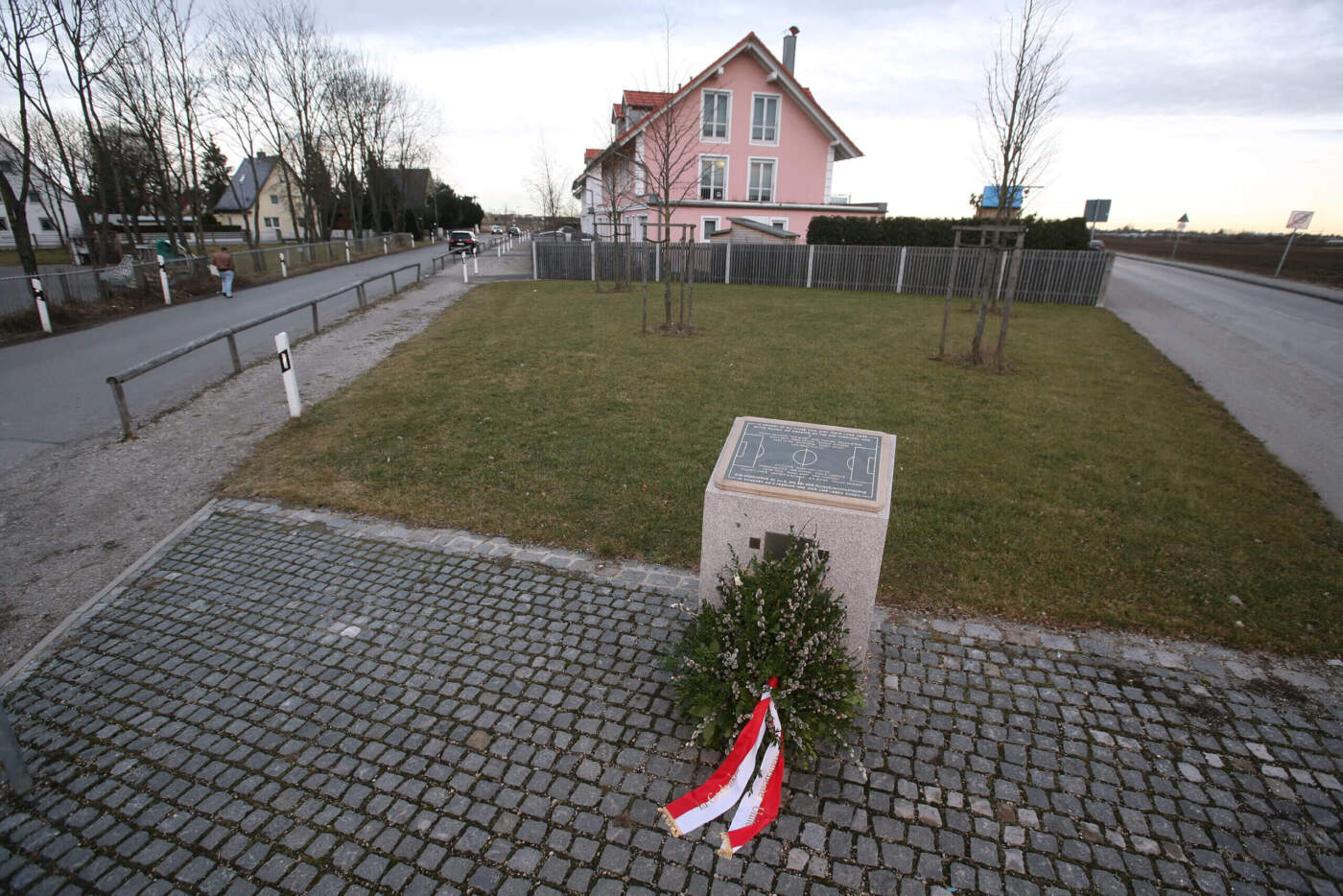
Today, the Munich Air Disaster is commemorated with memorials and annual remembrance services. The event shaped Manchester United’s identity and its ethos of resilience. The club goes on to honour the memory of the players, staff, and supporters lost in the tragedy. Fans continue to gather at the Munich memorial at Old Trafford, ensuring that the legacy of the Busby Babes lives on. The disaster serves as a poignant reminder of the challenges that athletes and clubs can face beyond the sports arena.
Conclusion
The Munich Air Disaster is a significant event not only in the context of football but also in the broader realm of sports and human history. As we remember the lives lost and those affected by this tragedy, we are also reminded of the resilience and unity that sports can inspire within communities. Future discussions about player safety, aviation standards, and mental health awareness in sports continue to evolve, building a safer environment for athletes and fans alike.