Introduction
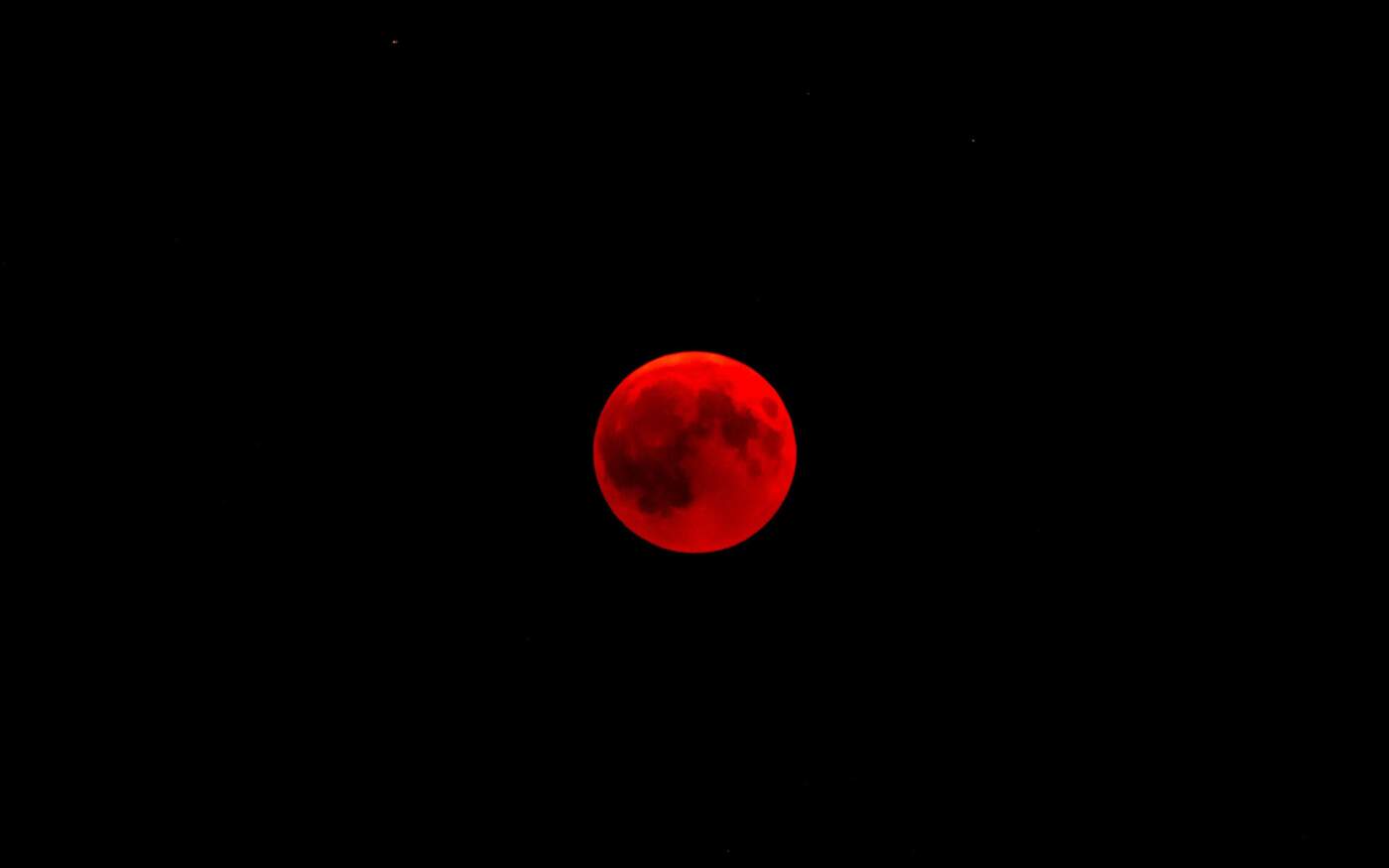
The phenomenon known as the crimson moon, often also referred to as a blood moon, has captured the attention of skywatchers and astronomers alike. This astronomical event occurs during a lunar eclipse when the Earth comes directly between the sun and the moon, casting a shadow that gives the moon a striking reddish hue. The crimson moon is not just a spectacle; it carries deep cultural significance and has been referenced in various mythologies throughout history.
Recent Events and Observations
This year, stargazers around the globe were treated to a breathtaking display of the crimson moon during the total lunar eclipse that occurred on November 8, 2022. The event was widely viewed across Europe, Asia, and North America, with millions tuning in to witness the celestial transformation live or through broadcasts. During the eclipse, the moon appeared to turn a deep red color, a result of Rayleigh scattering, similar to the way sunsets appear redder than when the sun is high in the sky.
A spokesperson for the Royal Astronomical Society stated, “Lunar eclipses are natural phenomena that remind us of the dynamic processes occurring in our solar system. The stunning spectacle of the crimson moon is not only scientifically interesting but also a moment of collective wonder for people around the world.” Hundreds of social media posts shared breathtaking images of the event, with many enthusiasts capturing the transition phases from bright white to a deep red.
Cultural Significance
The crimson moon has played a prominent role in various cultures and religions. To many Indigenous peoples of North America, for instance, the blood moon was seen as a time of change and reflection. In some cultures, it was associated with agricultural practices and was held to signal the time for harvest. The phenomenon has also been linked to apocalyptic scenarios in various religious texts, such as the Bible, where the redness of the moon is seen as a sign of impending change.
Conclusion
As the exploration of space continues and our understanding of celestial phenomena deepens, the crimson moon remains a captivating topic for both scientific and cultural discussions. Looking ahead, astronomers predict further lunar eclipses will occur in the coming years, offering opportunities for more public engagement with astronomy. The appeal of the crimson moon illustrates the profound connection between humanity and the cosmos, inviting us all to pause and marvel at the beauty above us.