Introduction
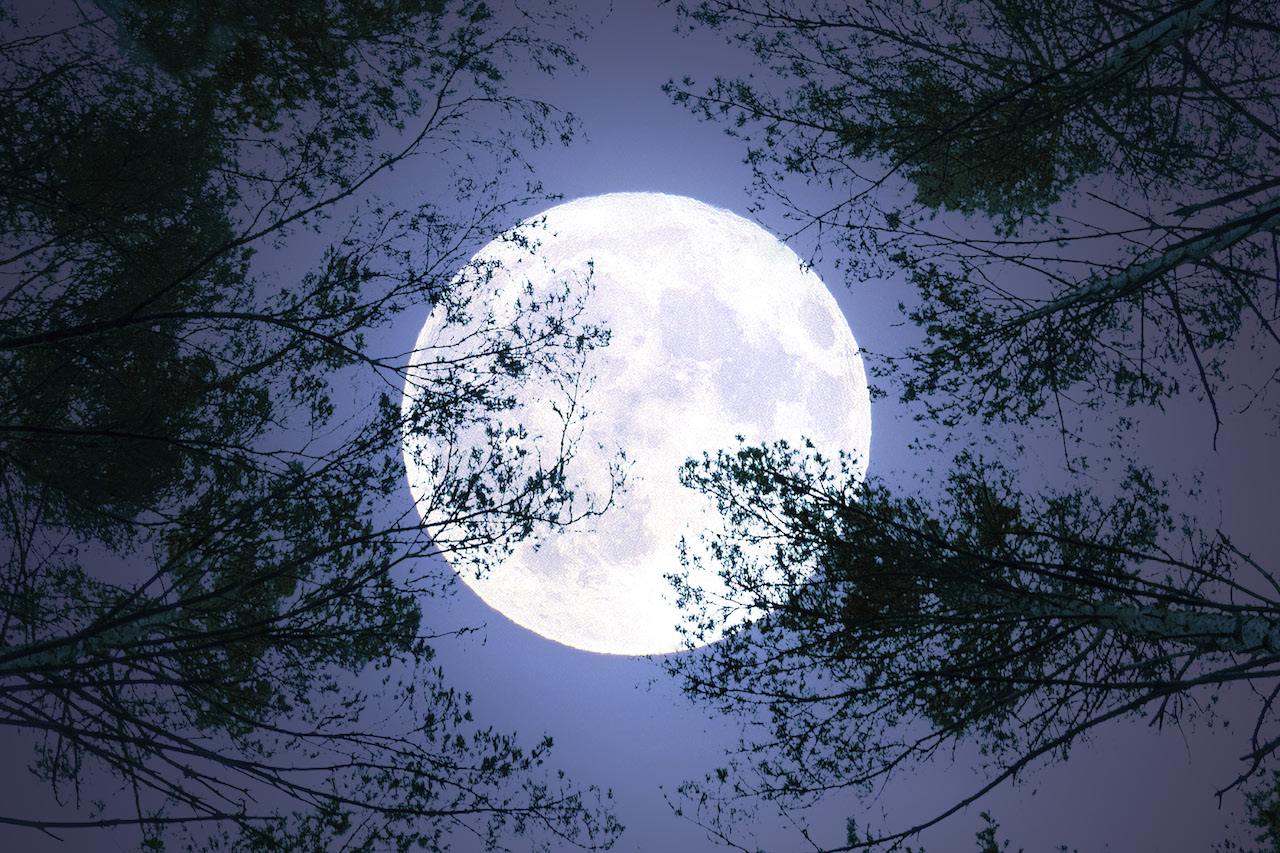
The term ‘blue moon’ has gained popularity in recent years, becoming a staple in conversations about unusual astronomical events. A blue moon refers to the second full moon within a single calendar month and is a rare occurrence, hence the phrase “once in a blue moon,” which signifies rarity. Understanding the blue moon is important for both amateur astronomers and the general public, as it highlights the wonders of our celestial interactions and can inspire interest in astronomy.
The Science Behind Blue Moons
Typically, a full moon occurs once every 29.5 days, which allows for 12 full moons per year. However, because some months have 30 or 31 days, roughly every two and a half to three years, there will be a month that hosts a second full moon. The last blue moon occurred on August 30, 2023, and the next predicted occurrence is on August 31, 2026.
Public Reaction and Cultural Significance
Every blue moon captures public imagination, often resulting in various festivals, photographs, and events to celebrate the rarity. Cultures around the world have historically assigned special meanings to a blue moon, reflecting its significance as an omen or a time for reflection. In modern times, it’s common for social media to buzz with images and observations of the phenomenon, connecting millions of viewers to a shared celestial experience.
Conclusion
The blue moon, while a scientifically fascinating event, serves as a reminder of the intricate dance of celestial bodies. Its rarity generates excitement and fosters appreciation for our universe. As we look ahead, the anticipation of future blue moons continues to capture hearts and minds alike. With each occurrence, it inspires enthusiasts to take a moment to gaze upward, perhaps igniting a lifelong passion for astronomy.