Introduction
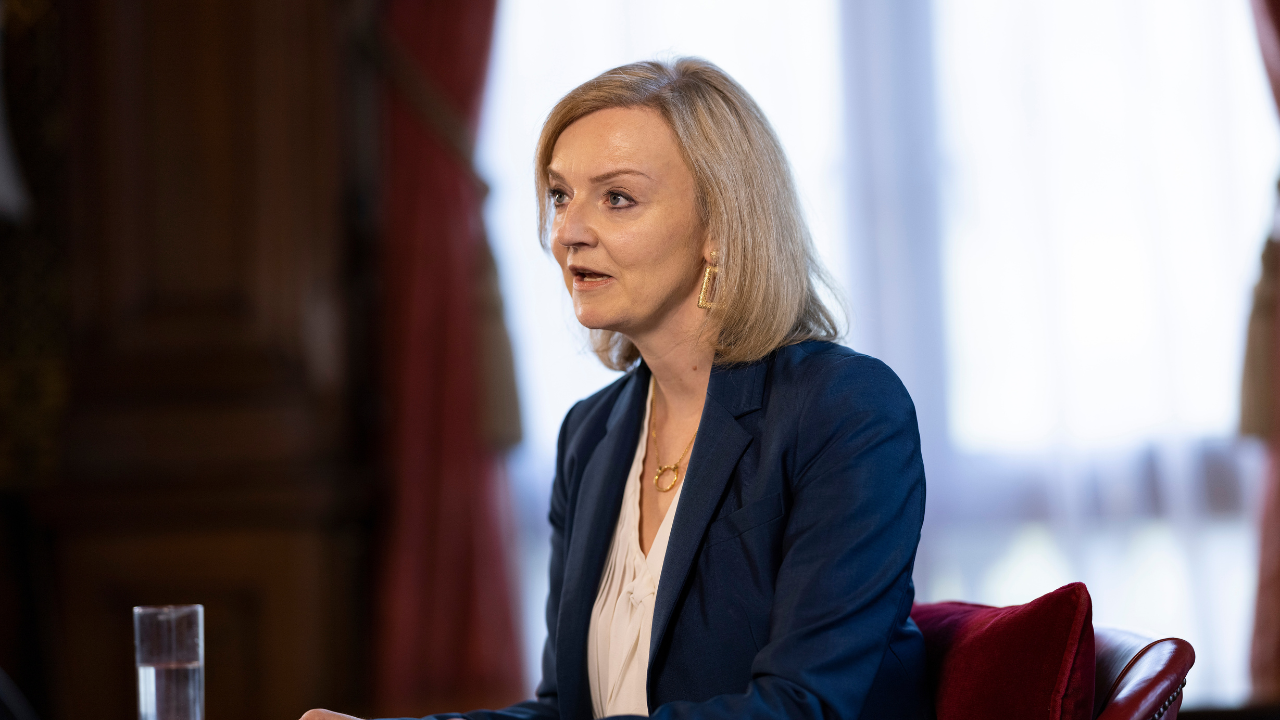
The recent resignation of Liz Truss as Prime Minister of the United Kingdom has sent shockwaves through the political landscape. Serving as the UK’s leader for only 49 days, her brief tenure is now seen as a critical moment in British politics, reflecting broader issues within the Conservative Party and eliciting discussions about economic policies, leadership stability, and party direction.
The Circumstances Leading to Her Resignation
Liz Truss assumed office in early September 2022, promising an ambitious economic agenda built on tax cuts, deregulation, and increased public spending. However, her plans met immediate backlash from financial markets, which reacted negatively to the proposed unfunded tax cuts. This instability contributed to a significant fall in the pound and rising borrowing costs, exacerbating public concern.
Criticism intensified within her party as the economic turmoil led to fears of a potential economic crisis. Reports suggested that members of her government lost confidence in her leadership abilities, with calls for her to resign amplifying after she dismissed her chancellor, Kwasi Kwarteng, who played a central role in her economic strategy.
The Aftermath and Political Implications
Truss’s resignation raises crucial questions about the future of the Conservative Party. With growing divisions and an apparent lack of direction, party members now face the challenge of uniting under new leadership. This internal strife may impact upcoming elections, especially as public sentiment shifts amid economic challenges and dissatisfaction with Westminster politics.
The rapid turnover of leadership may inhibit the government’s ability to implement long-term policies, resulting in uncertainty for businesses and voters alike. Some analysts contend that this period of instability could pave the way for the opposition Labour Party to gain ground, as the electorate becomes increasingly disillusioned with the current administration.
Conclusion
Liz Truss’s short-lived premiership serves as a case study in the delicate balance politicians must maintain between policy ambition and economic realism. The implications of her leadership will resonate in UK politics for the foreseeable future, pushing both the Conservative and Labour parties to reassess strategies heading into a potentially volatile electoral landscape. For voters and political observers, the developments in the coming weeks will be critical in understanding the trajectory of British governance.