Introduction
Since its launch in 2008, Spotify has revolutionised the way we consume music, offering streaming services that allow users to access millions of tracks at their fingertips. With over 500 million active users globally as of 2023, Spotify’s influence extends beyond just chart-topping playlists; it challenges traditional music distribution models and reshapes artist promotion. This article delves into Spotify’s significance in the music landscape today.
The Streaming Revolution
Spotify led the charge in the shift from physical music sales to digital streaming, providing a legal alternative to piracy that appealed to both consumers and artists. Music lovers can enjoy a vast library of songs for a monthly subscription, while Spotify’s free tier ensures that even those without disposable income can access music. This model not only caters to diverse audiences but also galvanises the music industry, driving record labels to adapt their strategies.
Impact on Artists
For many independent artists, Spotify offers an unprecedented platform to gain exposure. The system allows musicians to reach global audiences without the backing of a major label, shifting the power dynamics of the industry. Additionally, curated playlists play a crucial role in discovery, as songs featured on popular playlists can see a significant boost in streams and revenues. However, the system has its critics; many artists argue that the per-stream payout is insufficient, prompting discussions about fair compensation in the streaming era.
Recent Developments
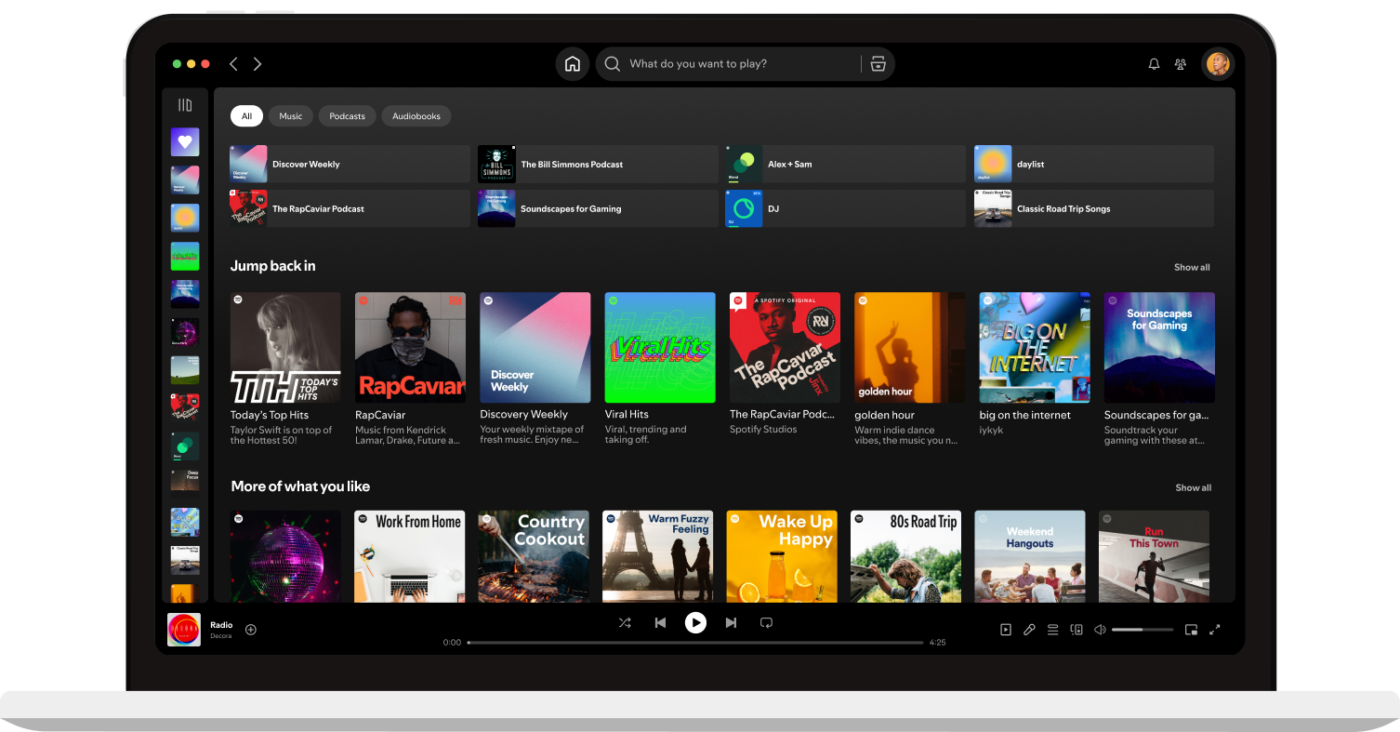
The introduction of Spotify Podcasts and the acquisition of exclusive content reflect the platform’s ambition to expand beyond music. In 2023, Spotify reported a notable increase in podcast listeners, showcasing the platform’s strategic pivot into audio content that could diversify its revenue streams. Moreover, with advancements in AI and personalisation technologies, Spotify continues to refine user experiences, offering tailored recommendations that keep listeners engaged.
Conclusion
Spotify’s journey from a fledgling startup to a dominant player in the music industry highlights a transformation that has reshaped how we access and appreciate music. As it continues to innovate amid challenges regarding artist compensation and market saturation, Spotify is set to remain a pivotal force in music’s future. The ongoing evolution of this platform will not only influence artists and labels but will ultimately shape the listening experiences of millions of music lovers worldwide.