Introduction
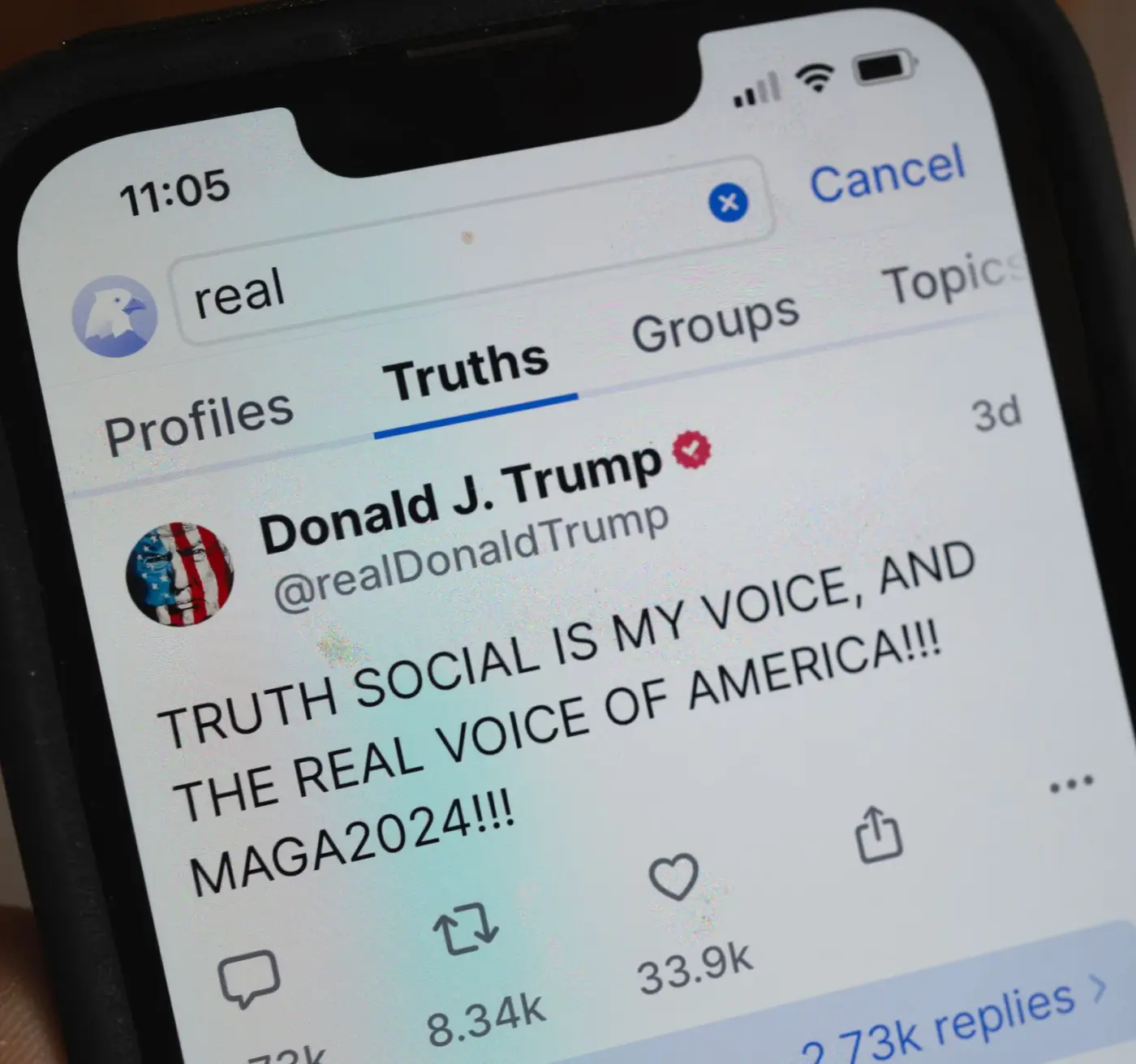
The emergence of Trump Truth Social marks a significant shift in the landscape of social media platforms. Launched in early 2022 by former President Donald Trump, the platform has garnered attention for its promise to provide a space free from censorship and to give voice to conservative viewpoints. The relevance of Truth Social is underscored by ongoing debates around free speech, the power of social media in politics, and the growing polarization within American society.
The Birth of Truth Social
Trump Truth Social was developed by Trump Media & Technology Group (TMTG), and it was created as a direct response to the deplatforming of Trump from major social media networks in the wake of the January 6 Capitol riot. With the aim of establishing a platform that supports the former president’s ideology and provides a haven for users who feel devalued by mainstream platforms, Truth Social offers features reminiscent of Twitter, allowing users to post updates, follow other accounts and engage in discussions.
User Reception and Current Status
Since its launch, Truth Social has experienced a mixed reception. The platform initially faced technical difficulties, including long wait times for users trying to join and issues surrounding its app on various devices. However, as these technical issues were gradually resolved, user interest spiked, particularly among Trump’s supporters. Recent reports from September 2023 indicate that Truth Social has over 2 million registered users, reflecting a growing base despite challenges in attracting a broader audience.
Political and Social Implications
The launch of Truth Social has significant implications for both the political landscape and the broader social media environment. Critics argue that it reinforces echo chambers, where users are predominantly exposed to homogeneous viewpoints. Proponents, on the other hand, assert that it fosters free speech and provides an alternative for users who are discontented with perceived liberal biases in mainstream platforms. As political divisions deepen in the United States, the role of such platforms in shaping discourse becomes more pronounced.
Conclusion
As Truth Social continues to evolve, it represents not just a platform for communication, but a potential catalyst for political mobilization among Trump’s base. The significance of the platform extends beyond numbers, offering insight into the shifting dynamics of social media and political engagement in today’s society. Looking ahead, the ability of Truth Social to maintain user interest and navigate potential regulatory challenges will be pivotal in determining its success and influence in the ever-changing digital landscape.