Introduction
Credit cards have become an essential component of modern consumer finance, offering individuals the flexibility to make purchases while enabling the management of personal budgets. As credit card usage continues to grow on a global scale, understanding the mechanisms, benefits, and potential pitfalls associated with credit cards is of paramount importance.
Understanding Credit Cards
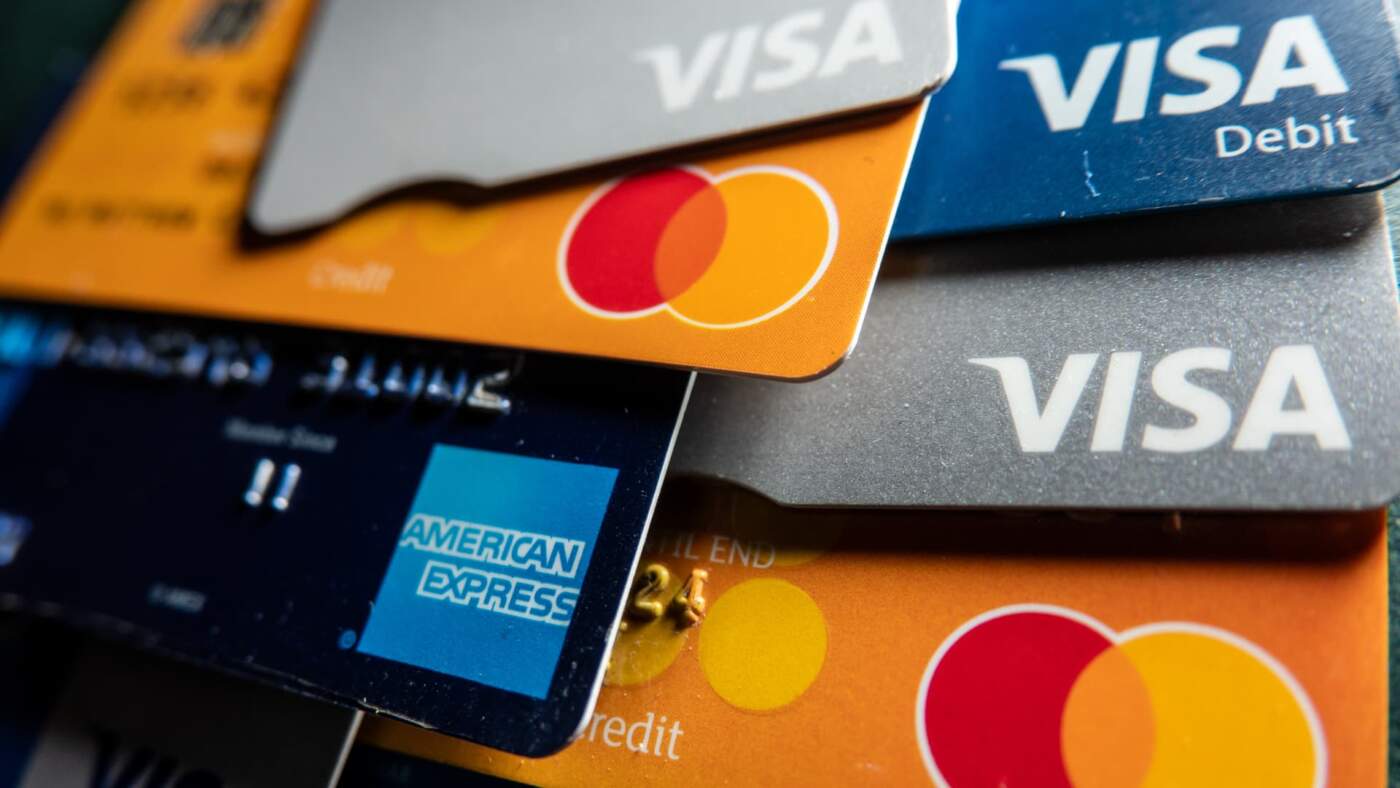
A credit card is a financial tool issued by a bank or financial institution, allowing cardholders to borrow funds to pay for goods and services. Credit cards come with established credit limits, which can increase as the cardholder builds creditworthiness. In the UK alone, there are over 60 million credit cards in circulation as of 2023, indicating the widespread reliance on this payment method.
Benefits of Credit Cards
One of the most notable advantages of credit cards is their ability to build credit history when used responsibly. Maintaining a low balance relative to the credit limit, making payments on time, and avoiding late fees can improve one’s credit score significantly.
Additionally, many credit cards offer rewards programs that enable users to earn points, cashback, or travel perks based on their spending. For instance, popular cards provide miles that can be redeemed for flights or accommodations, adding extra value for frequent travellers.
The Risks Involved
Despite their benefits, mismanagement of credit cards can lead to significant debt. High-interest rates on unpaid balances can accumulate quickly, making it crucial for cardholders to pay their bills in full whenever possible. In fact, the average credit card interest rate in the UK has hovered around 19% in 2023, which can lead to substantial repayment amounts if the balances are carried over month-to-month.
Current Trends and Outlook
The credit card market is also evolving with the introduction of innovative features such as contactless payments, mobile wallet compatibility, and enhanced security measures to protect against fraud. According to recent surveys, 75% of millennials favour contactless technology as it provides speed and convenience in their daily transactions.
Conclusion
For consumers, understanding the significance and functionality of credit cards is vital. While credit cards can offer financial flexibility and rewards, responsible usage and awareness of interest rates are crucial to safeguarding against potential debt. With ongoing developments in the credit industry, cardholders can expect greater benefits and technologies in the future, making informed choices more important than ever.