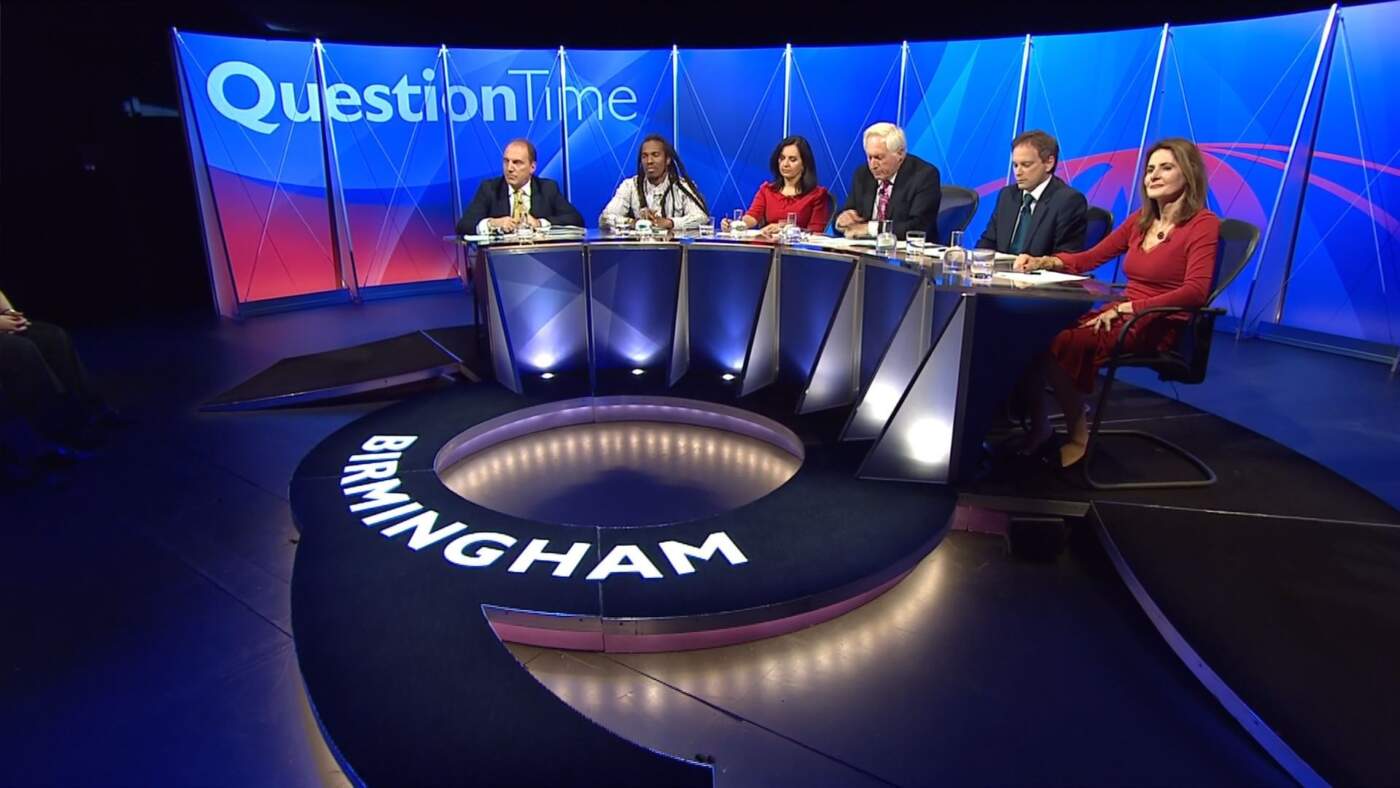
Introduction
Question Time is a cornerstone of parliamentary democracy in the United Kingdom, playing a critical role in the functioning of the government. It provides Members of Parliament (MPs) the opportunity to question government ministers, ensuring transparency and holding them accountable for their decisions. Regularly attended by the Prime Minister and various ministers, Question Time is essential for fostering democratic dialogue and public accountability.
The Format of Question Time
Question Time takes place weekly in the House of Commons, typically on Mondays, Wednesdays, and Thursdays. The Prime Minister is questioned during a specific session every Wednesday, drawing significant media attention and public interest. During these sessions, MPs can pose questions on a wide range of topics, from domestic issues to international relations, reflecting the immediate concerns of their constituents.
Each session is tightly timed, with MPs allowed a limited number of questions. Responses from ministers are often scrutinised, leading to insightful debates and exchanges that reveal government policies and initiatives. Notably, sessions are broadcast live, allowing citizens to engage with political processes and hold their representatives accountable.
Recent Developments
As of recent weeks, Question Time has highlighted various pressing issues, including government responses to the cost-of-living crisis, public health measures, and foreign policy concerns. The Prime Minister faced intense questioning regarding the government’s management of funding cuts in essential public services, showcasing the political tensions present within the current government. With the upcoming general elections on the horizon, such sessions have become even more pivotal as MPs seize the opportunity to either defend or question current leadership.
Conclusion
The significance of Question Time in UK politics cannot be overstated. It serves as an important mechanism for maintaining government accountability, facilitating the democratic process and enabling citizens’ voices to be heard through their elected representatives. As political dynamics continue to evolve, Question Time remains a critical forum for debate and scrutiny, with its outcomes often influencing public perception and voter sentiment in the lead-up to elections. Given the pressing challenges facing the nation, the future of Question Time will likely shape the political landscape for years to come.