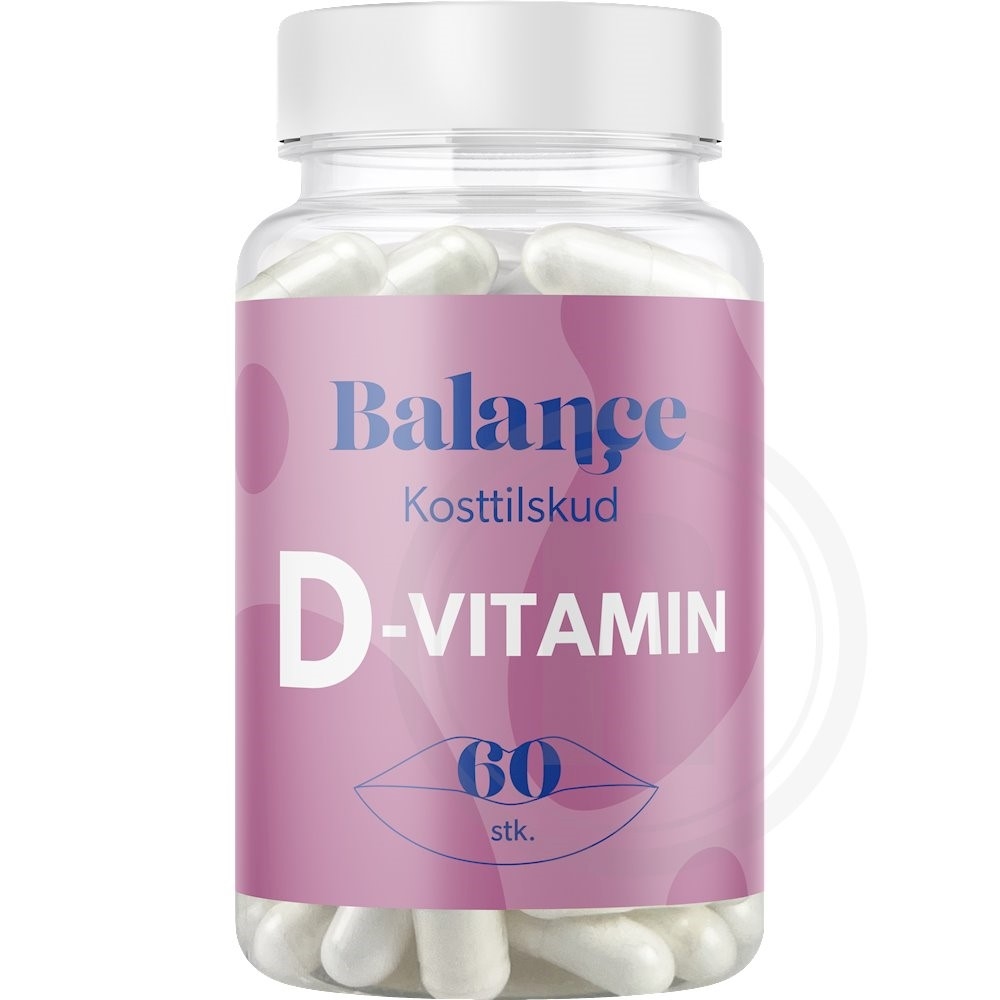
Introduction to Vitamin D
Vitamin D, often referred to as the sunshine vitamin, is a fat-soluble vitamin that plays an essential role in maintaining bone health, supporting immune function, and regulating mood. Its significance has been brought to the forefront in recent years, particularly as research continues to unveil its wide-ranging impact on overall health. Recent studies have indicated potential links between vitamin D deficiency and various health issues, making it a pressing topic for health professionals and the public alike.
Key Sources of Vitamin D
Vitamin D can be obtained through various sources. The skin synthesises vitamin D upon exposure to sunlight, which is one of the primary means for many individuals to meet their daily requirements. Additionally, certain foods are rich in vitamin D, including fatty fish like salmon and mackerel, fortified dairy products, and egg yolks. For individuals with limited sun exposure, such as those living in northern latitudes or working indoors, supplements can help bridge the gap.
Recent Findings on Vitamin D
Recent research has shed light on the potential benefits of adequate vitamin D levels. A significant study published in the Journal of Clinical Endocrinology & Metabolism revealed that individuals with higher levels of vitamin D had a lower risk of developing chronic illnesses, including cardiovascular diseases and certain cancers. Additionally, vitamin D is suggested to play a role in mood regulation, with some studies linking low levels of vitamin D to an increased risk of depression.
Despite these findings, a considerable portion of the population remains deficient. According to the National Health Service (NHS), about 1 in 5 adults in the UK have low levels of vitamin D, particularly during winter months when sunlight exposure is limited.
Conclusion: The Future of Vitamin D Research
The implications of vitamin D for public health are significant. As researchers continue to explore its effects on both physical and mental health, awareness regarding vitamin D deficiency and supplementation will likely grow. It is advisable for individuals to consult healthcare professionals regarding their vitamin D levels, particularly for at-risk groups. With increasing evidence supporting the health benefits of vitamin D, ensuring adequate levels can be a proactive step towards better health.