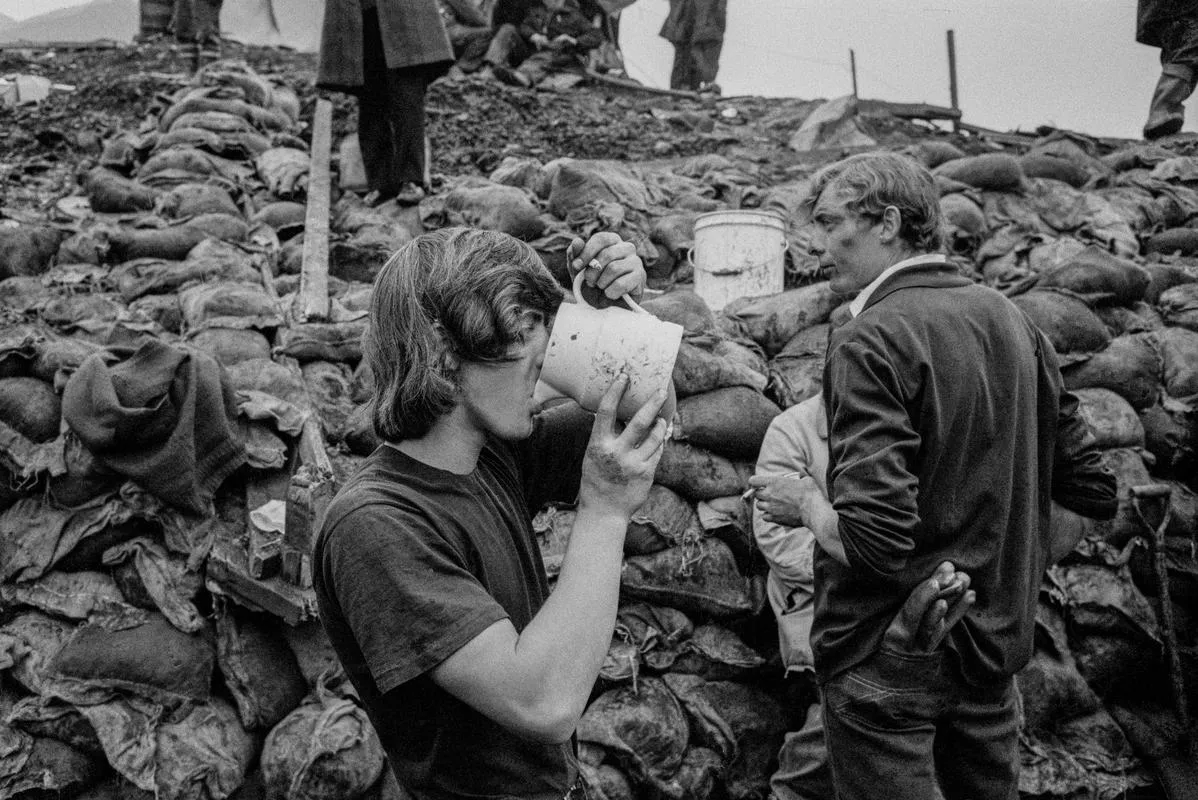
Overview of the Aberfan Disaster
On the morning of October 21, 1966, the village of Aberfan was bustling with activity as children prepared for the final day of school before the half-term break. However, unbeknownst to them, a catastrophic event was about to unfold.
A Disaster Decades in the Making
The roots of the Aberfan tragedy can be traced back to 1916, when the nearby Merthyr Vale Colliery ran out of space to dispose of its waste. Consequently, mine waste was deposited on the mountainside above the village, leading to the construction of seven large spoil tips over the years. By 1966, only Tip 7 remained active, and it was built over natural underground springs, rendering it dangerously unstable.
In the days leading up to the disaster, heavy rainfall saturated the tip, transforming the coal waste into a dense slurry. Despite residents’ warnings about the potential dangers, their concerns were largely ignored by the authorities.
The Collapse
Just before 7:00 am on that fateful day, Tip 7 began to shift. Witnesses reported a deep rumble akin to thunder as the saturated tip collapsed around 9:15 am, releasing approximately 140,000 cubic yards of liquefied coal waste. This torrent of debris swept through the village, devastating homes, schools, and lives.
Ongoing Remembrance and Impact
The Aberfan disaster claimed the lives of 144 people, including 116 children, and left an indelible mark on the community and the nation. The tragedy has remained a poignant reminder of the consequences of negligence and the importance of heeding safety warnings. Today, Aberfan is often revisited in discussions about mining safety and disaster preparedness, ensuring that the lessons learned from this tragedy are not forgotten.