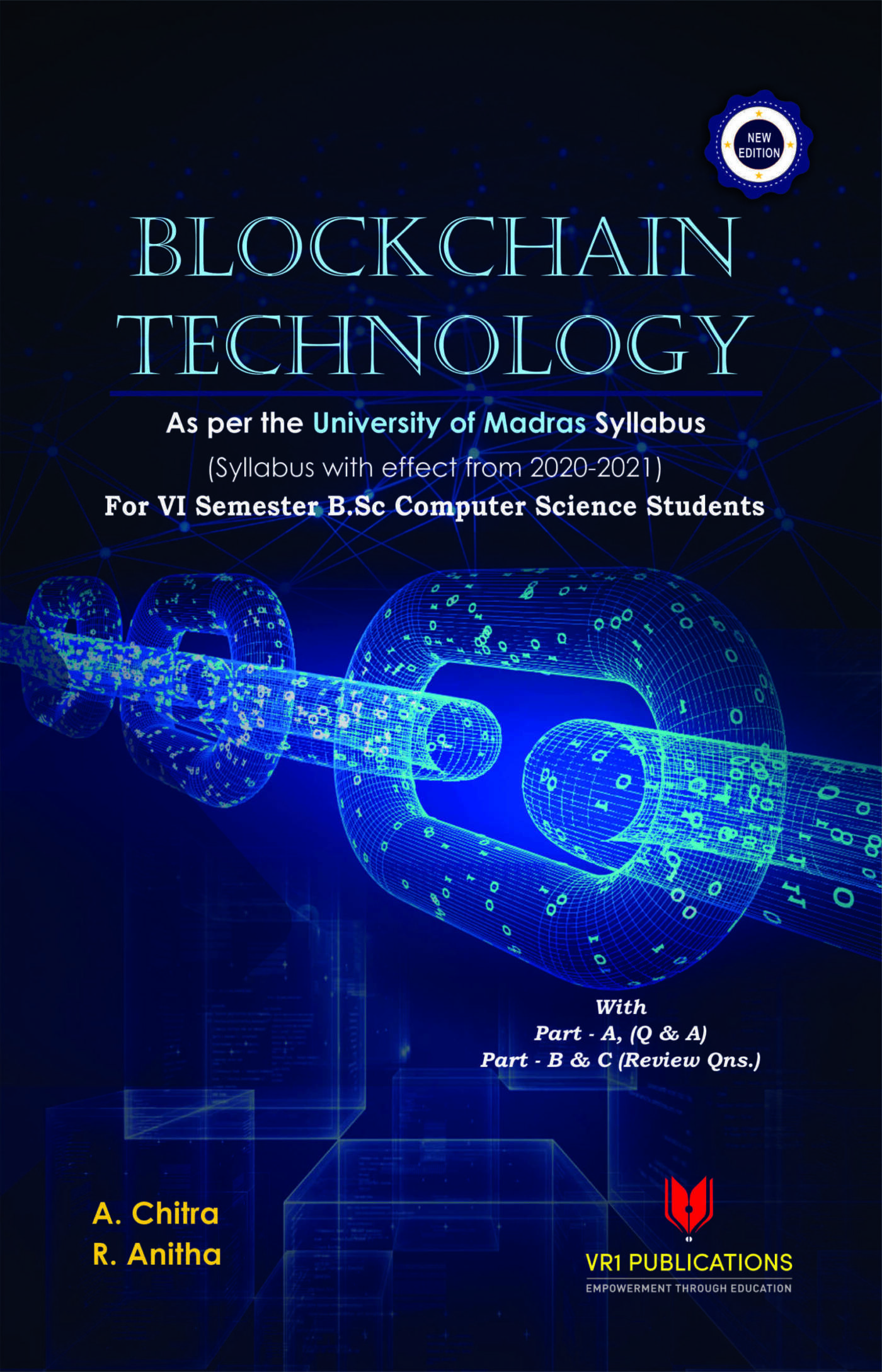
Introduction to Blockchain Technology
Blockchain technology has emerged as one of the most significant innovations of the 21st century. Originally created to support cryptocurrency transactions, its potential applications extend far beyond financial services. Today, blockchain is revolutionising industries, enhancing transparency, security, and efficiency in various sectors, making it a topic of paramount importance for both businesses and IT professionals.
How Blockchain Technology Works
At its core, blockchain is a decentralised digital ledger that records transactions across many computers in a way that the registered transactions cannot be altered retroactively. This unique structure ensures higher security and transparency, crucial aspects in an era where data integrity is paramount.
Recent Developments in Blockchain
As of 2023, we are witnessing a surge in the adoption of blockchain technology across sectors such as finance, healthcare, and logistics. According to a recent report from Gartner, over 80% of enterprises are expected to adopt blockchain technology by 2025, demonstrating a shift towards decentralised solutions aimed at improving operational efficiencies. Companies like IBM, Microsoft, and even traditional banks are investing heavily in blockchain projects, collaborating to build robust infrastructures that leverage this technology.
Blockchain in Finance
The financial sector is among the most affected by blockchain technology’s rise. With decentralised finance (DeFi) platforms gaining popularity, traditional banking systems are being challenged to adapt to this new reality. These platforms not only offer financial services without intermediaries but also provide greater accessibility to underbanked populations, further driving the technology’s relevance.
Impact on Other Industries
Beyond finance, blockchain is making strides in healthcare by enabling secure sharing of patient data that respects privacy without compromising accessibility. Additionally, in supply chain management, blockchain assists in tracking products’ journey from origin to consumer, ensuring authenticity and reducing fraud.
Challenges Ahead
Despite its potential, blockchain technology faces challenges including scalability, regulatory uncertainties, and the environmental impact of energy-intensive blockchain networks. Addressing these issues is crucial for its widespread adoption.
Conclusion
In conclusion, blockchain technology is poised to significantly alter the business landscape in the coming years. Its ability to provide secure, transparent, and efficient solutions across various sectors makes it a critical area of interest for organisations worldwide. As developments continue and challenges are addressed, the potential for blockchain to reshape different industries expands, indicating that its relevance will only grow in the future.