What the data shows
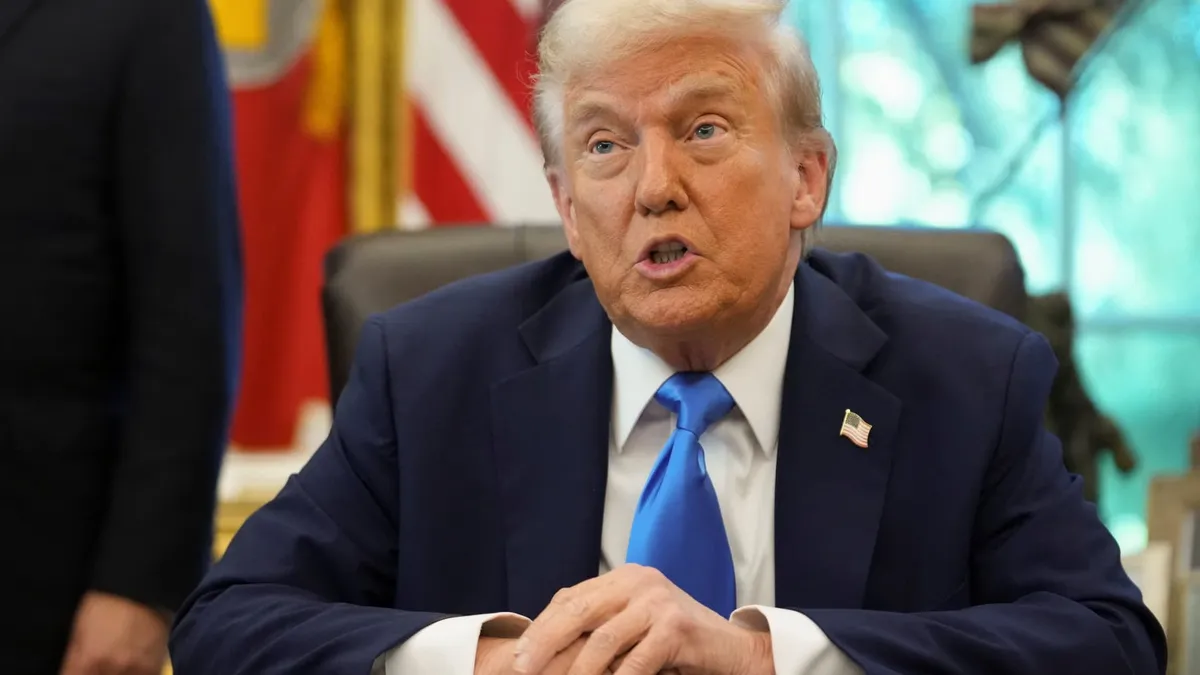
The recent military actions in Tehran raise a pressing question: How has Donald Trump’s involvement influenced the ongoing conflict with Iran? The answer is multifaceted, revealing a complex interplay of military strategy, political maneuvering, and humanitarian crises. As tensions escalate, the situation remains precarious, with significant implications for both regional stability and global energy markets.
On March 23, 2026, the Israeli military launched a new wave of strikes on Tehran, coinciding with Trump’s decision to pause U.S. attacks on Iranian energy infrastructure. This pause, however, was temporary; Trump extended his deadline to strike Iran’s power plants by five days, citing “very good and productive conversations” with Tehran. This strategic delay has raised eyebrows and questions about the effectiveness of diplomatic efforts amidst ongoing military operations.
The Israeli Defense Forces (IDF) have reported substantial military successes, claiming to have destroyed or rendered inoperable approximately 330 of Iran’s estimated 470 ballistic missile launchers since the conflict began. Yet, the human cost has been staggering. Reports indicate that at least six individuals were killed in strikes on homes in Tabriz city, contributing to a total fatality count in Iran that has surpassed 1,500, with some human rights groups estimating figures as high as 3,230 as of March 21.
In the backdrop of these military actions, the humanitarian situation continues to deteriorate. The U.S.-based Human Rights Activists News Agency reported at least 206 attacks across 15 provinces in Iran within just 24 hours, resulting in at least four casualties. Disturbingly, 15% of the total human casualties in Iran are reported to be under the age of 18, highlighting the devastating impact of the conflict on the youngest and most vulnerable populations.
As the conflict unfolds, Trump has publicly called on the Iranian people to rise up against their religious dictatorship, a statement that resonates with some but also raises concerns about the potential for further violence and instability. The international community watches closely, particularly as the International Energy Agency warns of an impending energy crisis that could rival the oil crises of 1973 and 1979, compounded by the ramifications of Russia’s 2022 invasion of Ukraine.
In the political arena, public sentiment toward Trump appears to be shifting, with Labour leader Keir Starmer capitalizing on the growing discontent. Starmer’s judgment day is set for May 7, amid concerns about Labour’s performance in upcoming elections. The political landscape in the UK is intricately tied to the developments in Iran, as public disgust at Trump’s actions may influence voter sentiment.
As the situation evolves, the IDF has stated it will continue operations in Iran according to Israeli government directives, leaving many to wonder what the next steps will be. The potential for escalation remains high, and details remain unconfirmed regarding the long-term implications of these military actions on both regional stability and international relations.
In summary, the conflict involving Trump and Iran is not just a military issue; it is a humanitarian crisis that demands urgent attention. The interplay of military strategy, political maneuvering, and the dire humanitarian situation underscores the complexity of the conflict and the need for a comprehensive approach to resolve it.