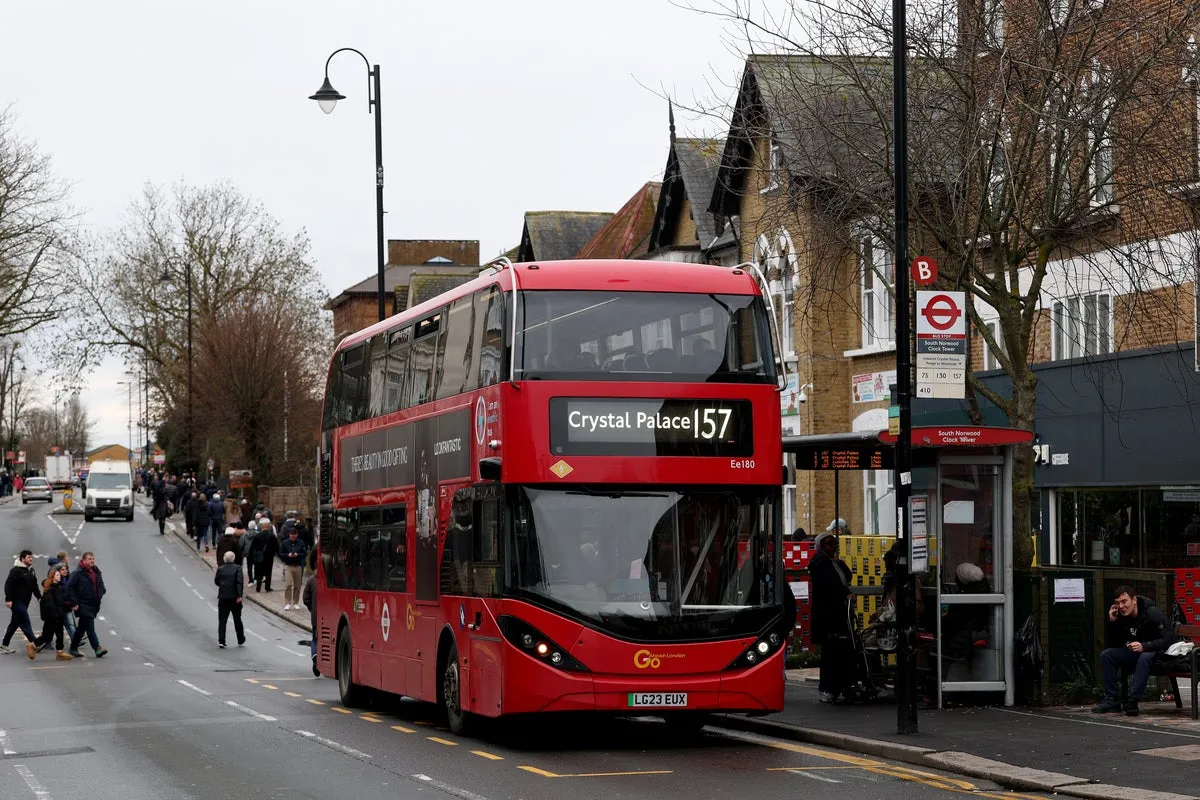
The recent tube strike in London has seen a significant development as the RMT union has suspended planned walkouts after constructive negotiations with Transport for London (TfL). This decision comes as a relief to many commuters who rely on the underground system for their daily travels.
Initially, two strikes were scheduled for next week, but the RMT’s progress in talks has led to their cancellation. However, it is important to note that members of the RMT are still set to strike for two days in April, May, and June, indicating that the situation remains fluid.
Sharon Graham, General Secretary of the RMT, highlighted the ongoing disputes over working hours, stating, “Our hardworking members at TfL do an important role in keeping bus passengers safe and services running well, but they have been rewarded with rota changes that will severely impact their work/life balance and even leave them at risk of being disciplined for a situation not of their control.” This sentiment underscores the challenges faced by transport workers amid ongoing negotiations.
In the discussions, the RMT has been advocating for a maximum of 32 hours’ work per week, while TfL proposed a 35-hour four-day work week. The RMT will continue to negotiate with London Underground management regarding this four-day working week, aiming for a resolution that serves the interests of its members.
Meanwhile, Unite, another union, is balloting its members for industrial action over rosters, with the ballot closing on April 13. This adds another layer of complexity to the ongoing negotiations within London’s transport sector.
London’s Labour Mayor, Sir Sadiq Khan, expressed optimism about the recent talks, stating, “I’m glad talks have been constructive and both sides continue to work towards a resolution.” His comments reflect a desire for stability within the transport system, which is crucial for the city’s functioning.
Nick Dent from TfL also welcomed the suspension of the planned industrial action, saying, “We are pleased that RMT has suspended its planned industrial action between Tuesday 24 March and Friday 27 March.” This indicates a willingness from both sides to engage in dialogue and find common ground.
Despite the positive developments, uncertainties remain. Details remain unconfirmed regarding the specific steps taken by London Underground management that led to the suspension of strikes. Additionally, the exact nature of the proposed changes to the rota by TfL has not been fully detailed.
As the situation evolves, commuters and transport workers alike will be watching closely for further updates on this critical issue affecting London’s transport network.