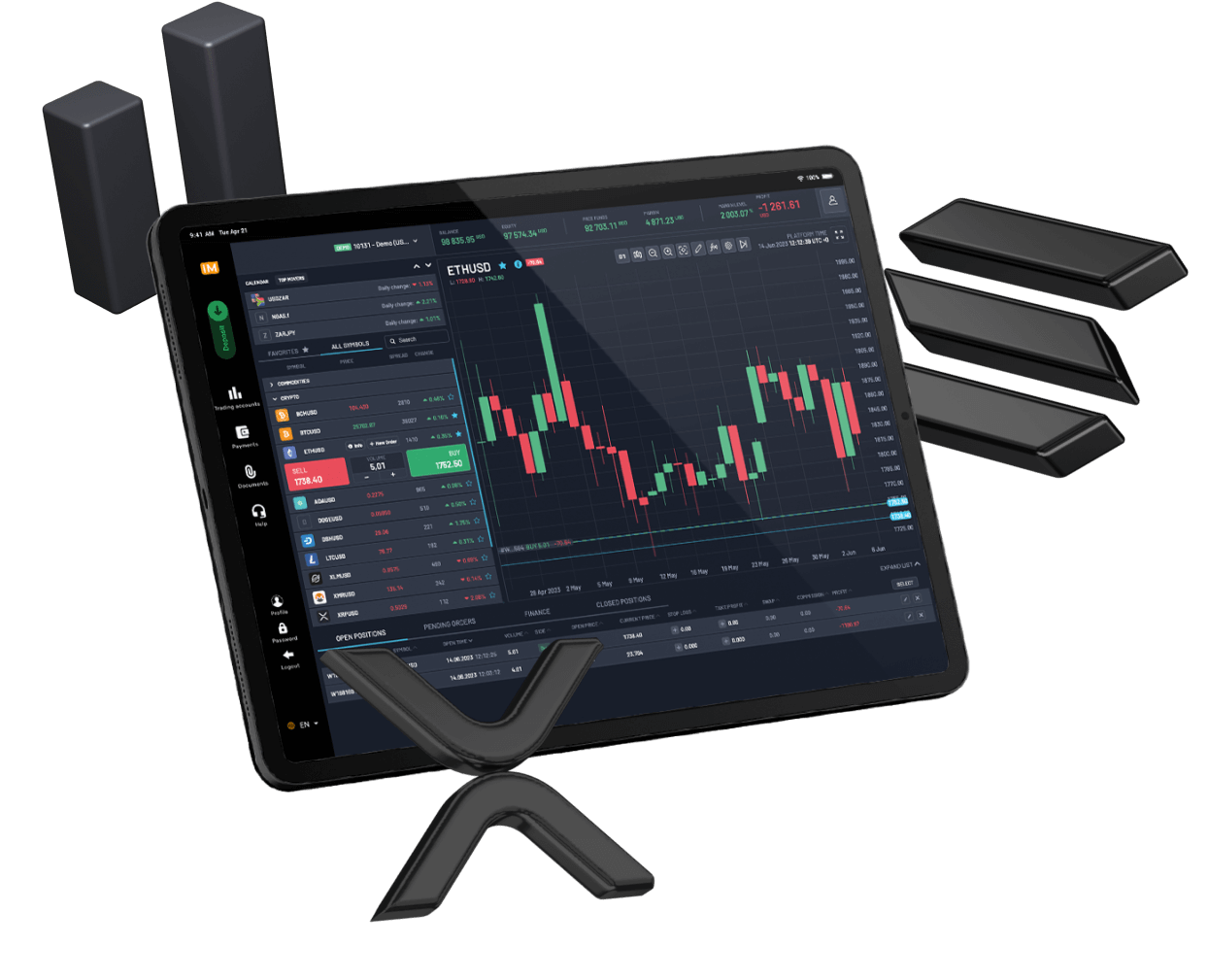
The Rise of Cryptocurrency Trading
In recent years, cryptocurrency trading has emerged as a significant aspect of the global financial landscape, capturing the attention of both investors and regulators. Its importance lies not only in the growing value of digital assets but also in how they influence economic discussions and monetary policy worldwide. As cryptocurrencies continue to gain traction, understanding the intricacies of trading them becomes paramount for those looking to enter this volatile market.
Current Trends in Cryptocurrency Trading
As of late 2023, the cryptocurrency market has seen intense fluctuations. Bitcoin, the largest cryptocurrency by market capitalization, has demonstrated resilience, trading around $35,000. This price reflects a surge following market corrections earlier in the year, amid positive regulatory news and increasing institutional adoption. Furthermore, Ethereum continues to evolve, with its shift to a proof-of-stake model drawing attention and utilisation in decentralized finance (DeFi).
New trends in cryptocurrency trading are also emerging. The popularity of decentralized exchanges (DEXs) is on the rise as traders seek more privacy and control over their assets. In addition, platforms that offer automated trading through algorithms and artificial intelligence are gaining ground, attracting those who prefer a more hands-off approach. These changes reflect an ongoing shift towards a more sophisticated trading environment.
Regulatory Developments and Their Impact
On the regulatory front, various nations are grappling with how to approach cryptocurrency trading. In October 2023, the European Union’s Markets in Crypto-Assets Regulation (MiCA) was passed, setting a framework that aims to protect investors while fostering innovation. Similarly, the U.S. Securities and Exchange Commission (SEC) has been active in providing clearer guidelines, with ongoing discussions about various cryptocurrencies being classified as securities. These developments are crucial, as they can significantly influence market stability and investor confidence.
The Future of Cryptocurrency Trading
Looking ahead, experts anticipate that cryptocurrency trading will continue to evolve, driven by technological advancements and regulatory clarity. The development of more secure and user-friendly platforms is expected to facilitate greater participation from retail investors. Analysts predict that we may see an increased integration of cryptocurrencies into traditional financial systems and a broader acceptance of various digital currencies as payment methods.
Conclusion
In conclusion, cryptocurrency trading is becoming more than just a trend; it’s a transformative aspect of the financial world. For investors, understanding the market dynamics, staying informed about regulatory changes, and adapting to technological innovations will be crucial for success in this ever-changing landscape. As the industry matures, the prospects of cryptocurrency trading could reshape our understanding of currencies and investments in the years to come.