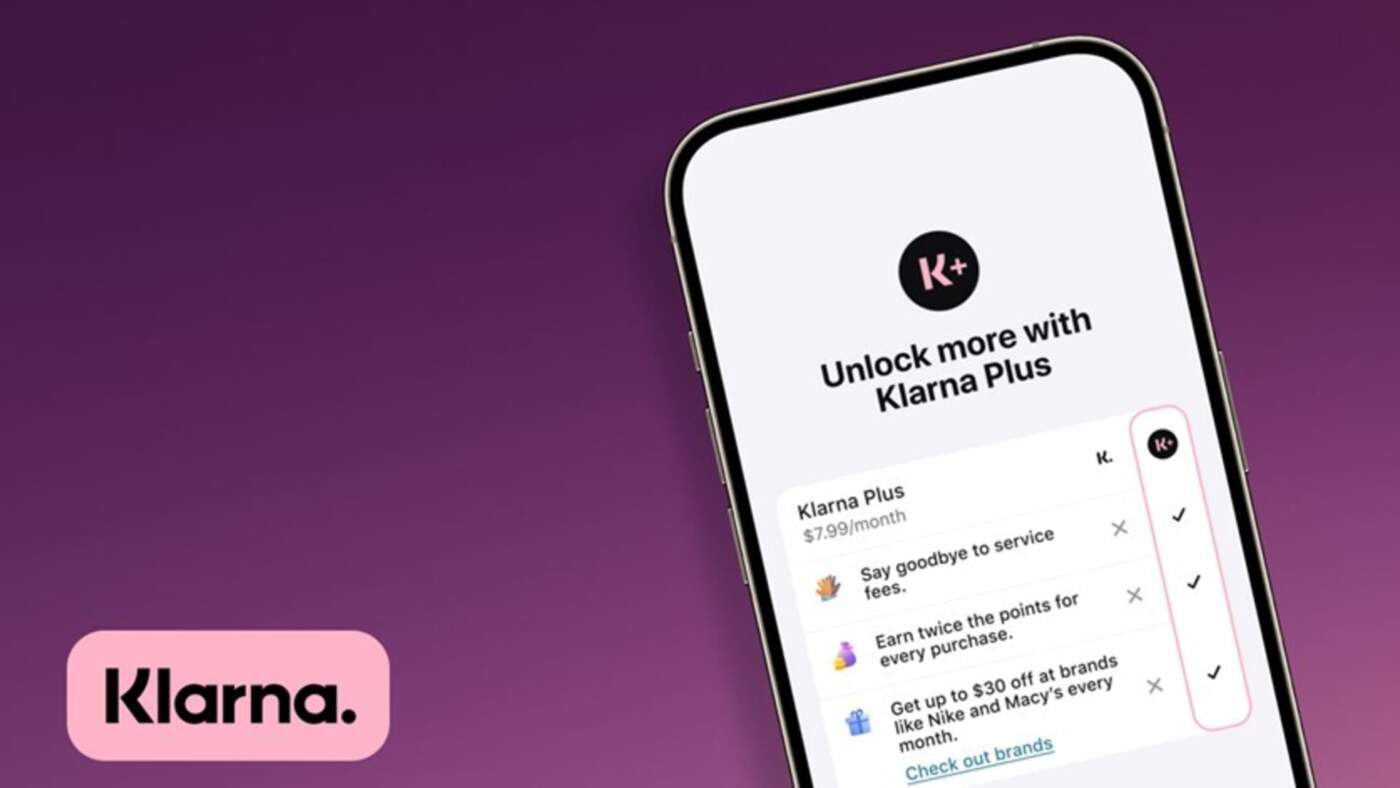
Introduction to Klarna
Klarna, a Swedish fintech company founded in 2005, has revolutionised the online shopping experience by offering flexible payment solutions. With its Buy Now, Pay Later (BNPL) model, Klarna allows consumers to make purchases without immediate financial commitment, enhancing convenience and accessibility in e-commerce.
Recent Developments
The company has seen remarkable growth, now partnering with over 250,000 retailers globally, including notable brands such as H&M, ASOS, and Expedia. In recent months, Klarna has expanded its services to include a comprehensive app that consolidates payment options and promotes exclusive offers, further driving engagement and customer loyalty. This strategic shift responds to the increasing preference for seamless digital payments as consumers adapt to the growing trend of online shopping.
Moreover, Klarna’s commitment to consumer financial responsibility has been underscored by incorporating features like spending limits and payment reminders into its app, aimed at preventing overspending. It is also integrating additional payment methods such as direct debit, catering to diverse user preferences.
Klarna’s Impact on Retail
Retailers have leveraged Klarna’s services to boost conversion rates and reduce cart abandonment, a critical challenge in e-commerce. A recent study revealed that businesses using Klarna’s payment solutions reported a 30% increase in average order value. This is attributed to customers feeling empowered to make purchases without the immediate pressure of payment.
Challenges and Future Outlook
Despite its successes, Klarna faces significant scrutiny regarding the BNPL model, particularly regarding consumer debt. Regulatory bodies have initiated inquiries into the transparency and fairness of these payment options, as rapid growth can lead to unanticipated financial strain on consumers.
Looking ahead, Klarna plans to diversify its service offerings, particularly in the realms of personal finance and digital banking. By continuing to innovate and respond to consumer needs, Klarna aims to solidify its position as a leader in payment solutions while maintaining responsible lending practices.
Conclusion
The evolution of Klarna exemplifies the shifting landscape of payment solutions in retail. As it continues to expand and adapt, both consumers and retailers will benefit from the flexibility and convenience it provides. For readers, staying informed about such trends can lead to more informed choices about payment methods and financial management in an increasingly digital marketplace.