Introduction
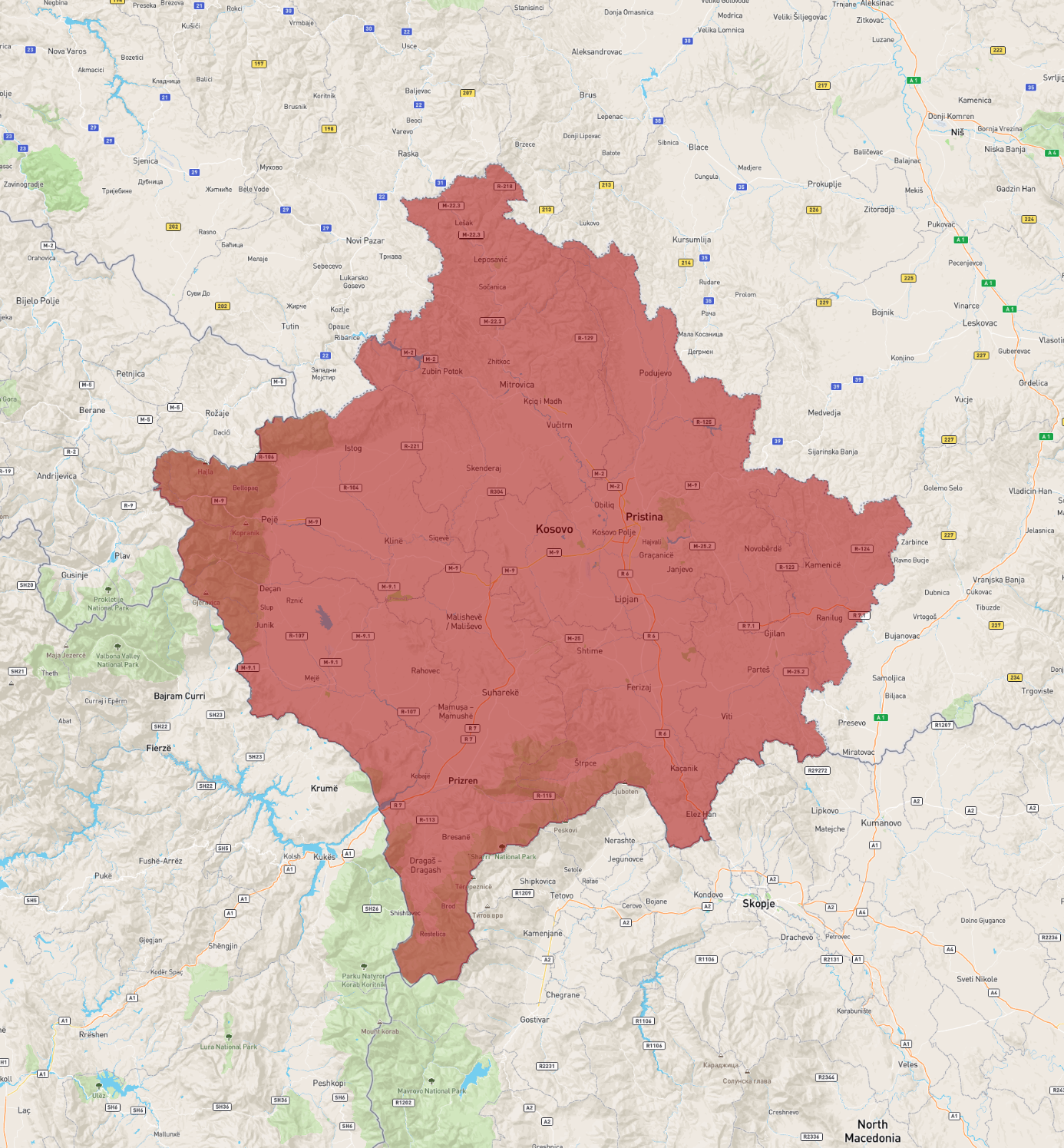
Kosovo, a landlocked country in Southeast Europe, has been at the centre of geopolitical discussions and regional development for decades. Since declaring independence from Serbia in 2008, it has experienced significant political and economic changes, making it a significant point of interest for international observers and investors alike. Understanding Kosovo’s current landscape is crucial for grasping its potential for growth and stability in the Balkans.
Current Developments in Kosovo
In recent months, Kosovo has witnessed a series of political and social movements aimed at strengthening its governance and improving economic conditions. The government led by Prime Minister Albin Kurti has focused on anti-corruption measures and enhancing public services, which have gained positive responses from international partners. Additionally, Kosovo has been working on building stronger ties with the European Union, with ongoing discussions about a potential integration process.
Furthermore, Kosovo’s economy is showing signs of resilience, bouncing back after the disruptions caused by the COVID-19 pandemic. According to the Kosovo Agency of Statistics, GDP growth for 2023 is projected at 4.5%, driven by increased consumption and investments in infrastructure. The country has also ramped up its efforts to attract foreign direct investment (FDI), with various incentives offered to businesses willing to set up operations in Kosovo.
Significance of Kosovo’s Journey
The developments in Kosovo are of paramount importance not just within its borders but also for the broader Balkan region. The stability and economic growth of Kosovo can have a ripple effect, impacting neighbouring countries and contributing to regional peace. As Kosovo navigates its international standing, the support from major entities like the EU and NATO will be essential in ensuring sustainable progress.
Moreover, the young demographic of Kosovo, with approximately 50% of its population under 30, represents a dynamic workforce that could drive future innovations and economic prosperity. Educational reforms and vocational training are currently in focus, aiming to harness the potential of this youthful population.
Conclusion
In conclusion, Kosovo’s position in the heart of Europe as a developing country on the path towards stability and growth is vital not only for its citizens but also for regional dynamics. The ongoing reforms, increased foreign investments, and the commitment to integration into the European Union suggest a promising future for this Balkan nation. As stakeholders continue to support Kosovo’s journey, its evolution will be a significant factor in achieving long-term peace and prosperity in the region.