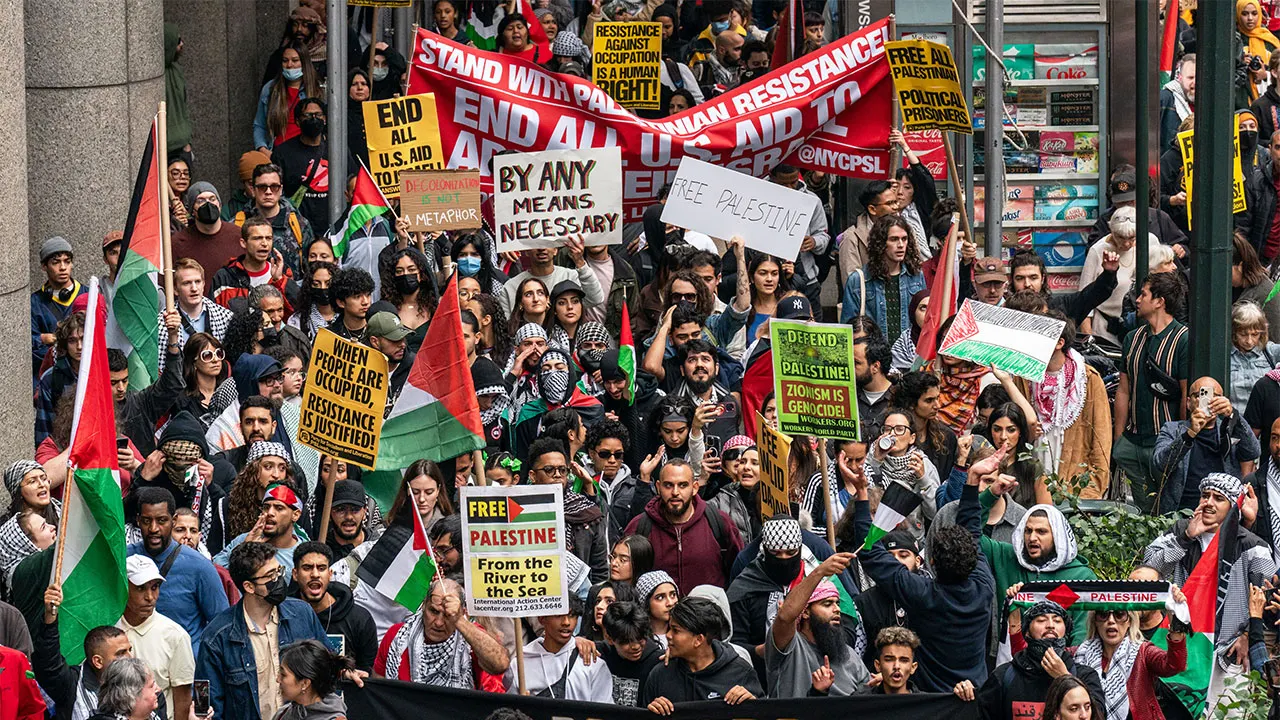
Introduction to Palestine Action
In recent years, Palestine Action has emerged as a pivotal grassroots movement in the UK, advocating for Palestinian rights and challenging institutions that support Israeli actions in Palestine. This activism is particularly relevant today, as discussions surrounding the Israel-Palestine conflict gain momentum on global platforms, igniting passionate debates on justice, human rights, and international law.
Background of Palestine Action
Formed in 2020, Palestine Action focuses on direct action to make a tangible impact regarding the UK’s complicity in the occupation of Palestine. The group has orchestrated various protests and campaigns against companies and entities that they argue contribute to the oppression of Palestinians, including Manchester-based Elbit Systems, a military contractor known for developing drone technology used in Israeli airstrikes.
Key Actions and Campaigns
Palestine Action has employed a variety of tactics, including protests, sit-ins, and property damage to raise public awareness. Notably, they have claimed responsibility for targeting companies linked with arms production and other forms of military support to Israel. Their radical approach has sparked controversy, receiving both support and criticism across the political spectrum. For example, in 2022, they occupied the headquarters of a prominent arms manufacturer, leading to several arrests and highlighting the ongoing struggle for Palestinian rights.
Broader Impact and Reactions
The group’s actions have reignited discussions on the ethics of arms trading and the role of the UK in international conflicts. Many supporters view Palestine Action as a necessary force for change, drawing attention to the plight of Palestinians and urging the government to cease arms trade with Israel. Conversely, detractors argue that the group’s tactics undermine legitimate discourse and could polarise the debate further.
Conclusion: Future of Palestine Action
As the Israel-Palestine conflict continues to evolve, Palestine Action’s influence within the UK and beyond will likely persist. Their ability to mobilise grassroots support and challenge established narratives around the conflict speaks to the escalating importance of activism in the face of social injustices. The future of this movement may shape how Western governments engage with the issues in the Middle East, possibly fostering a broader discourse on human rights and accountability. For readers, staying informed about such movements could be imperative as society grapples with these complex global issues.