Introduction
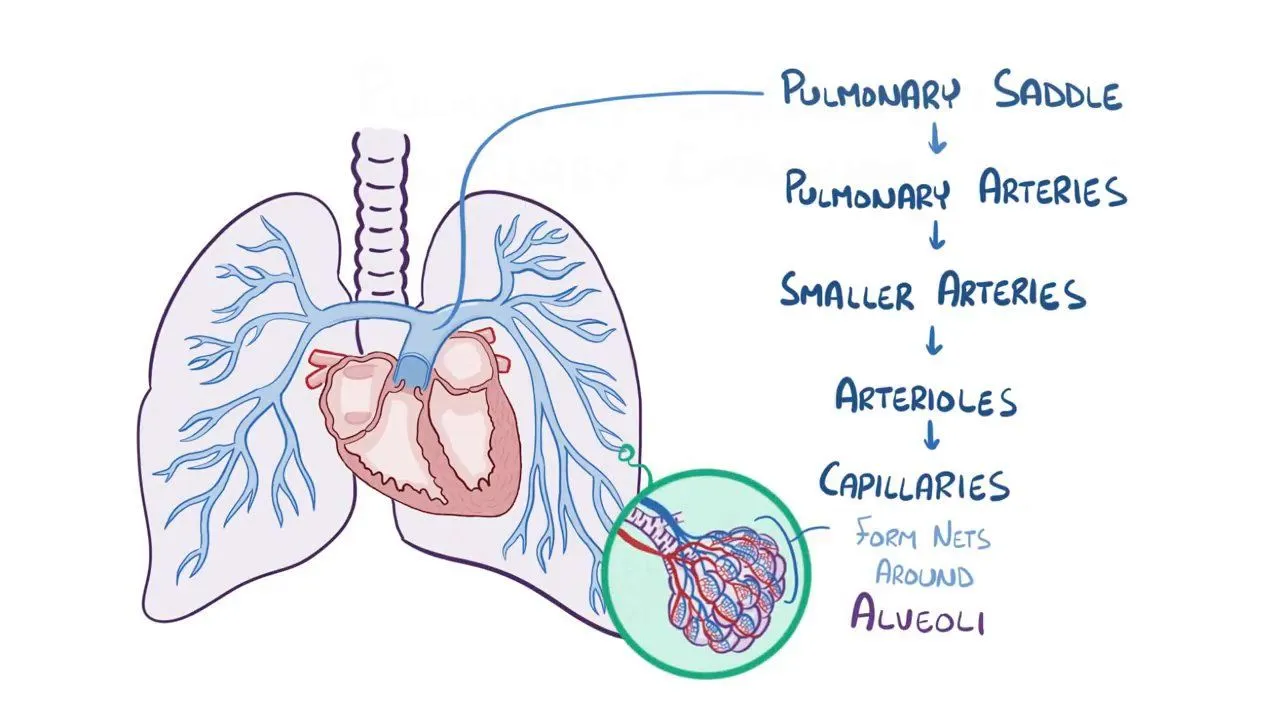
Pulmonary embolism (PE) is a critical health condition that occurs when a blood clot blocks a pulmonary artery in the lungs. It is considered a medical emergency because it can cause severe complications, including death, if not treated promptly. With recent statistics revealing it as a leading cause of cardiovascular mortality, public awareness and understanding of its causes, symptoms, and treatment options are increasingly pertinent.
What is Pulmonary Embolism?
Pulmonary embolism generally stems from deep vein thrombosis (DVT), where blood clots form in the deep veins, typically in the legs, and then travel to the lungs. Factors contributing to the development of DVT and consequently PE include prolonged immobility, surgery, certain medical conditions, and lifestyle factors such as smoking and obesity. It is crucial to recognize the signs of PE, which may include shortness of breath, chest pain, rapid heart rate, and coughing up blood.
Current Data and Research
According to a study published by the National Institutes of Health in 2023, approximately 100,000 to 180,000 individuals in the UK experience a pulmonary embolism each year, with the condition being underdiagnosed due to its often vague initial symptoms. New research is continuously emerging, enhancing our understanding of risk factors and preventive measures.
Treatment and Prevention
Immediate treatment for pulmonary embolism generally involves anticoagulants, which help prevent further clotting. In severe cases, thrombolytic therapy may be employed to dissolve the clot quickly. Recent developments are also exploring the effectiveness of newer anticoagulants, such as direct oral anticoagulants (DOACs), which may offer advantages over traditional therapies. Preventive measures are equally vital and include lifestyle modifications like engaging in regular physical activity, managing weight, and minimizing smoking.
Conclusion
Understanding pulmonary embolism is essential for early detection and prevention, potentially saving lives. The combination of awareness regarding the risk factors and prompt medical response can significantly alleviate the impacts of this condition. As research continues to evolve, it is imperative for individuals to stay informed and consult healthcare professionals if they experience symptoms related to pulmonary embolism. By fostering awareness, we can all work towards reducing the risks associated with this serious health condition.