Introduction
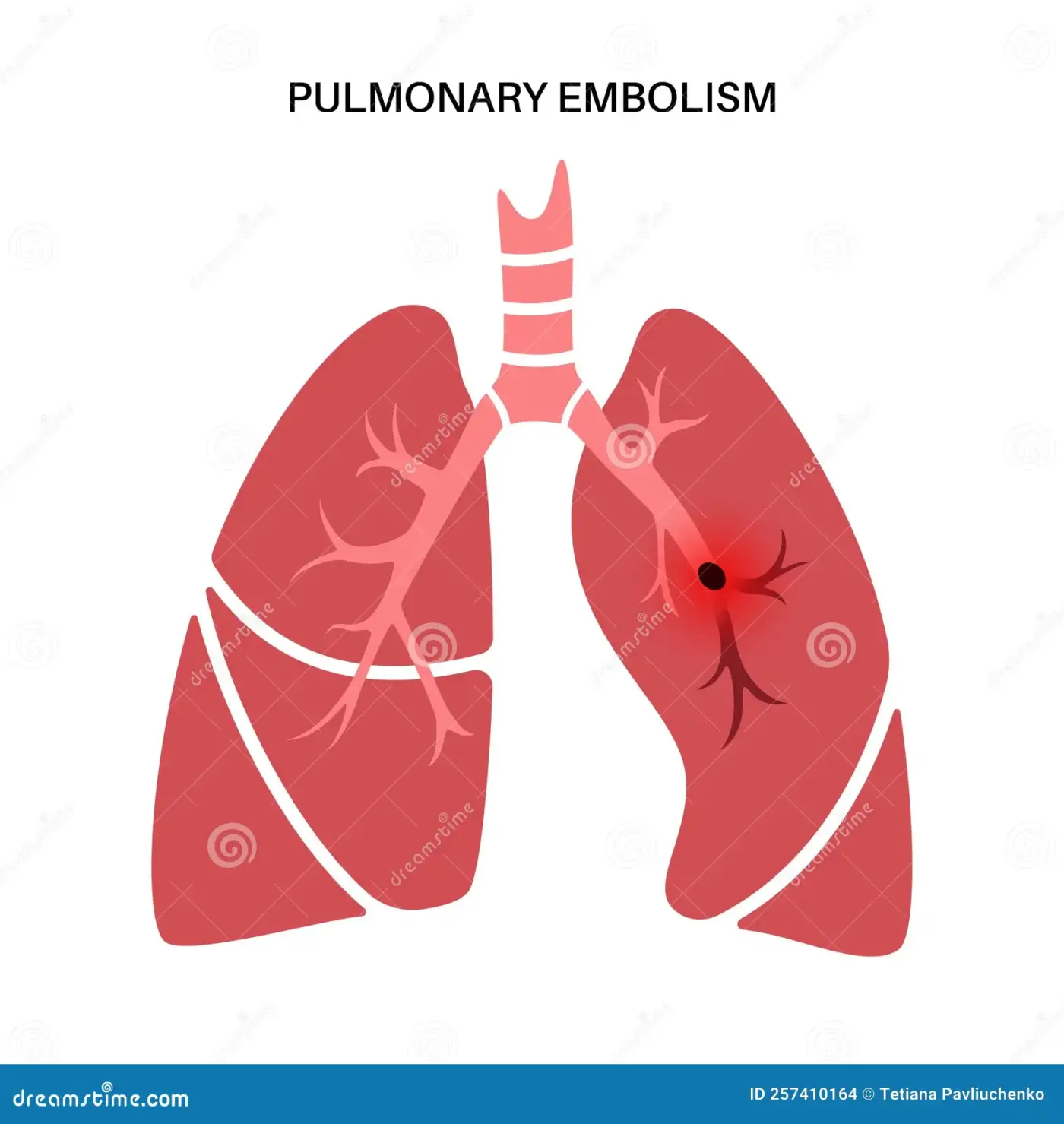
Pulmonary embolism (PE) is a serious medical condition that occurs when a blood clot blocks an artery in the lungs. It can lead to severe complications, including death, making awareness and prompt treatment critical. With an estimated 300,000 to 600,000 cases annually in the United States alone, understanding PE is vital for both healthcare professionals and the general public.
Symptoms and Causes
The symptoms of pulmonary embolism vary depending on the size of the clot and the overall health of the individual. Common symptoms include sudden shortness of breath, chest pain that may worsen with deep breathing, rapid heart rate, and coughing, which may sometimes produce blood. It’s essential to remember that some individuals may experience mild symptoms or none at all, complicating timely diagnosis.
PE most commonly originates from deep vein thrombosis (DVT), where blood clots develop in the deep veins of the legs and travel to the lungs. Risk factors for DVT and subsequently PE include prolonged inactivity, certain medical conditions, obesity, smoking, and factors associated with pregnancy and hormonal therapies.
Diagnosis
Diagnosis of pulmonary embolism typically involves imaging tests such as a CT pulmonary angiography (CTPA), ventilation-perfusion (V/Q) scans, and in some cases, ultrasound for detecting DVT. Initial assessment tools, including the Wells Score and D-dimer tests, help healthcare providers establish the likelihood of a PE diagnosis.
Treatment Options
Prompt treatment of pulmonary embolism is crucial and may include anticoagulants, which are blood thinners to prevent further clotting, and thrombolytics (clot busters) for more severe cases. In certain situations, a surgical procedure called embolectomy may be performed to remove the clot. Newer treatments, such as catheter-directed thrombolysis, are also being explored, offering less invasive options for patients.
Prevention and Conclusion
Preventing pulmonary embolism involves addressing risk factors through lifestyle changes, such as regular exercise, maintaining a healthy weight, and avoiding prolonged periods of immobility. In patients who are at high risk, prophylactic anticoagulants may be indicated.
Awareness of pneumonia embolism, its symptoms and risk factors play an integral role in reducing mortality rates associated with this often-preventable condition. With advancements in medical research and technology, the prospects for effective treatment and management of pulmonary embolism continue to improve, making it essential for patients and healthcare providers to remain vigilant in prevention and treatment practices.