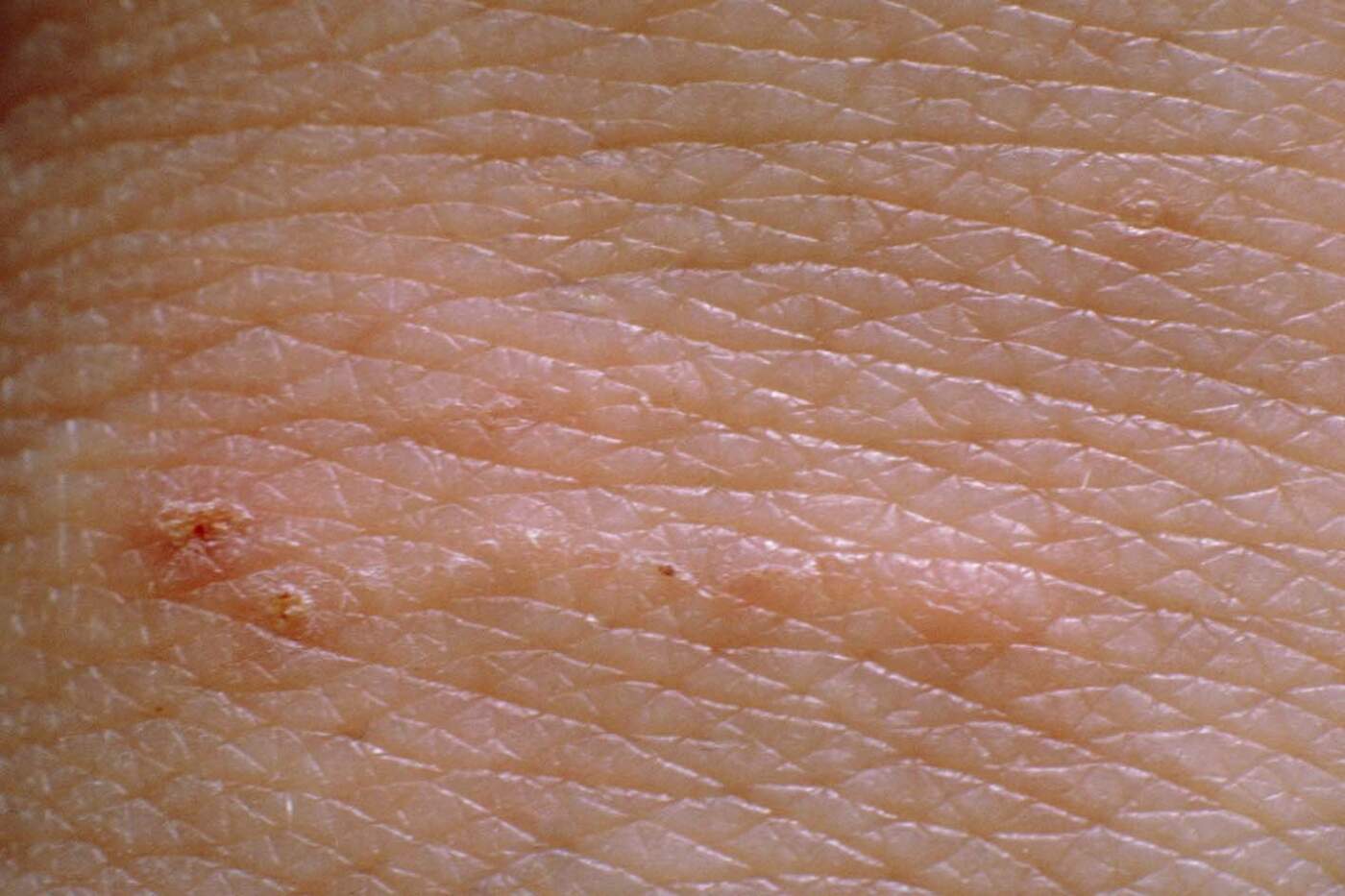
Introduction to Scabies in the UK
Scabies is a highly contagious skin condition caused by the infestation of the mite Sarcoptes scabiei. In recent years, there has been a noticeable rise in scabies cases reported in the UK, raising concerns among healthcare professionals and the public alike. Understanding the causes, symptoms, and preventive measures is crucial to combatting this public health issue.
Current Trends and Statistics
According to Public Health England (PHE), reported cases of scabies have surged by over 30% in the past year, marking the highest levels seen in over a decade. The increase has been particularly notable in urban areas and amongst certain vulnerable populations, including those in overcrowded housing or institutions such as care homes. The rise in cases has prompted experts to investigate the reasons behind this trend, including factors such as increased social awareness, changes in diagnostic criteria, and heightened accessibility to healthcare services.
Symptoms and Diagnosis
Scabies is characterised by intense itching, especially at night, accompanied by a rash that consists of small red bumps and burrows in the skin. The mites can be transmitted through close skin-to-skin contact, making outbreaks common in crowded environments. Diagnosis typically involves a physical examination and may require skin scrapings to confirm the presence of mites. Early diagnosis is vital to prevent the spread of infestation.
Preventive Measures and Treatment
Preventing scabies relies heavily on early identification and treatment. Individuals showing symptoms are advised to avoid close contact with others and seek medical attention promptly. Treatment usually includes prescription creams or lotions containing permethrin or other scabicides that effectively kill the mites. In cases of larger outbreaks, public health officials may implement community-wide treatment protocols to control the spread.
Conclusion and Significance for Readers
As the number of scabies cases continues to rise in the UK, it is imperative for the public to remain informed and vigilant. Increased awareness and education on how to recognise symptoms and seek timely treatment can significantly reduce the risk of outbreak. Prevention through hygiene practices and social distancing, particularly in crowded settings, is essential. As we move forward, continued research and public health campaigns will be crucial in combating scabies and ensuring a healthier future for all residents in the UK.