Introduction
Kurdistan, a region spanning parts of Turkey, Iraq, Iran, and Syria, is one of the most significant geopolitical areas in the Middle East. Its importance arises not only from its rich cultural heritage but also due to ongoing conflicts and political aspirations for autonomy among the Kurdish people. With a population of approximately 30 million Kurds, a better understanding of Kurdistan is crucial for grasping the complexities of Middle Eastern politics and ethnic relations.
Current Events and Issues
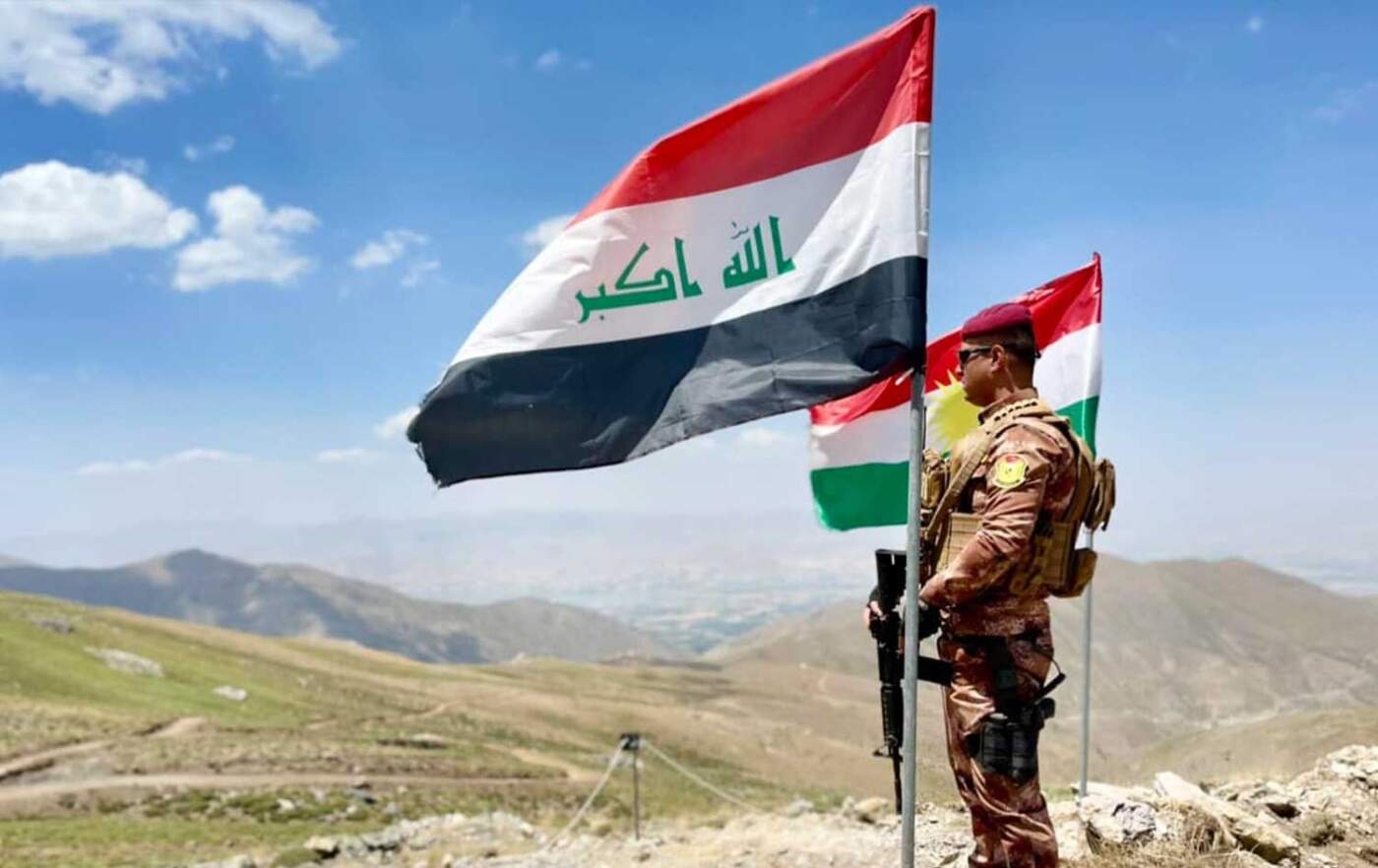
In recent years, the Kurdistan Region of Iraq has taken steps to solidify its autonomy, holding its own elections and establishing an independent government. The Kurdistan Regional Government (KRG) has been pivotal in the fight against the Islamic State (IS), enabling the Kurdish forces, known as Peshmerga, to claim control over multiple key areas previously held by IS.
However, the region faces numerous challenges. Tensions with the central Iraqi government remain high, particularly surrounding oil revenue sharing and the management of security forces. The KRG has expressed desires for independence, especially following the 2017 referendum where approximately 93% of voters supported secession from Iraq. However, this bid for independence was met with military backlash from Baghdad, complicating aspirations once again.
Cultural Aspects
The Kurdish culture is rich and diverse, marked by its unique language, traditions, and celebrations. The Kurds have a distinct identity, often highlighted through cultural expressions such as music, dance, and literature. New generations of Kurdish artists and filmmakers are utilizing modern platforms to showcase their culture, helping raise awareness of their struggles and heritage on a global stage.
The Global Perspective
Internationally, Kurdistan has garnered mixed responses. While some nations express support for Kurdish independence or autonomy, others hesitate due to regional stability concerns. The Kurdish population is also significantly involved in the diaspora in Europe and the Americas, advocating for their rights and the recognition of their culture.
Conclusion
The future of Kurdistan remains uncertain amid a backdrop of internal and external challenges. As the Kurdish people continue to pursue their aspirations for greater autonomy and recognition, understanding this region’s complexities will be crucial for global citizens. The ongoing dialogues surrounding independence and sovereignty will undoubtedly shape not only the future of the Kurdish people but also the geopolitical landscape of the Middle East.