Introduction
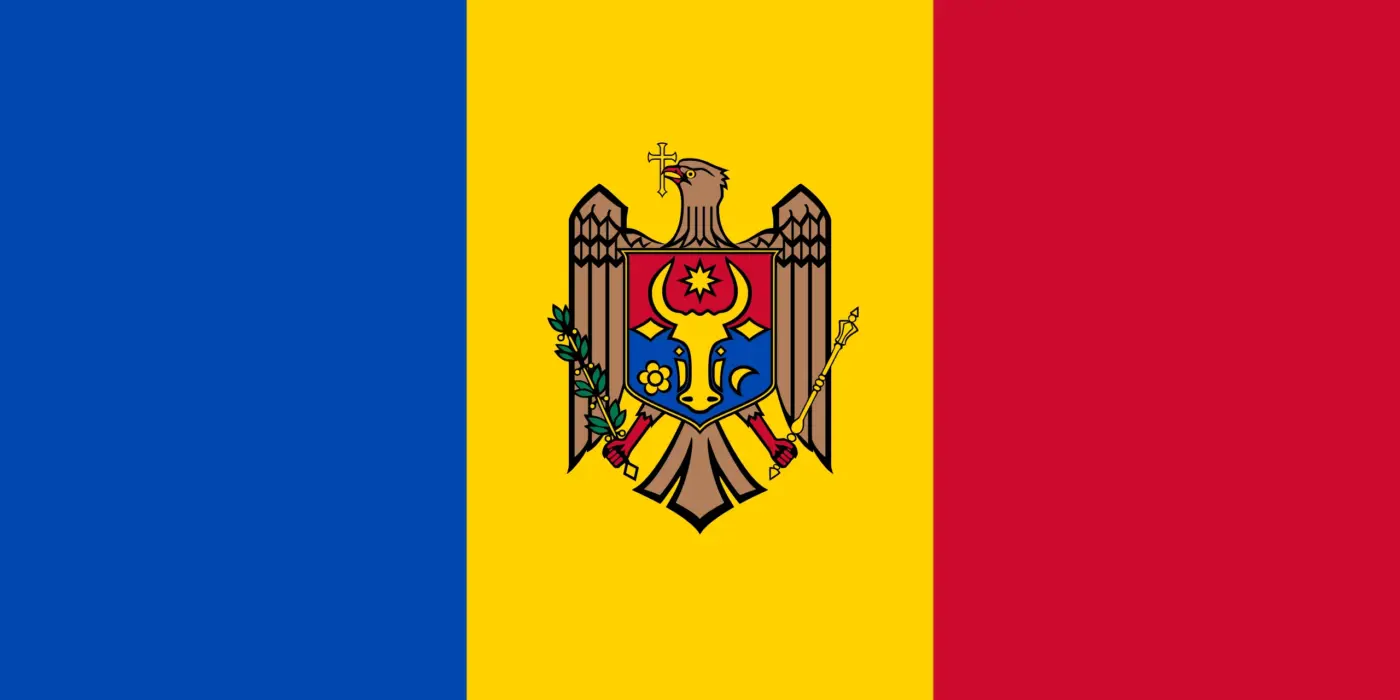
Moldova, a small landlocked country in Eastern Europe, has gained significant attention due to its strategic location between Romania and Ukraine. This recent interest stems from the ongoing political and economic challenges the country faces, alongside its aspirations for European integration. Understanding Moldova’s current landscape is crucial, especially in the context of heightened regional tensions due to the ongoing conflict in Ukraine and its implications on security and governance.
Political Developments
In recent months, Moldova has been navigating complex political terrain. The pro-European government led by President Maia Sandu and the Action and Solidarity Party has committed to reforming the judiciary and public sector while seeking closer ties with the European Union. In October 2023, Moldova signed a Memorandum of Understanding with the EU, aimed at enhancing cooperation in various sectors, including energy security and governance reforms.
Meanwhile, Moldova’s internal politics faces challenges, notably from the opposition Socialist Party, which has accused the government of inadequate economic management and increased living costs. Protests have occasionally erupted, reflecting public dissatisfaction with the slower pace of reforms and rising inflation.
Economic Landscape
The economic situation in Moldova remains precarious, heavily influenced by external factors, particularly the war in Ukraine. In 2023, Moldova’s GDP growth was expected to slow due to disrupted trade routes and a surge in energy prices, impacting households and businesses alike. With dependence on Russian energy sources, Moldova is striving for energy diversification, working towards establishing renewable energy capabilities and exploring alternative suppliers.
Societal Challenges
Amidst political and economic challenges, societal issues have also come to the forefront. Moldova faces a demographic crisis as many residents, especially the youth, migrate for better job opportunities abroad. This exodus threatens the country’s labour market and social structure, which are already under strain due to low living standards and limited job prospects.
Conclusion
Moldova stands at a critical juncture, where the decisions made today will significantly impact its future trajectory. The government’s commitment to reforms and European integration needs to be matched with effective responses to the economic challenges and sociopolitical instability. For international observers and stakeholders, Moldova’s path forward serves as an important barometer for the influence of external factors in Eastern Europe. If successful, it could emerge as a stabilising force in the region, fostering stronger ties with the EU and mitigating external pressures.