Introduction
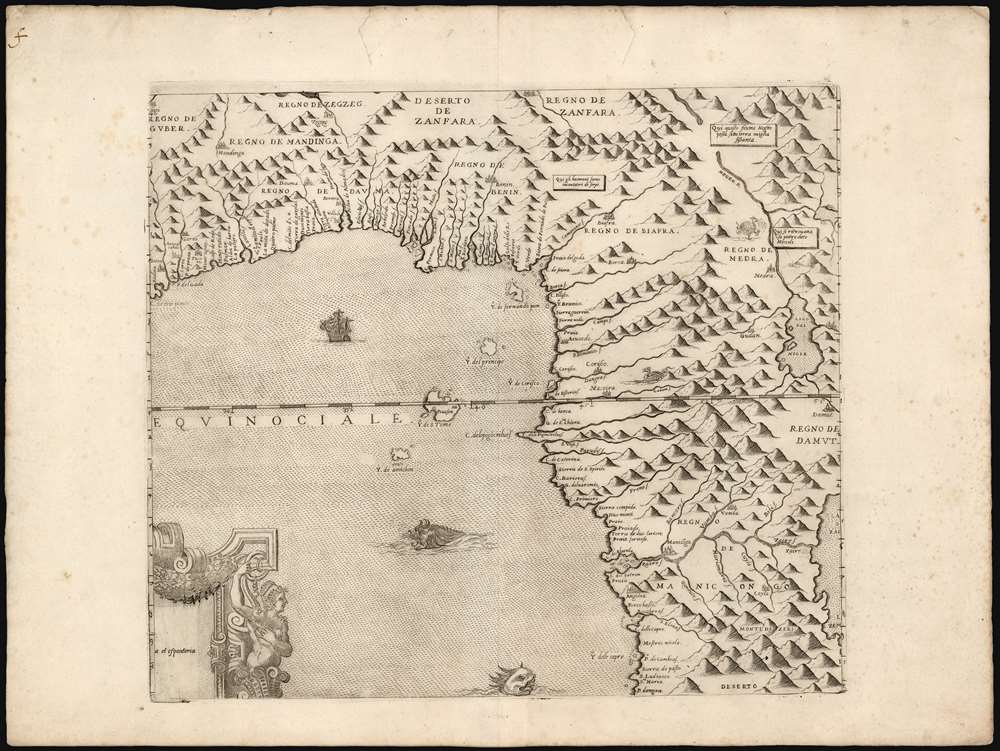
Guinea, a nation located on the west coast of Africa, has recently made headlines due to significant political changes and social issues. As the country continues to navigate its post-coup landscape, understanding the developments within Guinea is crucial not just for its citizens but for international observers as well. With a rich history and myriad challenges, the situation in Guinea exemplifies the complexities faced by many nations in transition.
Political Landscape
In September 2021, Guinea experienced a military coup that deposed President Alpha Condé, who had sought to extend his presidency through controversial constitutional changes.
The coup was led by Colonel Mamady Doumbouya, who has since promised a return to civilian rule; however, challenges persist as the transitional government faces pressure to establish a timeline for elections. In early October 2023, Doumbouya announced reforms aimed at addressing corruption and governance issues. The National Transitional Council has been tasked with drafting a new constitution, but the timeline for elections remains vague, stirring uncertainty among the populace and the international community.
Social Challenges
Socioeconomic challenges continue to plague Guinea as well. The economy has been heavily impacted by fluctuating global commodity prices, particularly for bauxite, which is Guinea’s main export. Inflation and unemployment remain high, exacerbated by the global pandemic’s lingering effects. Moreover, civil unrest has been a recurrent theme as citizens demand accountability and better living conditions. Protests have erupted over rising prices and inadequate public services, leading to a turbulent social environment.
International Relations
The international response to Guinea’s political situation has been mixed. The Economic Community of West African States (ECOWAS) has imposed sanctions against the ruling military junta, demanding a prompt transition to democratic governance. Meanwhile, countries such as France and the United States have expressed concern regarding human rights violations by the military. These international dynamics place additional pressure on the Guinean government to act responsibly and remain accountable to its citizens.
Conclusion
The situation in Guinea is a complex tapestry of political tension, social challenges, and international interest. As the transitional government navigates its promises for reform and elections, it faces significant hurdles concerning public trust and the need for genuine improvements in the daily lives of its people. The next steps taken by the authorities will be critical, not only for the future of Guinea but also for its regional stability. Observers will be watching closely to see if Guinea can successfully transition back to a democratic framework while addressing the pressing needs of its society.