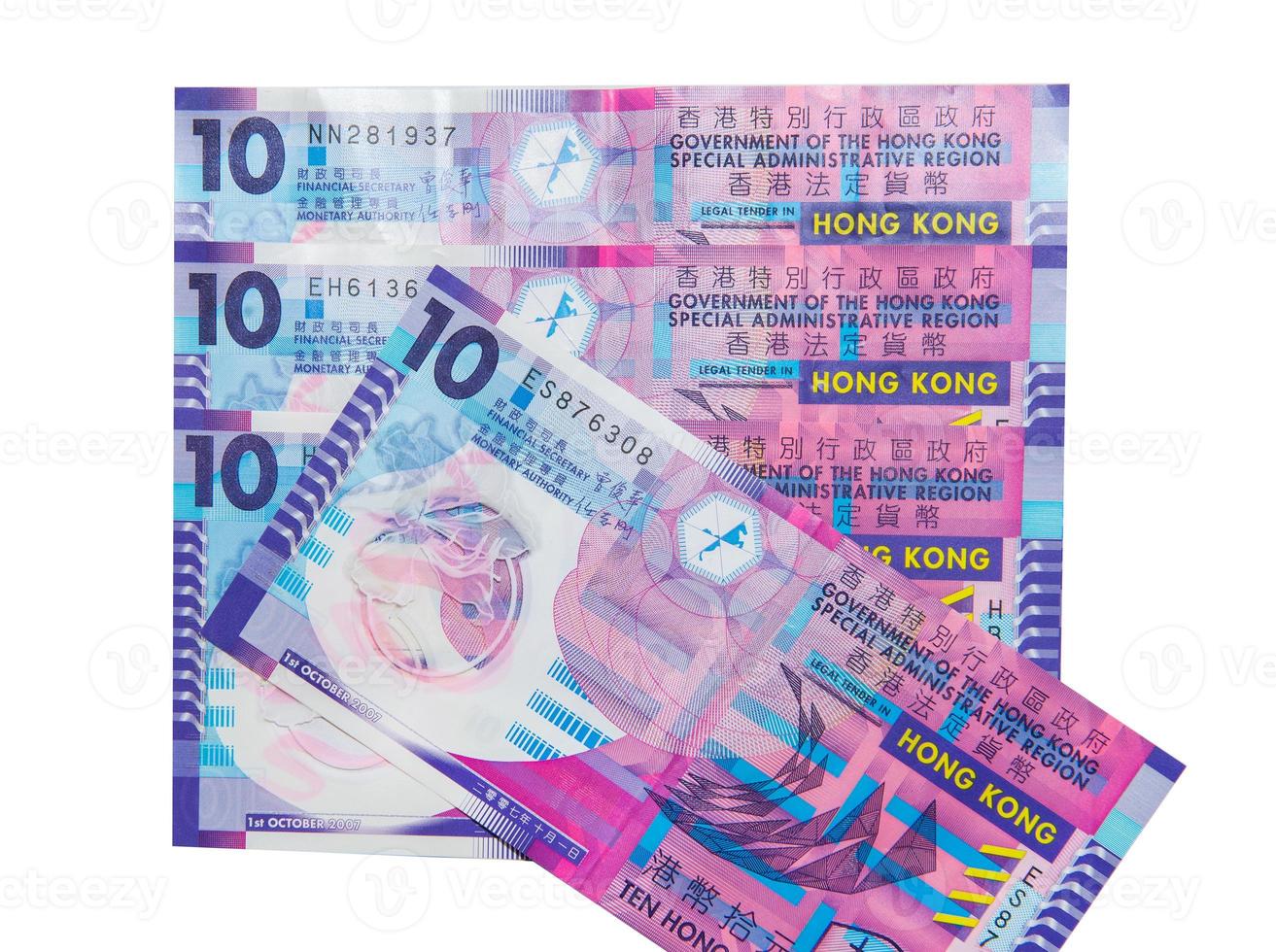
Introduction to the Hong Kong Dollar
The Hong Kong Dollar (HKD) is not only a vital element of Hong Kong’s economy but also an important currency in the Asia-Pacific region. Established in 1842, the HKD has witnessed significant changes throughout its history, particularly in the context of global economic shifts, international trade, and monetary policy. In a world increasingly influenced by geopolitical tensions and fluctuating markets, understanding the stability and function of the Hong Kong Dollar is essential for investors, businesses, and those with an interest in financial markets.
Current Status and Outlook
Recently, the Hong Kong Monetary Authority (HKMA) reported that the HKD has remained relatively stable in the face of global market fluctuations, primarily due to the currency peg to the US Dollar (USD) as well as prudent fiscal management by local authorities. As of October 2023, the exchange rate remains tightly bound within the HKD 7.75 to 7.85 range per USD, ensuring predictability for businesses and traders that rely on the currency.
However, challenges remain. The increasing interest rates in the United States could apply upward pressure on the HKD against other global currencies, leading to complexities in trade and investment patterns. Additionally, the ongoing geopolitical tensions in the region continue to create uncertainties that could impact economic growth in Hong Kong, affecting the HKD’s value.
Recent Developments
In recent months, the Hong Kong government has emphasized the importance of technological innovation and financial services, which could enhance the demand for HKD transactions. Initiatives like the enhancement of the fintech sector and the push for green finance are steps towards future-proofing the currency and the economy as a whole.
Furthermore, the HKMA has introduced measures to strengthen liquidity in the market to ensure that the HKD remains resilient in the face of external shocks. The adoption of a more flexible approach in managing monetary policy could also be an important move as Hong Kong navigates through global uncertainties.
Conclusion
In conclusion, the Hong Kong Dollar remains a critical component of Hong Kong’s economic landscape. Its pegged nature to the US Dollar provides a sense of stability, especially in periods of market volatility. However, external factors like interest rates and geopolitical events will continue to pose risks to its valuation. For investors and businesses, understanding the dynamics of the HKD is essential for navigating the complexities of both local and global markets. With prudent management and strategic innovations, the future of the Hong Kong Dollar remains vital and promising.