Introduction
Referees play a crucial role in the realm of sports, serving as the impartial decision-makers who uphold the rules and ensure fair play. With recent controversies gaining media attention, the importance of referees has never been more pronounced. As the popularity of sports continues to soar, understanding the responsibilities and challenges faced by referees is essential for players, fans, and aspiring officials alike.
The Duties of a Referee
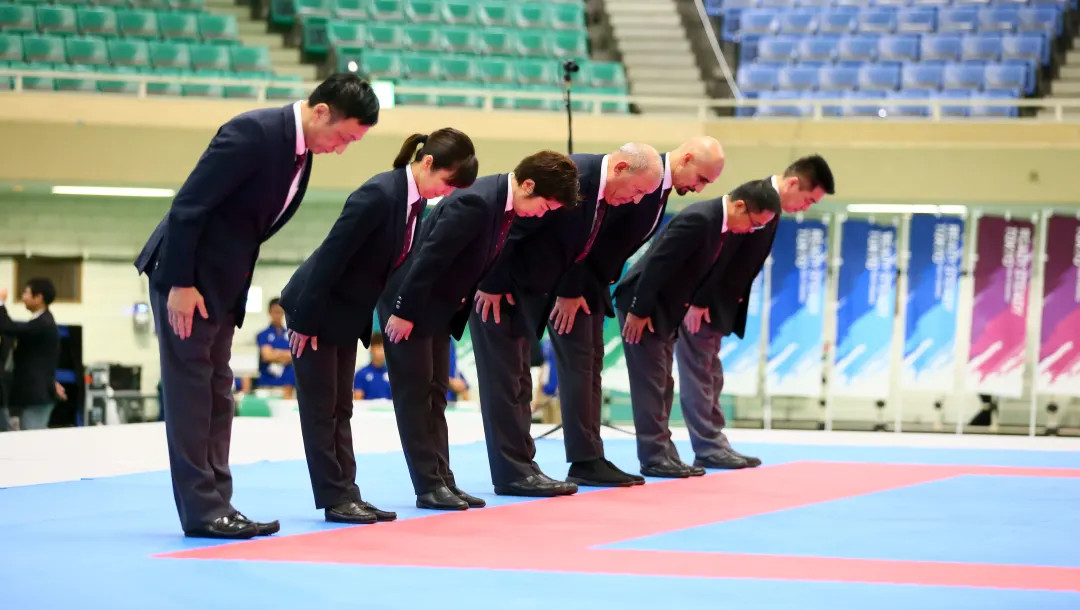
At the core of a referee’s responsibilities is the enforcement of the game’s rules designed to ensure safety and fairness. Referees are responsible for making quick decisions, managing the flow of the game, and often, maintaining order on the field or court. They collaborate closely with other officials, such as assistant referees in soccer or umpires in cricket, to ensure a unified approach to officiating. Additionally, technology has become an integral part of modern officiating, with systems like VAR (Video Assistant Referee) being implemented to assist in crucial decision-making processes.
Current Issues Faced by Referees
Despite their pivotal role, referees often face criticism from spectators, players, and coaching staff. Recent statistics indicate that incidents of referee abuse have increased, reflective of a growing level of tension in competitive sports. According to a study by the National Officials Association released in September 2023, 57% of officials reported experiencing verbal abuse during games, prompting discussions around better protection for referees and measures to address hostility within sports environments.
Positive Developments in Officiating
In response to the challenges faced, many sporting organisations are taking proactive steps to support referees. Training programs are increasingly focusing on mental resilience and conflict management, while initiatives promoting respect for officials have gained traction at grassroots levels. For instance, the English Football Association (FA) has launched campaigns highlighting the importance of respecting referees, aiming to foster a more positive atmosphere for these essential participants in sports.
Conclusion
The role of referees is fundamental in maintaining the integrity and enjoyment of sports. As the dynamics of competitive play evolve, so too must the systems that support and protect officials. With ongoing efforts to improve the working conditions for referees and enhance respect within sporting circles, the future looks promising. By understanding and valuing the work of referees, we not only ensure fair play but also contribute to a more enjoyable sporting experience for all involved.