Introduction
The issue of pension compensation for WASPI (Women Against State Pension Inequality) women has become a significant topic of discussion in the UK. This group consists of women born in the 1950s who have been adversely affected by changes to the state pension age. As these women advocate for fair compensation and recognition of their situation, the topic holds great relevance particularly for those affected and the general public interested in social justice and economic equality.
The Background
Pension age reforms were introduced by the UK government starting in 2011, which increased the state pension age from 60 to 66 for women born in the 1950s. This gradual change was aimed at addressing the increasing life expectancy and, ostensibly, the sustainability of the pension system. However, many women were not adequately informed about these changes leading to significant financial hardship as they approached retirement age without adequate preparation.
The Compensation Demand
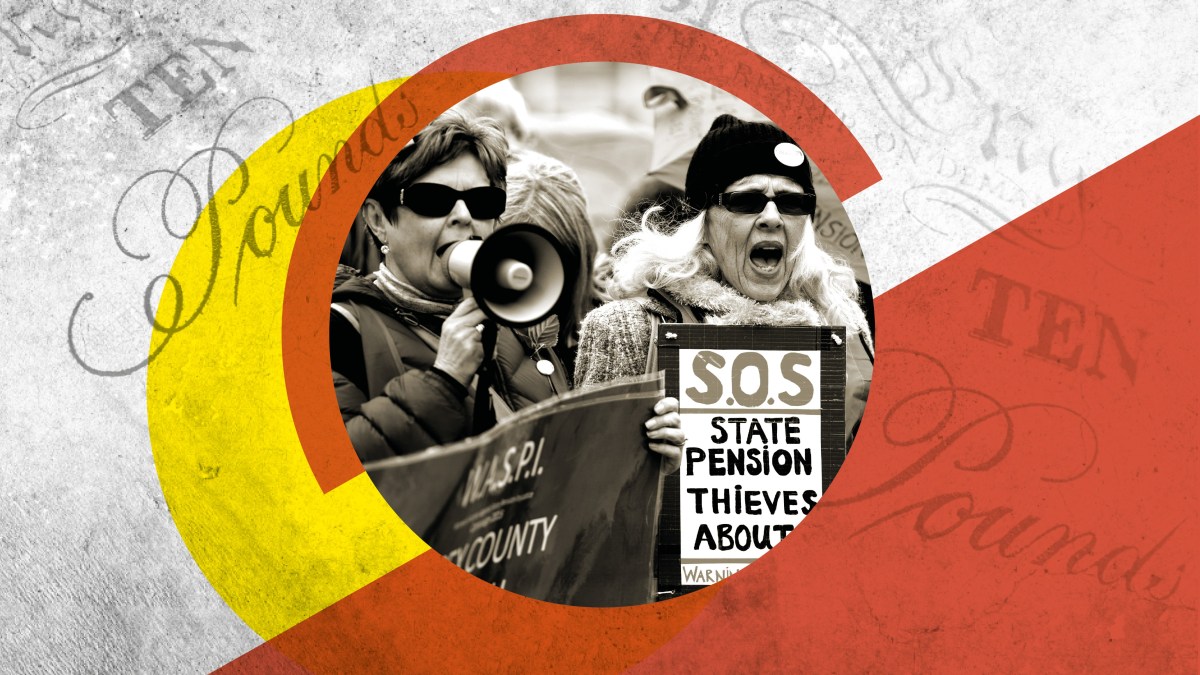
WASPI women have sought compensation for the lack of notice and the unfair implementation of these pension age changes. They argue that many women were made to plan their retirement based on the old pension age and faced unexpected financial difficulties when the changes were introduced. Campaign efforts have included petitions, public demonstrations, and discussions with MPs, all designed to highlight their plight and push for a fair resolution.
Recent Developments
Recently, there have been discussions in Parliament regarding potential compensation packages for affected women. While much of this has yet to lead to concrete outcomes, the momentum has led to increased awareness and dialogue surrounding the issue. Various MPs have shown support for the plight of WASPI women, suggesting that government action may become more feasible in the near future. Additionally, highlights of growing media attention indicate that public support is gaining traction, potentially complicating political stances on the matter.
Conclusion
The fight for pension compensation by WASPI women underscores broader issues of gender equality and inter-generational fairness within the UK’s welfare system. With ongoing discussions and potential changes on the horizon, the fate of WASPI women hangs in the balance, prompting hope for a realistic resolution that aligns with the principles of fairness and justice. For those directly impacted, monitoring the progression of this issue could provide insights and opportunities for advocacy, whilst highlighting the importance of transparent communication from government entities regarding pensions.